

For decades, prestige scripted dramas held the crown of primetime television. Today, media consumption has undergone a fundamental shift.
Also see: BALA FAMILY DRAMA HEATS UP
From multi-cast reality franchises to localised ensemble docuseries, unscripted TV is commanding massive global viewership, while traditional scripted ratings face ongoing fragmentation.
This migration isn’t accidental; it is driven by psychological shifts, economic restructuring, and the rise of interactive digital fan cultures.
The psychology of ‘relatable voyeurism’ and social comparison
A foundational study on audience motivation by Professors Steven Reiss and James Wiltz (Ohio State University) revealed that reality television appeals strongly to basic human desires, specifically social contact, status, and vindication.

Psychological research indicates that viewers engage with ensemble reality cast dynamics to evaluate their own lives through both upward and downward social comparison. Observing interpersonal friction, conflict resolution, or professional ambition among a group allows audiences to process real-life social dynamics safely.
Furthermore, media scholar Annette Hill (Lund University) notes in Restaging Reality that audiences engage with reality TV through a critical, reflexive lens. Viewers are fully aware of production editing, yet they crave the unpredictable, unscripted emotional reactions of real people over engineered script lines.
Lower cognitive load and ‘second-screen’ viewing
Modern audience engagement habits have evolved alongside smartphones and multitasking. Dr Chivonna Childs highlights that unscripted ensemble series offer an immediate mental escape without the heavy narrative investment required by complex, multi-season scripted dramas.
Research into modern media consumption shows that ensemble reality allows viewers to dip in and out of episodes while engaging on social media. High-concept scripted series often demand undivided focus, whereas ensemble reality thrives in an ecosystem where viewers digest content alongside second-screen interaction.
Also see: ‘MARRIED AT FIRST SIGHT MZANSI’ FANS DIVIDED OVER LUNCHBOX DRAMA
Participatory fan culture and social media ecosystems
Ensemble reality no longer stops when the credits roll. The narrative extends onto social media platforms in real time. Media theorist Henry Jenkins highlights how digital convergence has transformed audiences from passive consumers into active contributors.
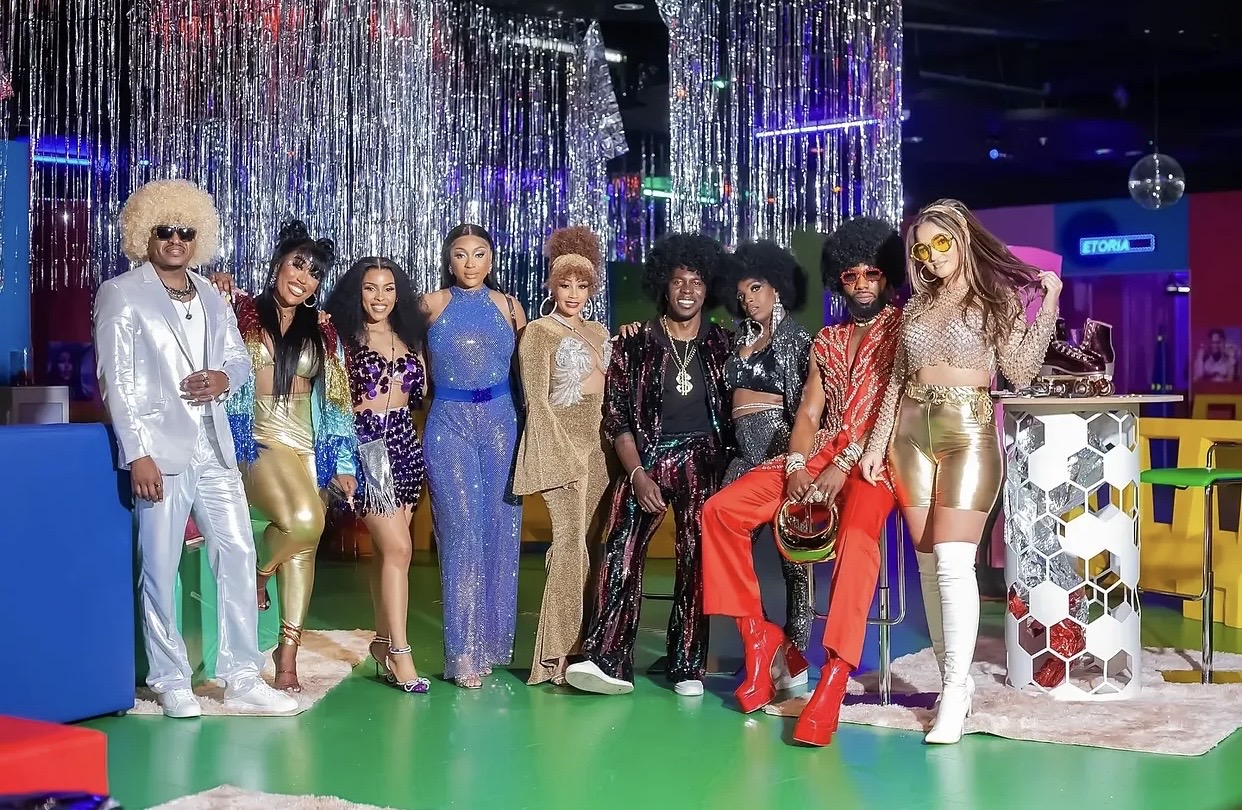
Viewers form online communities, debating cast member alliances, moral dilemmas, and unedited behaviour. This real-time community engagement makes watching unscripted TV an interactive social event, whereas scripted narratives remain strictly bound to written plotlines.
Industry economics and production speed
From a broadcast and streaming perspective, the shift is strongly supported by media economics. Research shows that producing ensemble unscripted series costs a fraction of high-end scripted programming, which requires extensive screenwriting teams, long production schedules, and high talent fees.
Unscripted series can be shot, edited, and aired quickly to respond to real-time cultural trends, offering networks and streaming services high audience retention alongside agile scheduling.
Also see: MUSA MSELEKU AND THOBILE MAKHUMALO’S RELATIONSHIP DRAMA KEEPS FANS TALKING IN ‘UTHANDO NESTHEMBU’
Be the first to know – Join our WhatsApp channel for content worth tapping into. Click here to join!