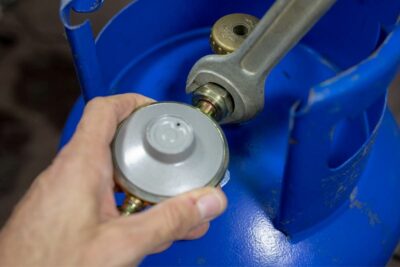
How do you know whether the gas cylinder you’ve just bought is safe to use?
It’s a question many South Africans are asking following recent reports highlighting the dangers of illegal gas cylinder refilling.
Simple safety checks
While buying from a reputable supplier remains the best place to start, there are also several simple checks homeowners can make before connecting a cylinder:
Also see: Montague chemical incident: Four treated for toxic gas inhalation
- Examine the seal: Every cylinder should be sealed with a plastic wrap featuring the gas supplier’s official branding and a serial number verifying where it was filled.
- Check the last recertification date: This information is found on the neck ring.
- Look for dents: A cylinder shouldn’t have any visible damage, as dents may compromise its integrity.
- Inspect the foot ring: A dented foot ring would not pass a legitimate LPG supplier’s safety standards, as it could indicate structural weakness.
- Assess the physical condition: Be wary of signs of corrosion, burns, bulges or any illegal repairs or modifications. These could suggest exposure to unsafe conditions or inadequate maintenance.
- Perform a leak test: Apply soapy water around the valve and connections. If bubbles form, there is a gas leak, and the cylinder should not be used.
Once the cylinder has been checked, however, the job isn’t over.
“We’re seeing more homeowners using gas for cooking, heating and hot water, which makes routine maintenance more important than ever,” says Orlando Luis, CEO of Brights Hardware. “Spending just a few minutes checking your regulator, hose and appliances before use can go a long way towards preventing problems before they happen.”
Also see: Winter safety: How to safely use gas heaters
Top tips for gas safety beyond the cylinder
Inspect hoses, regulators and seals regularly
Gas hoses, regulators and rubber seals naturally wear over time. Exposure to sunlight, heat and regular use can cause hoses to crack and seals to become brittle, increasing the risk of leaks.
“Don’t wait until something fails,” advises Luis. “In many cases it’s the hose, regulator or seal that deteriorates long before the cylinder itself. Replacing worn components before they fail is one of the simplest ways to improve gas safety.”
Store cylinders safely
Many homeowners keep spare gas cylinders in garages, garden sheds or other outdoor storage areas until they’re needed.
“Wherever you choose to store a cylinder, it should always remain upright in a well-ventilated area, away from excessive heat, naked flames and combustible materials,” says Luis. “Before storing it, make sure the cylinder valve is fully closed and the protective cap, where fitted, is in place. It’s also worth checking stored cylinders from time to time to ensure they remain in good condition.”
Make sure you’re using the correct fittings
Not all gas appliances use the same regulators, hoses or fittings. Using incompatible or makeshift components can affect both safety and performance.
“Always use the fittings recommended for your appliance and replace damaged or worn parts with approved alternatives,” says Luis. “Whether your gas cylinder is connected to a portable heater, a braai, a gas hob or a gas geyser, the same principles apply. Correct fittings and regular inspections are essential.”
Know the warning signs
A strong smell of gas, hissing sounds, yellow or orange flames instead of clean blue flames, soot around burners or a noticeable drop in appliance performance can all indicate that something isn’t right.
“A healthy gas flame should generally burn blue,” explains Luis. “If you notice persistent yellow or orange flames, unusual smells or excessive soot, stop using the appliance until it’s been inspected. These are often early warning signs that something isn’t operating as it should.”
Don’t forget permanently installed appliances
Gas safety doesn’t stop with portable heaters and braais. Homes with gas geysers, built-in hobs or other permanently installed gas appliances should also have their visible pipework, regulators and connections checked periodically.
These appliances should also be serviced in accordance with the manufacturer’s recommendations to ensure they continue operating safely and efficiently.
Give seasonal appliances a safety check
Portable gas heaters and braais often spend months in storage before being used again.
Before reconnecting them, inspect the hose, regulator, seals and connections, clean the appliance and make sure everything is working properly before lighting it.
“It’s easy to forget about gas equipment that only comes out on occasion, but these appliances deserve the same level of attention as any other part of the home,” says Luis. “A quick inspection before first use can identify worn parts before they become a problem and help ensure your equipment operates safely throughout the colder months.”
“Safety starts at the point of purchase,” concludes Luis.”Always buy your gas cylinders, appliances and accessories from reputable retailers or authorised distributors. If you’re ever unsure, ask questions, check the supplier’s credentials and don’t be afraid to inspect a cylinder before accepting it.”
Also see: How to clean and maintain a gas stove
Be the first to know – Join our WhatsApp channel for content worth tapping into. Click here to join!