A World Cup celebration can start as a meme, become a search trend, or even end up as a learning journey.
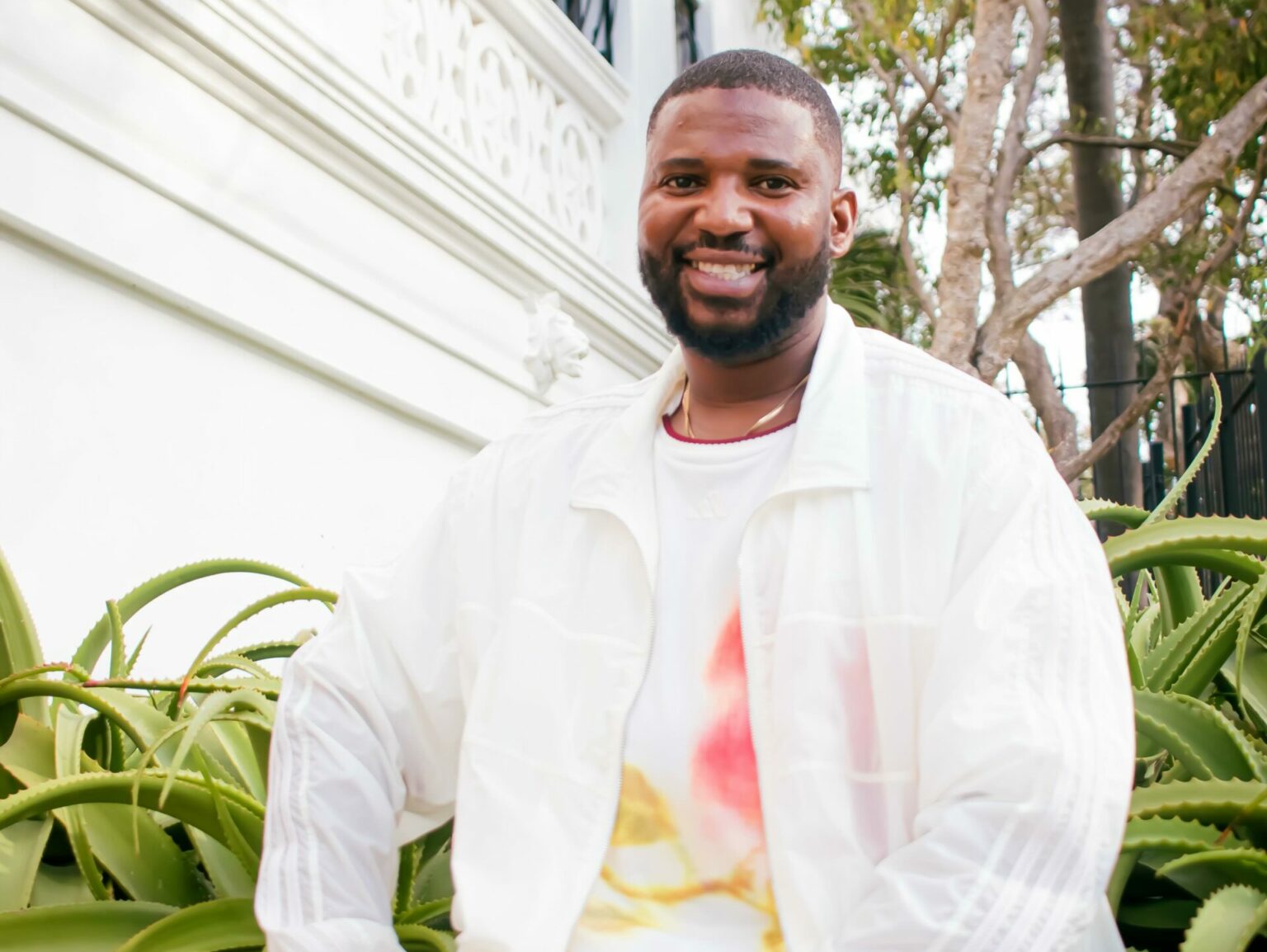
Siya Madikane, Communications & Public Affairs Manager, South Africa, states that this is what appears to be happening around the “Viking Row”, Norway’s viral 2026 FIFA World Cup celebration. According to Google Trends data for the week of 13 July 2026, South Africans only began searching for the Viking Row after Norway’s match against Senegal.
But after Norway’s game against Brazil, local searches jumped by 140%. Globally, searches for the term reached an all-time high, while during the Brazil game the Viking Row was searched 740% more than during Norway’s first group match against Iraq.

Also see: Watch: Cristiano Ronaldo suffers World Cup heartbreak as Portugal crashes out
1) Viral moments are becoming learning triggers
What makes the trend interesting is not only the size of the spike, but what happened next. South Africans did not simply search the celebration, laugh at the clip, and move on. Looking deeper into the data, related searches has shown people digging into the meaning behind it, with questions such as “what is the viking row in football meaning”, “what do norway say during the viking row”, “are vikings from norway”, “which language is spoken in norway” and “norway culture”.
In other words, a football moment became a gateway into history, language, culture, and more.
2) Fans want context, not just highlights
The same behaviour can be seen in other World Cup-related search patterns. Breakout reaction searches such as “maguire tuchel facetime reaction”, growing interest in interviews before and after games, and rising searches for “no spoilers” all point to audiences wanting more control over how and when they engage with sport, social media and live events.
This tells us that people are not only looking for the score or a trending clip; they want the background, the reaction, the meaning and the conversations around it.
Also see: 2026 FIFA World Cup: France and Spain get ready for place in the final
3) Search is becoming a starting point for deeper study
This reflects a move into what Google describes as the Agentic Learning Era, where curiosity can quickly become structured learning. Search has long helped people ask questions ‘in the moment’, but AI tools are now helping them go further.
A trend can become a lesson, while a lesson can become a study plan. And we’re starting to see more often that a study plan can support real skills development.
4) AI tools can turn curiosity into growth
Tools such as NotebookLM, Guided Learning and Gemini Study Protocols are designed for this kind of shift. Someone who starts with “what is the Viking Row?” can use AI to summarise cultural background, compare sources, build a study guide on Scandinavian history, or connect the moment to language, sport, media and identity.
For South Africans, the lesson from the World Cup is clear: curiosity is becoming more active, more contextual and more personal. The search box may still be the starting point, but increasingly, AI is helping turn a passing question into deeper knowledge and practical growth.
Also see: Bafana Bafana’s Top 5 2026 FIFA World Cup performers
Be the first to know – Join our WhatsApp channel for content worth tapping into. Click here to join!