
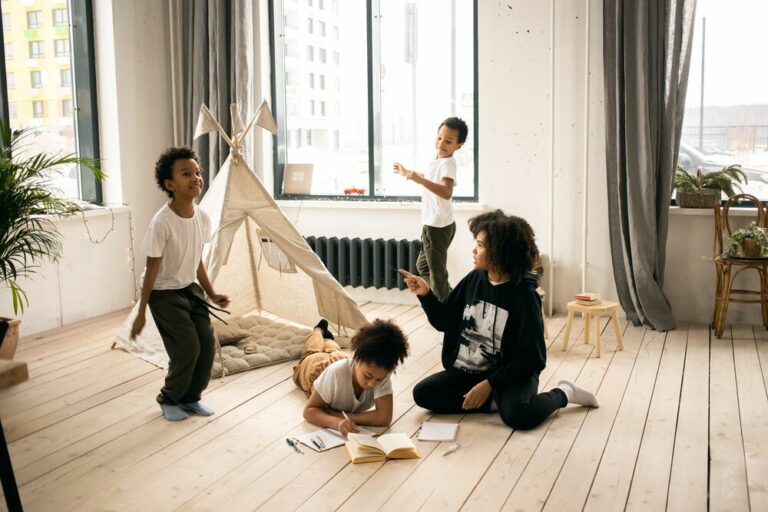
Home is more than just a place to sleep—it’s where we relax, recharge and spend quality time with the people we love. The way your home looks and feels can have a significant impact on your mood, stress levels and overall well-being. The good news is that creating a happier home doesn’t have to involve expensive renovations or a complete makeover.
Also see: Ways to prioritise your happiness
Here are practical ways to create a living space that supports comfort, positivity and peace of mind.
Let in natural light
Natural light can instantly make a room feel brighter, more spacious and welcoming. It has also been linked to improved mood and better sleep.
According to the National Institutes of Health (NIH), exposure to natural daylight helps regulate the body’s internal clock, which supports healthy sleep patterns and emotional well-being.
Open your curtains during the day, position furniture to maximise sunlight and use mirrors to reflect light into darker areas.
Declutter your space
A cluttered home can often contribute to feelings of stress and overwhelm.
Research published by the American Psychological Association (APA) suggests that organised environments can help reduce stress and improve focus.
Start with one room or even one drawer at a time. Donate items you no longer use and invest in simple storage solutions to keep your home tidy.
Add plants and greenery
Houseplants do more than beautify a room—they can also help create a calming atmosphere.
According to the Royal Horticultural Society (RHS), indoor plants can improve people’s sense of well-being by creating relaxing environments and strengthening our connection with nature.
Easy-to-care-for options include snake plants, pothos and peace lilies.
Use colours that make you feel good
Colour has a powerful influence on mood.
Soft neutrals create a calming atmosphere, while warm earth tones make spaces feel cosy. Shades of blue and green are often associated with relaxation, while yellow can add warmth and energy when used thoughtfully.
The Pantone Color Institute notes that colour choices can influence emotions and shape how people experience a space.
Create comfortable gathering spaces
A happy home encourages connection.
Arrange your furniture to make conversation easy, add comfortable seating and create spaces where family members or friends naturally want to spend time together.
Whether it’s around the dining table or in the living room, shared spaces help strengthen relationships and encourage meaningful conversations.
Also see: Why feeling younger than your age could boost your health and happiness
Personalise your home
Fill your home with items that bring you joy and reflect your personality.
Family photographs, travel souvenirs, artwork and meaningful keepsakes can make a house feel uniquely yours while reminding you of positive memories.
According to Psychology Today, surrounding yourself with meaningful objects can contribute to feelings of comfort, identity and emotional well-being.
Make time for comforting routines
Sometimes happiness at home comes from what you do rather than what you own.
Light a scented candle, play your favourite music, enjoy a cup of tea in a quiet corner or spend time reading before bed. Small daily rituals can help create a sense of peace and stability.
The Greater Good Science Centre at the University of California, Berkeley, suggests that positive routines and moments of gratitude can contribute to greater life satisfaction.
Keep your home clean and fresh
Regular cleaning not only improves hygiene but can also have a positive effect on your mood.
Fresh bedding, clean surfaces and pleasant scents can make your home feel more inviting and comfortable.
Simple habits like opening windows for fresh air and maintaining a regular cleaning schedule can make a noticeable difference.
Happiness begins at home
Creating a home that promotes happiness doesn’t require a large budget. By focusing on natural light, organisation, meaningful décor, comfortable spaces and simple daily routines, you can create an environment that supports your mental and emotional well-being.
At the end of the day, the happiest homes are not necessarily the most expensive or perfectly decorated—they’re the ones where people feel safe, comfortable and free to be themselves.
Also see: WATCH: Content creator Happiness Thabile’s shack bedroom receives a makeover
Be the first to know – Join our WhatsApp channel for content worth tapping into. Click here to join!