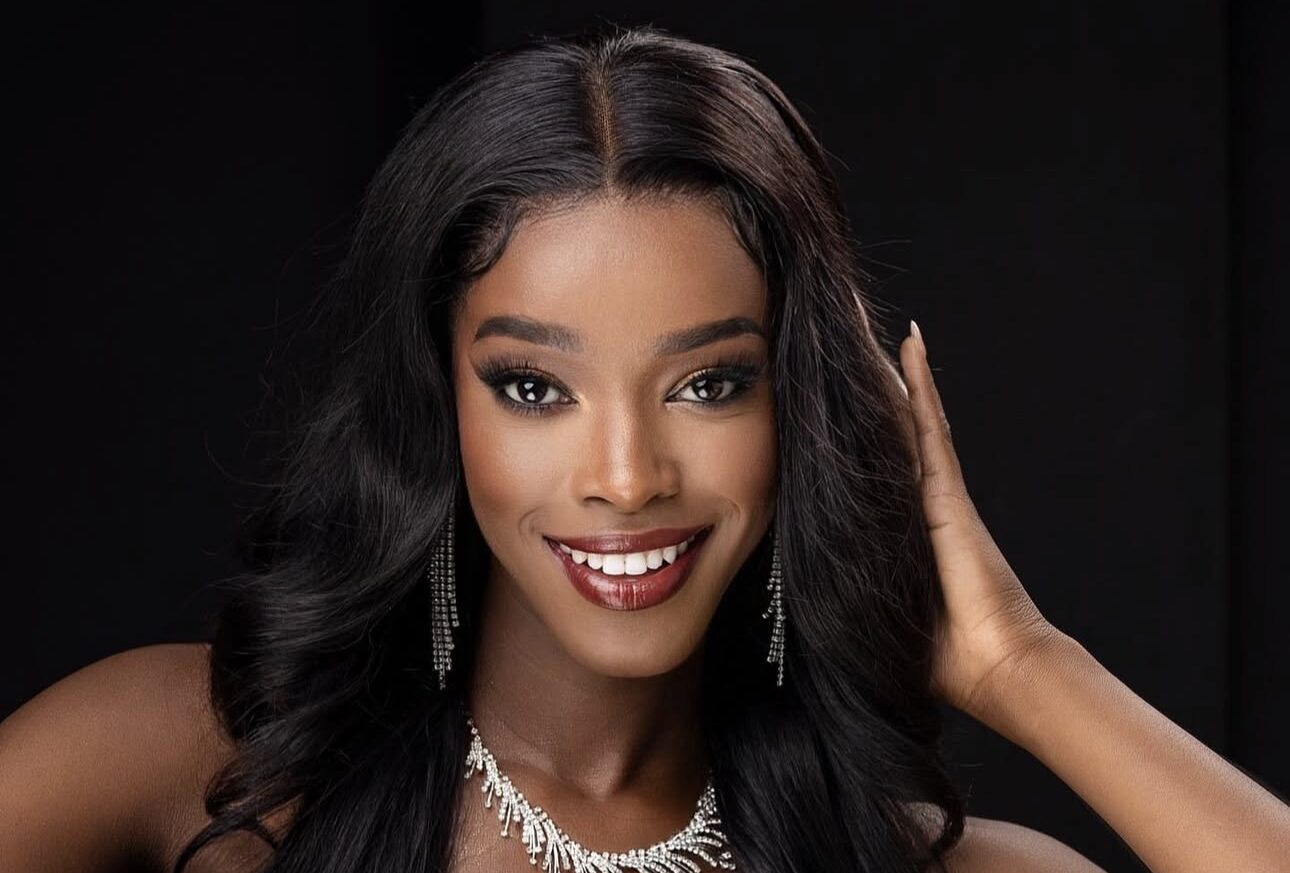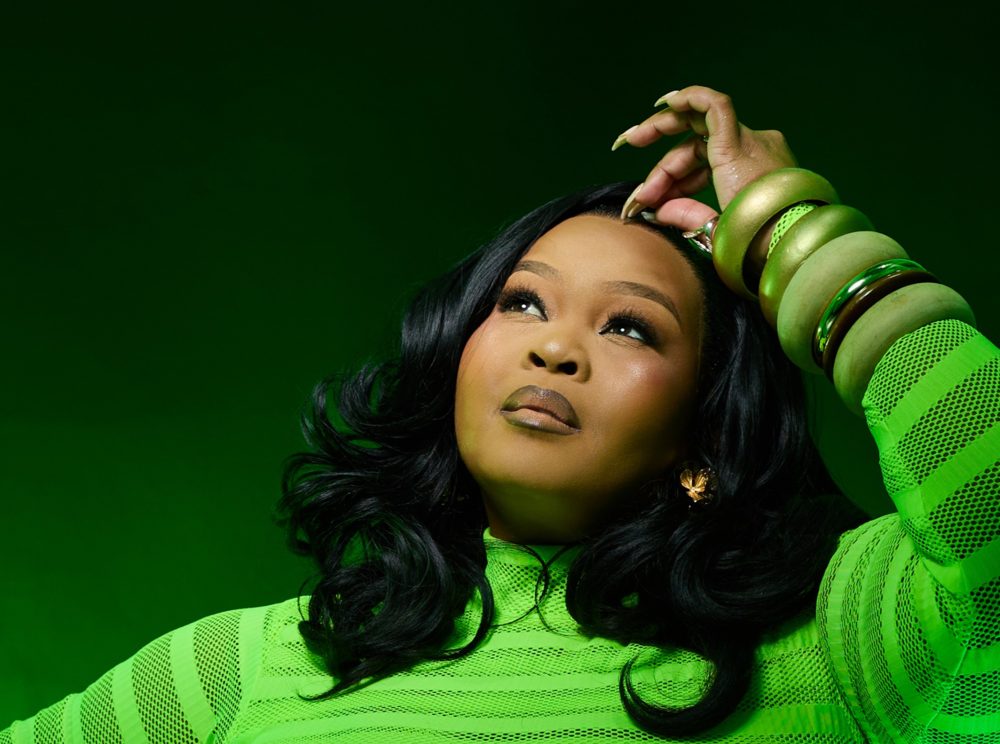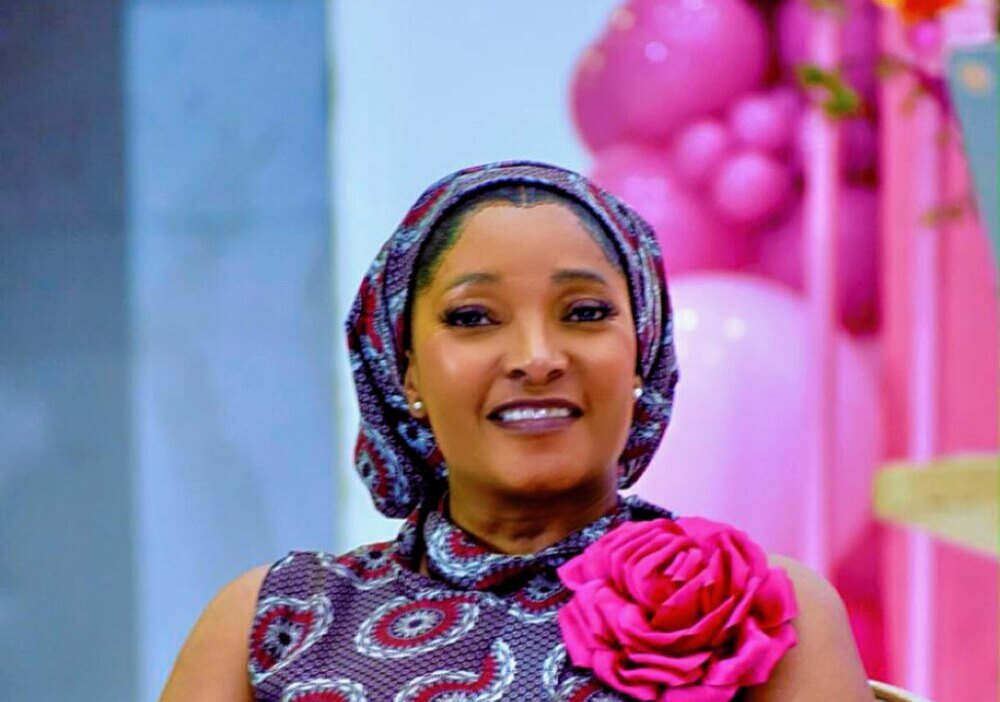
For many South African women, the decision to wear natural hair or relax their hair goes beyond beauty trends—it’s a personal choice influenced by lifestyle, hair goals, maintenance preferences and cultural identity.
While the natural hair movement has grown significantly over the past decade, relaxed hair remains a popular option for those seeking manageability and versatility.
Also see: Smart ways to protect natural hair from winter breakage
Experts say there is no universally “right” choice. Instead, understanding the benefits and challenges of each option can help you decide what works best for your hair and lifestyle, said the Trichology Society of South Africa.
What is natural hair?
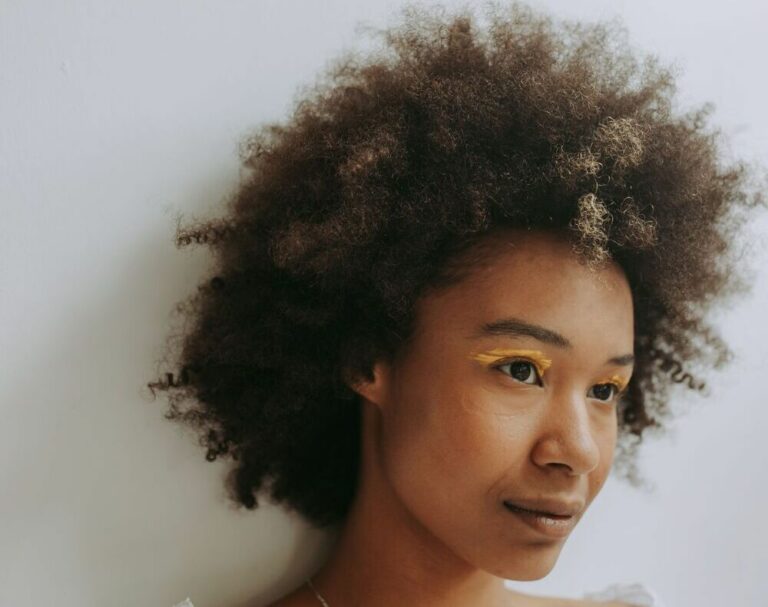
Natural hair refers to hair that has not been chemically altered to change its natural curl pattern or texture. Natural hair can range from loose curls to tightly coiled textures and offers versatility in styling while maintaining the hair’s original structure.
According to hair specialists from the above-mentioned source, maintaining healthy natural hair requires understanding your hair type, scalp condition and moisture needs.
Benefits of natural hair
Many women choose to embrace their natural texture because:
- There is no exposure to chemical straightening agents.
- Hair retains its natural strength and elasticity.
- Natural styles can be highly versatile.
- Maintenance costs may be lower over time.
- There is less risk of chemical burns and scalp irritation.
Also see: Common hair mistakes that cause damage
The challenges of natural hair
While natural hair has many benefits, it can also require significant time and care.
African hair textures are naturally more fragile due to their curl pattern, making them more susceptible to breakage if handled incorrectly. Experts also warn that excessive combing, heat styling, and tightly pulled hairstyles can contribute to hair damage and hair loss.
Common challenges include:
- Longer wash and styling times.
- Increased risk of tangling and knotting.
- The need for regular moisturising.
- Learning how to properly care for specific curl patterns.
- Potential breakage from frequent manipulation.
What is relaxed hair?
Relaxed hair refers to hair that has undergone chemical treatment to permanently alter its curl pattern and create a straighter appearance.
Relaxers work by breaking down the protein bonds within the hair strand. According to research conducted by the University of Cape Town Hair and Skin Research Laboratory, this process can make hair easier to manage but may also weaken the hair shaft.
Benefits of relaxed hair
According to Allure, Many people prefer relaxed hair because it can offer:
- Easier daily styling and detangling.
- Reduced styling time.
- Greater ease when achieving sleek hairstyles.
- Improved manageability for some hair textures.
- Versatility when heat styling.
For some women, relaxed hair may fit better with their lifestyle, particularly if they have limited time for daily hair maintenance.
The risks associated with relaxers
News UCT cited that South African researchers have extensively studied the effects of hair relaxers. A study conducted by the Hair and Skin Research Laboratory at the University of Cape Town found that all commercially available relaxers tested had pH levels considered corrosive to the skin.
Potential risks include:
- Chemical burns to the scalp.
- Hair breakage and brittleness.
- Thinning edges and traction alopecia.
- Scalp irritation and inflammation.
- Increased fragility of the hair shaft.
Professor Ncoza Khumalo, a South African dermatologist and hair loss specialist, has previously warned that combining relaxers with tight braids, weaves, or extensions significantly increases the risk of traction alopecia and hair loss.
So, which option is healthier?
The answer isn’t straightforward.
Allure reported that experts increasingly agree that healthy hair depends less on whether it is natural or relaxed and more on how it is cared for. Poor maintenance can damage natural hair, while properly managed relaxed hair can remain healthy for years.
According to the Trichology Society of South Africa, key factors that influence hair health include:
- Gentle handling
- Avoiding excessive heat
- Proper moisturising
- Protecting the scalp
- Seeking professional advice when using chemical treatments
- Avoiding hairstyles that pull excessively on the hairline
The best choice is the one that works for you
The growing acceptance of natural hair in South Africa has given many women the freedom to embrace their natural texture, while others continue to prefer relaxed hair for practical or personal reasons.
Rather than viewing one option as superior to the other, hair specialists encourage people to choose the style that best suits their lifestyle, preferences, and ability to maintain healthy hair practices.
After all, healthy hair isn’t defined by whether it’s natural or relaxed—it’s defined by how well it’s cared for.
Also see: The truth about using multiple hair products on your hair
Be the first to know – Join our WhatsApp channel for content worth tapping into. Click here to join!