
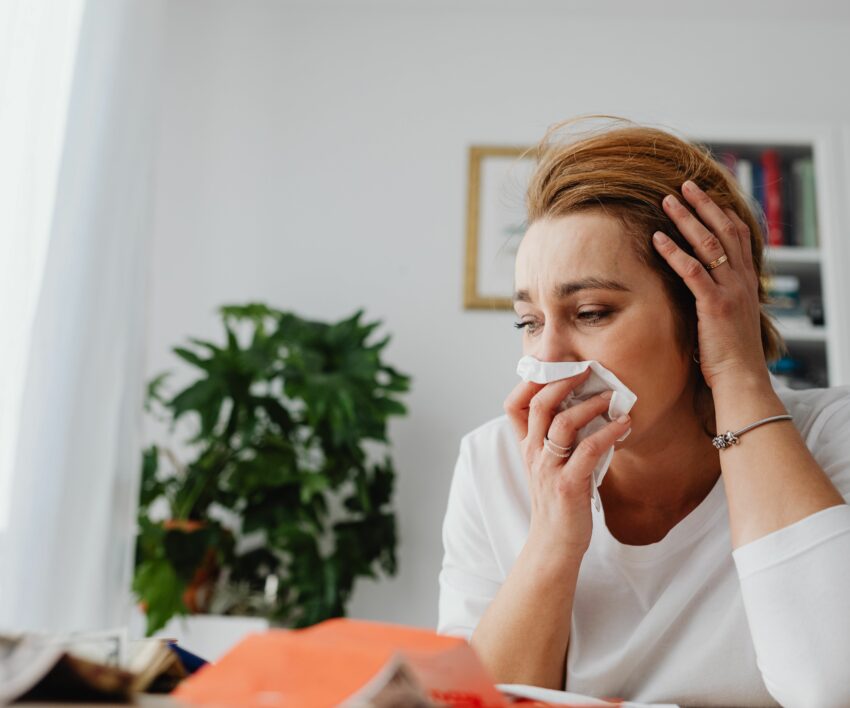
Over the past few years, allergic conditions such as hay fever, food allergies, and asthma have become increasingly common. Eczema, while not an allergy itself, is an inflammatory skin condition that often co-occurs with allergic diseases. Together, these conditions affect millions of people, particularly children.
Health researchers estimate that allergic diseases are rising at a rate that cannot be explained by genetics alone, suggesting that changes in the environment and our lifestyle play a significant role.
Also see: Warning signs of acid reflux to watch out for
What is an allergy?
According to Allergy Foundation South Africa, an allergy occurs when the immune system mistakenly identifies a harmless substance as a threat. These substances, known as allergens, can include pollen, dust mites, pet dander, certain foods, insect stings, or medications.
When exposed to an allergen, the body releases chemicals such as histamine, leading to symptoms ranging from mild sneezing and itching to severe reactions like anaphylaxis.
Reasons behind the rise in allergies
Hygiene hypethesis
One of the most widely discussed explanations is the “hygiene hypothesis.” Modern lifestyles expose children to fewer microbes than previous generations due to improved sanitation, smaller family sizes, widespread antibiotic use, and cleaner living environments.
Some scientists believe that reduced exposure to germs during early childhood may prevent the immune system from developing properly, increasing the likelihood of allergic reactions.
Changes in diet
Modern diets often contain more processed foods and fewer fresh fruits, vegetables, and fibre-rich foods. These dietary changes can affect the gut microbiome—the community of beneficial bacteria living in the digestive system.
Since the gut microbiome plays an important role in immune regulation, disruptions may contribute to the development of allergies.
Also see: How to prevent colds and flu during your travels
Increased pollution
Air pollution has been linked to rising rates of respiratory allergies and asthma. Pollutants from vehicles, factories, and industrial activities can irritate the airways and make individuals more sensitive to allergens.
Climate change may also worsen allergy seasons by increasing pollen production and extending the time plants release allergens into the air.
Changes in gut microbiota
Research increasingly points to the importance of the gut microbiome in maintaining immune balance. Factors such as antibiotic use, cesarean births, reduced breastfeeding rates, and dietary changes can alter microbial diversity. A less diverse microbiome may increase the risk of allergic diseases.
While allergies cannot always be prevented, several strategies may help reduce risk:
- Encouraging a diverse and healthy diet.
- Spending time outdoors and interacting with natural environments.
- Avoiding unnecessary antibiotic use.
- Supporting a healthy gut microbiome through balanced nutrition.
- Following medical guidelines regarding the introduction of allergenic foods during infancy.
The rise in allergies is a complex global health issue that has been influenced by modern lifestyles, environmental changes, and immune system development.
Although no single factor fully explains the trend, growing evidence suggests that reduced microbial exposure, dietary shifts, pollution, and changes in the gut microbiome all play important roles. Continued research offers hope for reducing the burden of allergic diseases and improving the quality of life for those affected.
Also see: The powerful health benefits of turmeric
Feature Image: Pexels
Be the first to know – Join our WhatsApp channel for content worth tapping into. Click here to join!