Stress can affect children in many ways, often differently from adults. Understanding how children typically respond to stress helps caregivers, teachers, and parents support them effectively during challenging times.
Also see: Different parenting styles that will work for you
How children react to stress
Emotional reactions
Children may show a range of emotional responses when stressed, including increased irritability, anxiety, sadness, or mood swings. They might become clingy or withdrawn, expressing feelings they cannot always put into words.
Behavioral changes
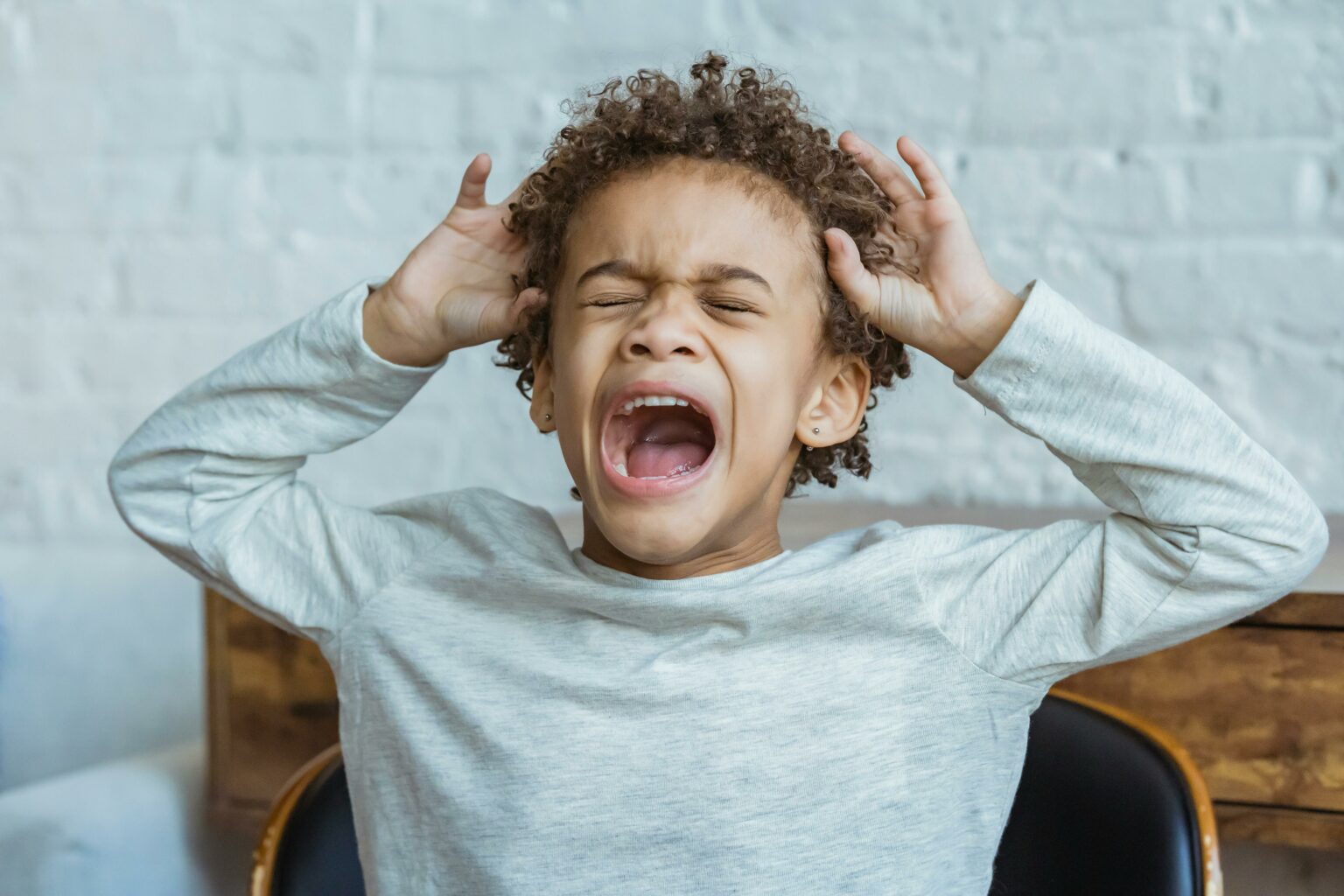
Stress often leads to noticeable changes in behaviour. Children may exhibit tantrums, aggression, or defiance. Others might regress to earlier behaviours like bedwetting or thumb sucking. Some may also show changes in eating or sleeping patterns.
Physical symptoms
Stress can manifest physically in children. Common symptoms include headaches, stomachaches, fatigue, or unexplained aches and pains. These physical complaints can sometimes be a child’s way of expressing emotional distress.
Also see: Here are 5 parenting habits that drain your child’s joy
Cognitive effects
Stress may impact a child’s concentration, memory, and decision-making abilities. They might struggle with schoolwork or seem distracted and forgetful. This cognitive disruption can affect their learning and social interactions.
Social impact
Socially, stressed children might avoid friends, appear less interested in play, or have difficulty trusting others. They can become more withdrawn or, conversely, seek excessive reassurance from adults.
Recognising these common reactions is crucial to providing timely support and creating a safe environment for children to express and manage their stress effectively.
Also see: Kim Kardashian and North West: Tween Piercings, Parenting Styles, and the Debate They Spark
Featured image: Pexels
Be the first to know – Join our WhatsApp channel for content worth tapping into. Click here to join!