
Have you ever noticed how a cluttered room can make you feel overwhelmed, or how spending time in nature can instantly lift your spirits? While mood is influenced by many factors, including physical health, relationships and life experiences, the environment around us also plays a significant role in shaping how we feel.
Also see: Smart ways to create a home environment that supports your mental health
From the spaces we live and work in to the people we surround ourselves with, our environment can impact our emotional well-being in subtle yet powerful ways. Understanding this connection can help us create surroundings that support a healthier and happier state of mind.
The impact of physical spaces
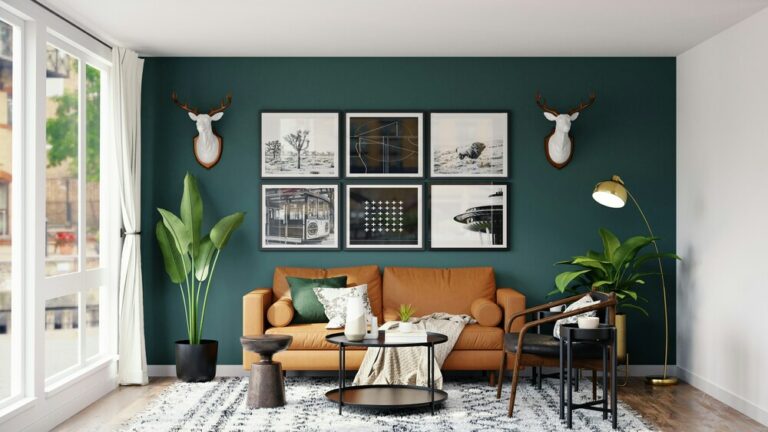
The design and condition of our surroundings can influence our emotions and behaviour. Clean, organised and well-lit spaces often promote feelings of calm, focus and productivity, while cluttered or chaotic environments may contribute to stress and anxiety.
According to researchers in Environmental Psychology, physical environments can influence cognitive functioning, emotional responses and overall well-being. Studies have found that cluttered environments may increase stress by overwhelming the brain with excessive stimuli.
Even small changes, such as opening curtains to let in natural light or organising a workspace, can help create a greater sense of control and calm.
Natural light and mental well-being
Exposure to natural light plays an important role in regulating the body’s circadian rhythm, which affects sleep, energy levels and mood.
According to Harvard Health Publishing, sunlight helps regulate serotonin production, a neurotransmitter associated with feelings of happiness and well-being. Reduced exposure to natural light has been linked to lower mood and decreased energy levels.
Making time to spend a few minutes outdoors each day or positioning workspaces near windows can support mental wellness.
The benefits of spending time in nature
Nature has long been associated with reduced stress and improved emotional health. Whether it’s a walk in a park, a hike, or simply sitting among trees, spending time in green spaces can positively influence mood.
Research published by the World Health Organisation highlights the benefits of access to green spaces, noting that nature exposure can help reduce stress, improve mental well-being and encourage physical activity.
Even for people living in urban areas, adding indoor plants or visiting local parks can provide some of these benefits.
Noise and stress levels
The sounds we encounter throughout the day can also affect how we feel.
According to the American Psychological Association, chronic exposure to excessive noise can increase stress and negatively affect concentration and mental health. In contrast, calming sounds such as nature recordings, soft music or periods of quiet may promote relaxation.
Creating opportunities to reduce unnecessary noise can contribute to a more peaceful environment.
Also see: How to trick your brain into sleeping in a new environment
The influence of social surroundings
Our emotional environment is shaped not only by physical spaces but also by the people around us.
Supportive relationships can foster feelings of belonging, confidence and emotional security, while consistently negative interactions may contribute to stress and emotional fatigue.
Research from the World Health Organisation emphasises the importance of social connections in promoting mental health and resilience.
Digital environments matter too
Today’s digital world has become an important part of our daily environment. Social media platforms, online communities and digital communication tools can influence our emotions and self-perception.
While these platforms can provide connection and inspiration, studies have found that excessive social media use and constant comparison with others may negatively affect self-esteem and mental well-being.
Being mindful of online habits and curating a healthier digital experience can help protect mental health.
Small changes can make a big difference
Improving your environment does not always require major lifestyle changes. Small adjustments can significantly affect how you feel, including:
- Keeping living spaces organised
- Letting in natural light
- Spending more time outdoors
- Adding plants to indoor spaces
- Reducing exposure to excessive noise
- Creating a comfortable workspace
- Limiting negative online content
- Nurturing supportive relationships
Our surroundings influence our emotions more than we may realise. From physical spaces and natural light to social interactions and digital habits, the environments we create can shape our daily experiences and overall well-being.
While it may not be possible to control every aspect of our surroundings, making intentional choices about the spaces we occupy and the people we engage with can help improve mood, reduce stress and support a healthier, more balanced life.
Also see: Ways of creating a conducive environment for asthmatic people
Be the first to know – Join our WhatsApp channel for content worth tapping into. Click here to join!