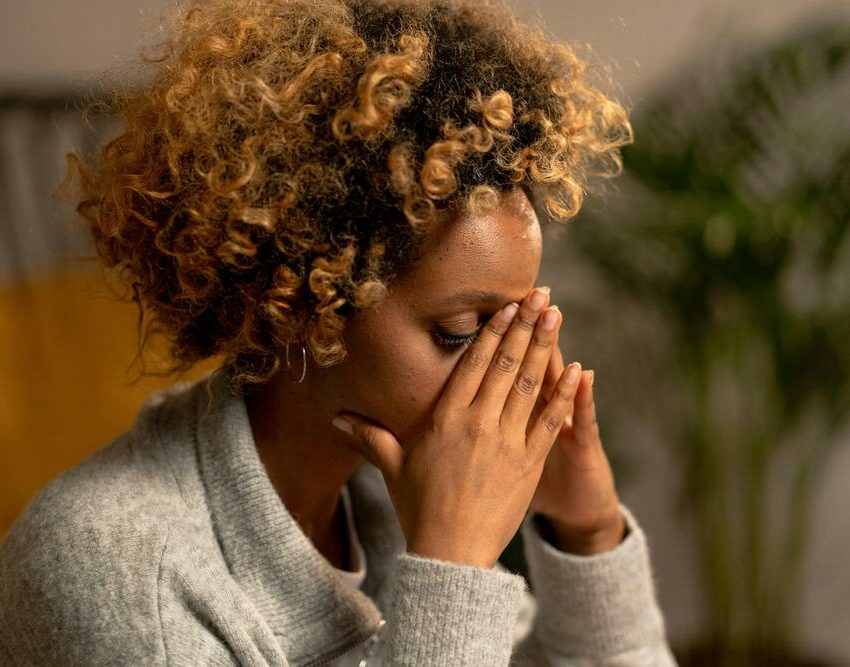
Anxiety has become one of the most common mental health challenges in modern life. From work pressure and financial stress to social media overload and lack of rest, many people are constantly operating in “survival mode.” While anxiety is a normal human response to stress, chronic anxiety can begin affecting sleep, relationships, concentration, and overall wellbeing.
The good news? Small daily habits can make a major difference. Mental health experts say consistent lifestyle changes can help calm the nervous system naturally and improve emotional balance over time.
Also see: Anxiety in your 20s & 30s — practical coping tools that actually work
Here are 10 proven daily habits that can help reduce anxiety naturally.
1. Start your day without your phone
Many people begin the day by immediately checking emails, notifications, or social media. This can trigger stress before the brain has even fully woken up.
Experts recommend avoiding screens for at least the first 20 to 30 minutes after waking up. Instead, try stretching, drinking water, journaling, or sitting quietly before diving into digital demands.
Research shows excessive social media use can increase anxiety symptoms and emotional overwhelm.
2. Move your body every day
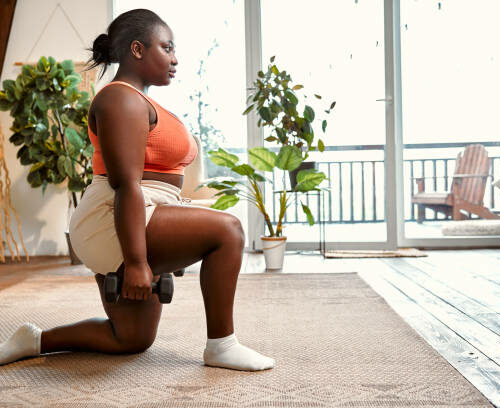
Exercise is one of the most effective natural anxiety reducers. Physical activity releases endorphins, improves mood, and lowers stress hormones like cortisol.
You don’t need intense gym sessions to feel the benefits. Walking, dancing, yoga, stretching, or even 20 minutes of movement daily can help regulate anxiety.
According to the American Psychological Association, regular exercise significantly improves mental wellbeing and stress management.
3. Prioritise quality sleep
Lack of sleep and anxiety are closely connected. Poor sleep can worsen anxious thoughts, while anxiety itself often makes it harder to rest.
Creating a healthy sleep routine — including reducing caffeine late in the day, limiting screen time before bed, and maintaining consistent sleep hours — can improve emotional regulation.
Adults are generally advised to aim for seven to nine hours of quality sleep per night.
4. Practise deep breathing
Anxiety activates the body’s fight-or-flight response, often causing shallow breathing and physical tension.
Simple breathing exercises can help calm the nervous system naturally. One common method is box breathing:
- Inhale for 4 seconds
- Hold for 4 seconds
- Exhale for 4 seconds
- Hold again for 4 seconds
Even a few minutes of controlled breathing daily can reduce stress levels.
5. Reduce caffeine intake
While coffee and energy drinks can increase alertness, too much caffeine may worsen anxiety symptoms in some people, especially those prone to panic attacks or nervousness.
Mental health experts suggest monitoring how caffeine affects your body and reducing intake if it contributes to restlessness or racing thoughts.
Also see: Anxiety keeping you up? Ways to get it under control
6. Spend time outside
Nature has a calming effect on the brain. Studies show spending time outdoors can lower stress, reduce mental fatigue, and improve mood.
Whether it’s a morning walk, sitting in the sun, or visiting a park, daily exposure to natural environments can help reduce anxiety levels.
Research published in Frontiers in Psychology found that just 20 minutes in nature can significantly lower stress hormones.
7. Limit doomscrolling
Constant exposure to negative news and online conflict can increase feelings of fear and emotional exhaustion.
Setting social media boundaries — such as limiting screen time, unfollowing triggering accounts, or taking regular digital breaks — can protect mental wellbeing.
Many psychologists now recommend “intentional scrolling” instead of endless consumption.
8. Eat regular, balanced meals
Skipping meals or relying heavily on sugar and processed foods can impact energy levels and mood stability.
A balanced diet that includes protein, healthy fats, vegetables, and enough water can support brain health and reduce physical symptoms linked to anxiety.
Nutrition experts also note that blood sugar crashes can sometimes mimic anxiety symptoms.
9. Talk to someone you trust
Anxiety often worsens in isolation. Talking openly with a trusted friend, family member, therapist, or support group can help reduce emotional pressure.
Human connection plays a major role in mental wellness, and simply feeling heard can improve coping ability.
The World Health Organisation (WHO) has repeatedly highlighted the importance of social support for mental health resilience.
10. Stop expecting yourself to be “on” all the time
Modern hustle culture often promotes constant productivity, leaving many people mentally exhausted.
Learning to rest without guilt, say no when necessary, and create realistic expectations for yourself can reduce chronic stress and anxiety.
Mental wellness experts increasingly encourage “soft living” habits that prioritise balance, boundaries, and emotional wellbeing over burnout.
Final thoughts
Reducing anxiety naturally does not happen overnight, but small daily habits can create lasting changes over time. Consistency matters more than perfection.
While lifestyle changes can significantly help manage stress and anxiety, severe or persistent symptoms should always be discussed with a qualified mental health professional.
In a world that constantly demands attention and energy, protecting your mental wellbeing is no longer optional — it’s essential.
Also see: Breathing Exercises That Reduce Anxiety Quickly
Be the first to know – Join our WhatsApp channel for content worth tapping into. Click here to join!