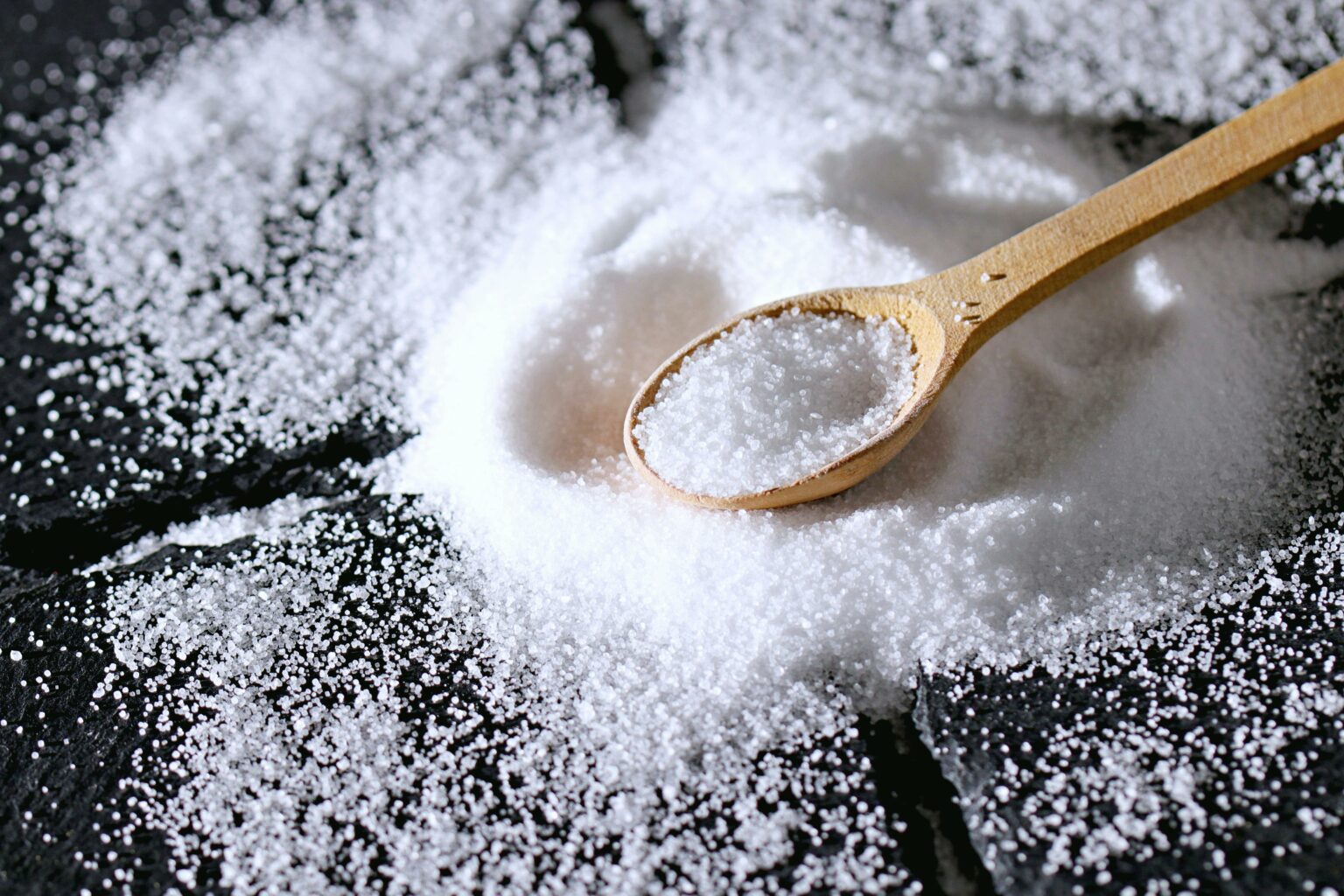
Salt is a common seasoning found in kitchens worldwide and is often overlooked when considering its effects on health.
While it enhances flavour, the hidden dangers of excessive salt consumption are significant and deserve attention. Understanding these risks can help make wiser dietary choices.
At its core, salt is composed mainly of sodium, which is a mineral that helps regulate fluid balance and nerve function. However, consuming too much salt can disrupt this balance and lead to serious health issues.
Also see: How to combat your smoking habits with healthy foods
One of the most well-known dangers is high blood pressure, or hypertension.
When sodium intake is excessive, the body retains more water, increasing blood volume and forcing the heart to work harder.
According to Affinity Health, this is why too much salt is a problem.
Consuming high levels of salt over time can strain the body, particularly the heart and blood vessels. When excess sodium is present in the bloodstream, the body retains more water to balance the sodium concentration. This increases the volume of blood circulating through the body and raises blood pressure.
“High blood pressure, also known as hypertension, is often referred to as a ‘silent condition’ because it may not exhibit noticeable symptoms for many years.”
Also see: Best Skincare Habits for Your 20s: Dermatologist-Backed Routine for Clear, Healthy Skin
Reducing salt intake is one of the simplest lifestyle changes that can help prevent hypertension and support long-term health.
Affinity Health also notes that these signs may indicate you are eating too much salt.
Because salt is hidden in many foods, it can be difficult to know whether you are consuming too much. Some warning signs may include:
- Frequent thirst
- Bloating or water retention
- Headaches
- High blood pressure readings
- Feeling unusually tired
While salt is vital in moderation, its hidden dangers, primarily linked to cardiovascular, kidney, and bone health, warrant caution. Being mindful of salt consumption, especially from processed foods, is a crucial step toward maintaining long-term wellness.
Also see: Foods you need for a healthier sex life
Feature Image: Pexels
Be the first to know – Join our WhatsApp channel for content worth tapping into. Click here to join!