
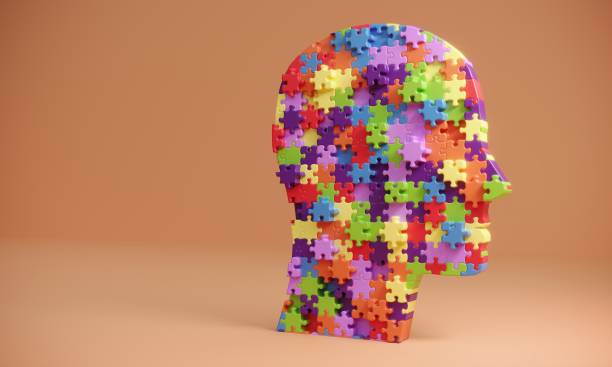
We all experience the world differently, and some people have their unique ways of thinking, focusing or interacting that don’t seem to fit the “norm”.
More people are recognising these differences, and some relate to them. These ways of thinking or seeing the world differently are referred to as neurodiversity.
Also see: Are women over-supplementing? The wellness habit worth questioning
When learning about neurodiversity, it is equally important to understand what the term neurodivergent means.
The Blouberg family care practice explains neuroscience as “the different brain types that we, as humans, can have. ‘Neuro’ means brain, and ‘diversity’ means variety. Neurodivergent (ND), therefore, describes individuals with brains that are structured differently due to a natural variation in brain development and function. These can include autistic people and those with ADHD, dyslexia, dyscalculia, developmental language disorder (DLD) and Tourette syndrome”.
Although it is not always the case, people who are neurodivergent may be more susceptible to poor mental health due to the lack of understanding and support around them. This can affect everyone around if there is no education about the topic.
It is important to learn about it so that those affected can have a safe space to react to how they feel without ‘masking’ their feelings or thoughts.
Neurodivergence is now recognised as prevalent in various aspects of life, including at home, work, school and social settings. Whether its increase is due to modern factors remains uncertain.
Also see: Your guide to summer wellness this festive season
How can it affect you
According to Harvard Health, it can affect your;
- Cognitive & learning differences: In areas like spatial reasoning or 3D thinking, alongside struggles with memory or processing speed.
- Sensory and communication needs: Many experience heightened sensitivity to lights, sounds or textures.
- Workplace and academic challenges: Traditional environments designed for “neurotypical” brains can cause anxiety, burnout or difficulty with focus.
- Masking and mental health: Neurodivergent people may “mask,” or hide their natural behaviours to fit in with society
Also see: The soft wellness era: Prioritising gentle routines over harsh resolutions
Be the first to know – Join our WhatsApp channel for content worth tapping into. Click here to join!