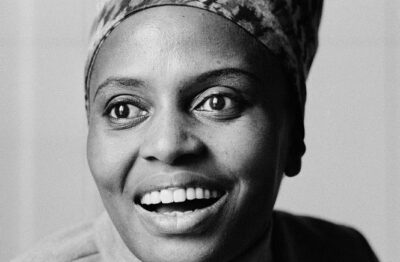
As South Africa reflects on the legacy of youth resistance in 1976, the Miriam Makeba Foundation honours Mama Africa’s enduring global influence.
Today marks what would have been the 94th birthday of Dr. Miriam Makeba – singer, activist, and one of South Africa’s most powerful cultural diplomats.
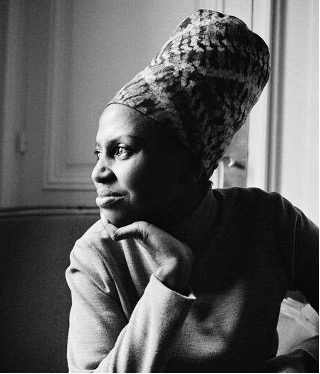
Also see: Tyla’s Billboard Hot 100 ranking sees her shining with the great Miriam Makeba
This anniversary carries particular resonance. In 1976 – the same year as the Soweto Uprising – Makeba addressed the United Nations General Assembly in a historic speech condemning apartheid and calling on the world to act. Fifty years later, her words remain a defining example of how art can carry moral authority across borders.
In that address, Makeba declared: “We are not asking for sympathy. We are asking for justice.”
When Makeba addressed the United Nations in 1976, she challenged a world hesitant to intervene. Today, amid rising geopolitical tensions, wars of identity, and widening economic divides, her call for justice over indifference feels strikingly current. Her voice reminds us that silence, too, is a position – and that moral clarity is never out of season.
Also see: Late singer Miriam Makeba’s house reportedly treated as ‘drug den’
Known globally as “Mama Africa,” Makeba’s voice carried the dignity, pain, and aspirations of a nation in exile. From the townships of Johannesburg to the world’s most prestigious stages, she transformed African identity into a source of pride at a time when it was systematically diminished.
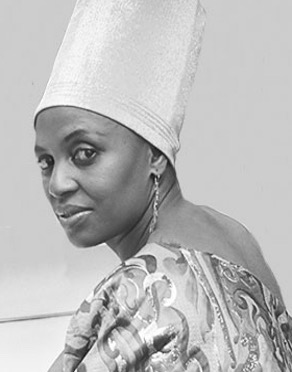
Her legacy lives on through the Miriam Makeba Foundation and the Miriam Makeba Centre for Girls in Midrand, which provides education and empowerment for young women – reflecting her lifelong belief that women deserve opportunity, dignity, and agency.
Miriam’s influence continues to shape contemporary African music and identity, inspiring artists such as Thandiswa Mazwai, Angélique Kidjo, Yvonne Chaka Chaka, Simphiwe Dana, Somi, and her granddaughter Zenzi Makeba Lee.
As South Africa marks 50 years since 1976 – a defining year in the country’s history – the foundation calls on cultural institutions, educators, and artists to revisit Makeba’s United Nations address, not as history alone, but as living testimony to the role culture plays in shaping justice.
Indeed, while Miriam passed in 2008, her voice, courage and clarity continue to inspire new generations of artists, activists, and young women.
Also see: Thandiswa Mazwai on meeting the late Miriam Makeba
Be the first to know – Join our WhatsApp channel for content worth tapping into. Click here to join!