
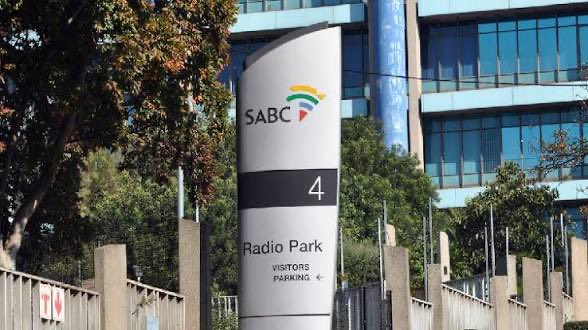
For decades, South African households have been required to pay an annual TV licence fee to legally own a television. Introduced in an era when television was the primary way people consumed news and entertainment, the system helped fund the South African Broadcasting Corporation (SABC) and its public broadcasting mandate.
Today, however, the future of TV licences appears increasingly uncertain.
Also see: Mama Joy brags about World Cup TV appearance: ‘Only superfan shown’
A Changing Media Landscape
The way South Africans consume media has changed dramatically over the past decade. Instead of watching scheduled television broadcasts, millions now access content through streaming services, smartphones, tablets, laptops, and social media platforms.
This shift has exposed the limitations of a funding model based solely on television ownership. Many viewers no longer rely on traditional TV sets to watch news or entertainment, making the current licence system increasingly outdated.
According to EWN, Communications and Digital Technologies Minister Solly Malatsi said a new funding model for the South African Broadcasting Corporation (SABC) is in the works but not ready yet.
One of the biggest challenges facing the TV licence system is non-payment. According to recent reports, compliance has fallen sharply over the years, with only a small percentage of licence holders paying their annual fees.
This has significantly reduced one of the SABC’s traditional sources of income and placed additional financial pressure on the public broadcaster.
The SABC has repeatedly stated that the current model is no longer sustainable and has called for a modern funding solution that reflects today’s media environment.
Also see: Jessica Nkosi makes strong TV comeback with new reality show
What could replace TV licences?
Government and industry stakeholders have been exploring several alternatives to replace the current TV licence system, and according to reports, there have been proposals discussed publicly, including:
- A universal household levy that applies regardless of whether a household owns a television.
- A collection system administered through an existing government agency such as the South African Revenue Service (SARS).
- A combination of public funding and commercial revenue to support the SABC’s public service mandate.
- Other funding mechanisms that recognise digital media consumption rather than television ownership.
While no final decision has been implemented, officials have confirmed that work on a new funding model is continuing as part of broader reforms to the SABC’s legislative framework.
The debate is no longer simply about television licences—it is about ensuring that public broadcasting remains financially sustainable and relevant in an increasingly digital world.
Also see: Kim Jayde secures exciting new DStv gig
Feature Image: X
Be the first to know – Join our WhatsApp channel for content worth tapping into. Click here to join!