
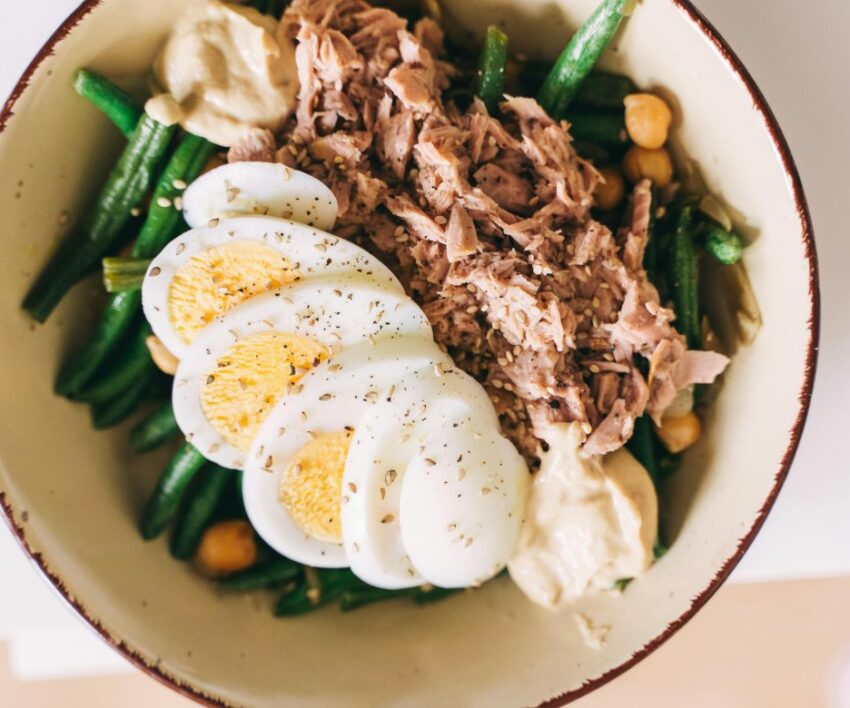
While high-protein diets remain popular in the food and wellness space, the side effects of excessive protein intake aren’t discussed enough. Don’t get us wrong – there’s nothing inherentlyly wrong with eating a high-protein diet (it works for many of the world’s top athletes), but consuming that little bit too much may lead to bad breath, dehydration, and even weight gain.
While the main goals of high-protein diets are to support muscle growth and recovery, overdoing it can cause serious stress on your kidneys and heart. If you’re experiencing any of the below signs and symptoms, you might be consuming too much protein.
Note: this article is not an official diagnosis, and you should seek professional medical advice if concerned.
6 Signs you’re eating too much protein
1. More need for bathroom breaks
If you’ve noticed you’re always needing to pee and visiting the loo more often lately, it could be a sign of too much protein and too few carbohydrates in your diet. One 2020 study found that individuals who ate more protein at dinner had higher urea and sodium excretion. This led to the urgency to urinate more often, especially when waking up at night (also known as nocturnal polyuria). Urea is the main waste product of protein metabolism (which our kidneys help us with), so the more protein you eat, the more urea is produced, thus the more times you need to use the restroom.
2. You have bad breath
When on a high-protein diet, you may experience “keto breath” – a fruity or acetone-like smell to your breath. This may signal that your body is in ketosis, a state in which your body burns fat instead of glucose for energy. Ketosis is a common outcome of high-protein diets, especially the ‘Keto diet’.
3. You’re blocked up
Another sign of too much protein consumption is constipation. High-protein diets are often lower in fibre, especially when your protein source is primarily animal products. Little to no fibre will wreak havoc on your body’s digestive system. Without it, there won’t be anything helping move digested food along in your intestines, leaving you uncomfortably constipated. Ensure that your high-protein diet is balanced, and that you’re consuming enough soluble and insoluble dietary fibre to keep your gut healthy and your bowel movements regular.

4. You’re dehydrated
As your kidneys work harder to break down the high amounts of protein in your system, your urination increases, which also means your body is losing more water than usual. If unchecked and monitored, this can lead to dehydration, making you feel tired, sluggish and give you brain fog. Ensure you’re drinking plenty of fluids when on a high-protein diet.
5. You’re gaining weight
Many people believe that switching to a high-protein diet will automatically mean their bodies will turn it into muscle. Paired with the correct daily exercise and amount of food eaten, this may be true. Instead, your body will struggle to turn it into muscle mass and revert to breaking it down into sugars and storing it as fat. The protein source you choose is extremely important here; ensure that you’re not choosing sources with high amounts of saturated fats.
6. You’re tired all the time
Even with enough hours of sleep, plenty of fluids, and great exercise routines, you still feel incredibly tired all the time. Eating more protein and fewer carbohydrates can leave your body feeling tired for several reasons. Carbohydrates are a great source of energy that your brain needs, and without enough of them, you will experience brain fog and feel sluggish. Ensure you’re consuming enough healthy carbohydrates (like whole grains, fruits and vegetables) to fuel your brain and keep you sharp and focused throughout the day.
Compiled by Annemieke van Nieuwkerk
First published on Food and Home
Also see: What’s the deal with high-protein diets?