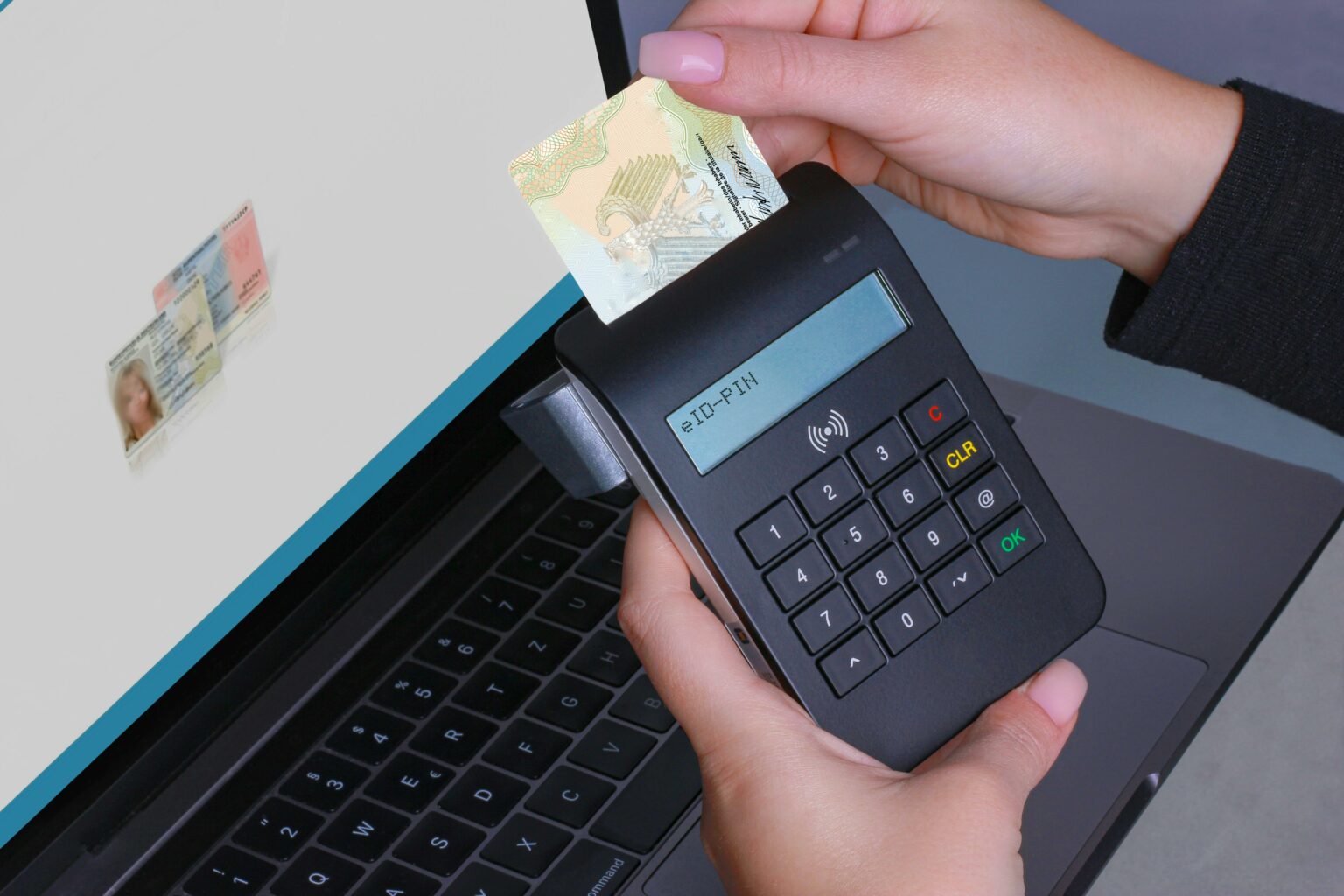
Digital IDs, are they good or bad? That is the question.
Digital IDs have been the framework in many European countries. With a heavy focus on security standards for ID documents, they are pushing forward into the digital world.
South Africa is seemingly stepping onto this stage with speed and confidence. This is not just a rebrand of the existing smart ID card. The proposed digital ID is a new, wallet-style credential that would sit on top of the population register and smart ID system as a separate layer of control.
In July of last year, Home Affairs Minister Leon Schreiber announced that the Department of Home Affairs (DHA) would submit a Digital ID policy to the Cabinet to enable public consultations.
The smart ID pitch is an attractive one. One secure identity to access state services, social support, financial products and private platforms, all from your phone. This means less queuing, less fraud, less paperwork and more dignity for all.
The good
A well-designed digital ID can reduce transaction costs for people who already exist clearly in the system and deepen inclusion for those who struggle to prove themselves, over and over.
For the digital IDs to work in South Africa, they’ll have to be aligned to the Protection of Personal Information Act (POPIA), Promotion of Access to Information Act (Paia) and the Constitution’s guarantees of dignity.
These IDs could support a rights-anchored infrastructure of documentation, where the state’s records are reliable enough.
The bad
Digital IDs also centralise risk. They create attractive targets for criminal intrusion and for internal abuse. These digital IDs will also intensify exclusion in less visible ways.
Systems built around stable connectivity, device ownership and clean underlying records will work best for those closer to urban administrative offices. As such, they are potentially a good idea that carries disadvantages for the country’s marginalised.
Also see: WATCH: Home Affairs Tygervalley incident draws scrutiny