A world first and a turning point for parenting in the digital age
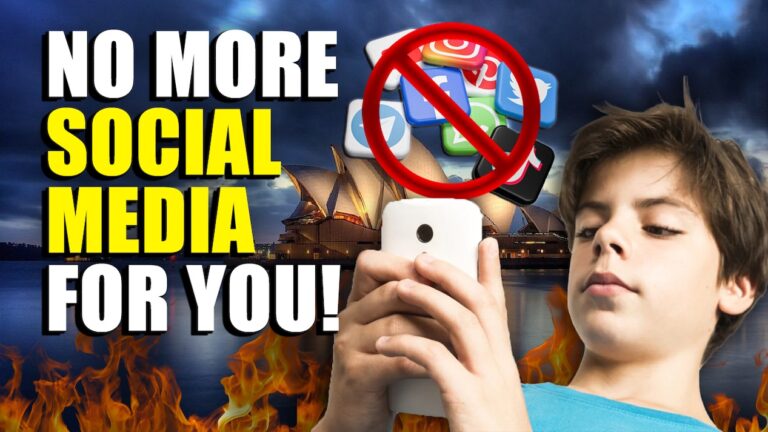
Australia just did what many parents have whispered about for years but never imagined would actually happen: a nationwide ban preventing anyone under 16 from using social media.
The law came into effect on Wednesday, December 10, and it’s already being called one of the most significant cultural shake-ups of the decade. Some are cheering, others are nervous, but everyone is paying attention.
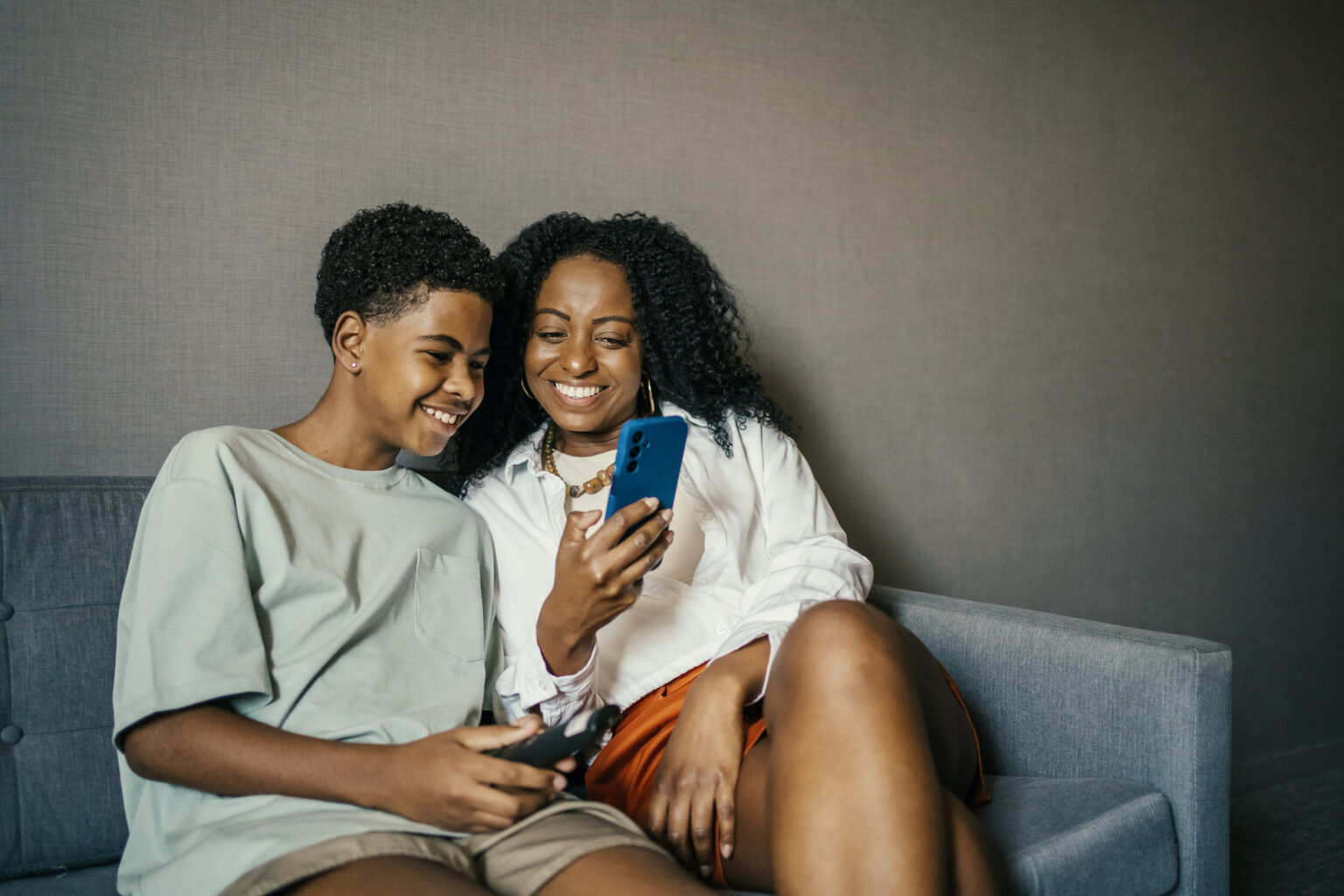
As a South African parent myself, I couldn’t help but wonder… what would a rule like this look like here at home? Anyone with a tween knows the tug-of-war, TikTok dances instead of homework, endless scrolling, skincare routines at 12, group chats that run into midnight. Social media is raising our kids as much as we are.
How the ban works and what makes it different
Under the new law, platforms like TikTok, Instagram, Snapchat, YouTube and Facebook must block under-16s entirely. Not limit usage. Not warn. Block.
To enforce it, apps are now required to introduce serious age checks, think:
-
ID or passport uploads
-
AI facial recognition to estimate age
-
Regular verification checks
If tech companies fail to comply? They face fines up to A$49.5 million, around R560 million. That’s no slap on the wrist, it’s a message.
The policy affects about one million Australian children, aiming to address what the government calls a teen mental health emergency.
Australian Prime Minister Anthony Albanese didn’t hold back, calling it “one of the biggest social and cultural changes our nation has faced.” And honestly, he might be right.
Why now? Because the numbers don’t lie
Children’s screen time has skyrocketed. Australia reports that 86% of kids aged 8 to 15 are already on social media, often long before they’re emotionally ready for the pressures that come with it.
Research keeps warning us:
-
Social media overuse increases risk of anxiety and depression (APA, 2022)
-
Just one hour of Instagram daily impacts self-esteem, especially in girls (University of Queensland)
-
Constant comparison culture is reshaping how teens view beauty, success — even themselves
Australia’s eSafety Commissioner Julie Inman Grant summed it up plainly:
Overuse of social media among teens has been linked to anxiety, depression and poor body image.
And as uncomfortable as that truth is, most of us know it firsthand from the children around us.
Not everyone is celebrating
For many teens, losing social media feels like losing oxygen. Hours before the ban kicked in, TikTok was flooded with posts tagged #SeeYouWhenIm16, like digital goodbye letters.
Critics argue:
-
What about kids in remote areas who rely on online communities?
-
What about queer or neurodivergent teens who find belonging online?
-
Could this isolate vulnerable young people even more?
But supporters believe temporary frustration is worth long-term protection. And it’s not just Australia paying attention.
A global ripple, will other nations follow?
Denmark, New Zealand and Malaysia are already exploring similar laws.
Tech giants are scrambling to comply — X (formerly Twitter) held out the longest, admitting they only complied because the law forced them to. Other companies worry about the ethics of facial verification.
Australia’s Communications Minister Anika Wells even joked-warned:
If LinkedIn becomes a secret hangout for 15-year-olds, I will not hesitate to act.
This is more than policy, this is a social experiment at national scale.
Meanwhile in South Africa…
No such ban exists here. Instead, bodies like ICASA and the Film and Publication Board focus on:
-
Online safety
-
Content classification
-
Media literacy
In SA, access decisions still fall mostly on parents. And honestly? Parenting is tough enough without competing against ring lights and TikTok trends.
Maybe Australia’s bold move is a mirror we didn’t know we needed.
Where do families go from here? Life after the scroll
If teens are logging out, what fills the gap?
Maybe… real life. Real friendships. Real hobbies.
Ideas for a social-media-free childhood:
Sport & outdoor time — local soccer teams, park meetups, backyard cricket
Creativity unlocked — art classes, DIY crafts, photography
Nature therapy — hikes, beach days, wildlife spotting
Skills & passions — music lessons, cooking, dance, gaming offline
Teens might actually rediscover themselves beyond the screen. Imagine that.
Whether you think this ban is genius or overreach, one thing is clear: Australia just changed the conversation.
This could be the beginning of a global shift, one where tech companies don’t dictate childhood, where mental health matters more than engagement metrics, and where we finally stop pretending kids are coping.
The world is watching closely.
Parents even more so.
And maybe, just maybe, this is the wake-up call we all needed.
Source: IOL
Featured Image: X{@DanDicksPFT}