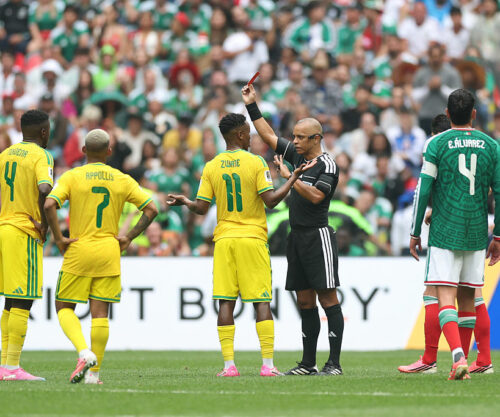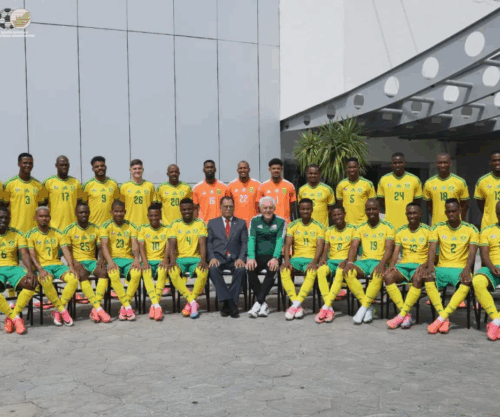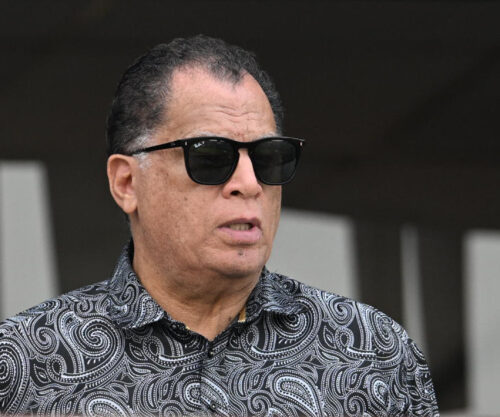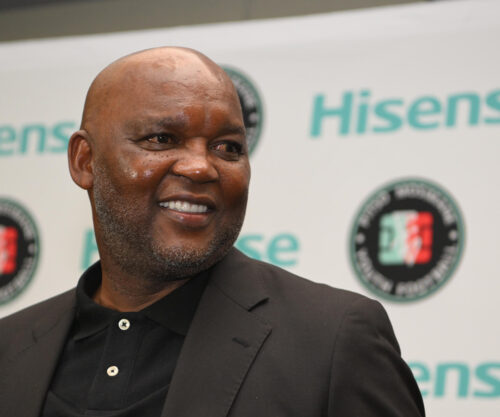
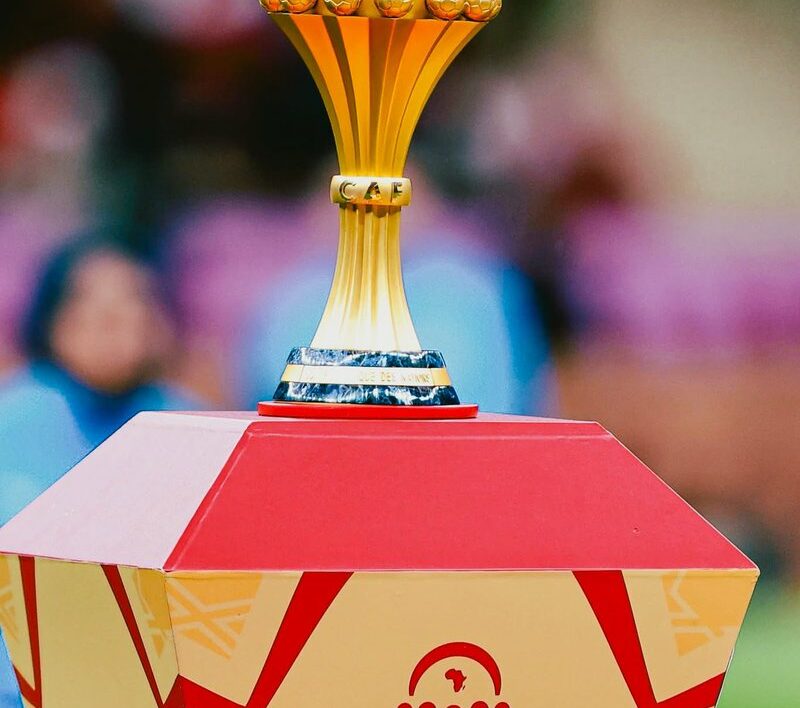
South Africa is officially throwing its hat back into the continental ring. And this time, the country isn’t going alone. Sport, Arts and Culture Minister Gayton McKenzie has confirmed that South Africa will submit a bid to host the 2028 Africa Cup of Nations and is inviting neighbours Botswana and Namibia to join the effort.
It’s a move packed with ambition, regional pride and the promise of economic uplift at a time when the country is trying to reposition itself as a global events destination.
A bid born in Rabat and shaped by SA’s renewed confidence
Speaking at the Four Seasons Hotel in Rabat, where Morocco currently has the football world’s attention, McKenzie said the decision reflects government’s push to attract major international events as a way to stimulate growth.
For many locals, the announcement feels like déjà vu. South Africa has played host before, most notably the iconic 1996 AFCON and again in 2013 when it stepped in at short notice. Yet the region as a whole has rarely been given the spotlight. Only Angola joins SA as a Southern African host in the tournament’s long history.
McKenzie says the pattern needs to change.
“It’s our turn,” he insists. “We have the stadiums, the people and the capacity. Southern Africa cannot go another two decades without hosting AFCON.”
A region united: Why Botswana and Namibia matter
While South Africa boasts world-class sports infrastructure, its neighbours are still developing theirs. Bringing Botswana and Namibia into the bid signals more than logistics. It’s an expression of solidarity in a region often overshadowed by North and West Africa when major football events come around.
Government insiders say McKenzie has already begun mobilising meetings with his regional counterparts. SAFA, Botswana’s association and possibly Namibia’s federation are expected to submit their bids jointly, with backing from their respective governments.
Football fans from the region also expressed excitement at the idea of shared tourism gains, shorter travel distances and the possibility of giving smaller nations a moment on the continental stage.
A race against time as CAF deadline looms
CAF’s window to express interest closes next month. Morocco, fresh off its 2025 hosting duties, is reportedly eyeing 2028 as well. With the 2027 edition already awarded to East Africa’s Kenya, Uganda and Tanzania, McKenzie believes it is Southern Africa’s moment to push hard.
“They will need to make a very strong case for AFCON not to come here,” he says confidently.
Behind the scenes, officials are rushing to finalise costings, commitments and potential infrastructure upgrades. Stadiums like FNB, Moses Mabhida and Cape Town Stadium are expected to form the backbone of the bid.
The economic gamble behind the bid
McKenzie argues that the bid aligns with the country’s improved economic momentum. South Africa’s GDP grew by 0.5 percent in the third quarter of 2025, marking four consecutive quarters of gains. Inflation has dropped to its lowest levels in years and the rand has shown signs of stabilising.
Hosting AFCON in 2028 would inject billions into tourism, hospitality, broadcasting and transport. Jobs in construction, events and services could follow.
“Some people say stop playing small,” McKenzie adds. “We are not a small country. This tournament will show that Southern Africa is ready to take up space.”
Economists say that while the country is still battling unemployment and uneven growth, a high-profile continental event could help sustain recent improvements, especially if managed responsibly.
A chance to remind Africa what Southern Africa can deliver
AFCON has travelled across the continent since 2013, touching Central Africa, West Africa and North Africa. For many fans, this long absence from Southern African soil feels overdue for correction.
There’s a sense of nostalgia too. The 1996 tournament remains one of the most beloved moments in South African sport, when Bafana Bafana lifted the trophy on home ground. A 2028 edition could offer a new generation that same electric atmosphere.
Whether CAF agrees is another story. But for now, the bid signals something important: renewed belief.
South Africa is ready to lead again, and this time, the region is pulling up a chair at the same table.|
Read more football news and updates on: soccermag and africapicks
Source: SABC Sport
Featured Image Source: SportPesa on X