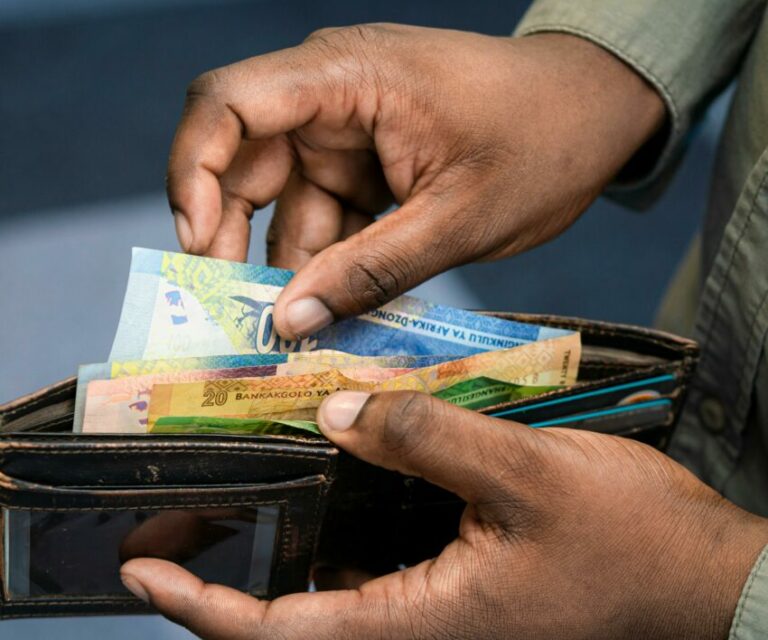
For many South Africans, payday feels like a brief moment of relief before financial stress quickly returns. One minute your bank account looks healthy, and a few days later, most of your salary is gone. With rising living costs, debt repayments and everyday expenses increasing, it’s becoming harder to make money last until month-end.
Also see: Smart money habits worth adopting
The good news is that a few practical money habits can help you regain control of your finances and stop living from payday to payday.
The real reason your money vanishes
In many cases, the issue is not necessarily how much you earn, but how you spend. Small daily purchases, impulsive online shopping and subscription services can quietly drain your account without you noticing.
Many South Africans also rely heavily on credit cards, store accounts and buy-now-pay-later services to bridge the gap between salaries. While these tools can help in emergencies, they often create a cycle where a large portion of your income goes towards repayments before you even start spending for the month.
Lifestyle inflation is another common problem. As salaries increase, spending often rises too. Upgrading phones, eating out more often or financing a more expensive car can leave little room for savings.
Why budgeting still matters
Budgeting may sound old-fashioned, but it remains one of the most effective ways to manage money. A simple budget helps you track exactly where your salary goes each month and identify unnecessary spending.
Financial experts often recommend the 50/30/20 rule:
50% for needs such as rent, transport and groceries
30% for wants and entertainment
20% for savings or debt repayment
Even if you cannot stick to these percentages perfectly, having a plan creates awareness and helps prevent overspending.
Also see: Small lifestyle changes that save more money than you think
Smart ways to stretch your salary
One of the easiest ways to improve your finances is to automate your savings. Moving money into a savings account on payday reduces the temptation to spend it.
It also helps to:
– Limit impulse purchases
– Cancel unused subscriptions
– Cook at home more often
– Avoid shopping when stressed or bored
– Use cash for discretionary spending
Another important step is building an emergency fund. Unexpected costs such as car repairs or medical bills can quickly derail your finances if you do not have savings set aside.
Small changes make a big difference
Fixing your finances does not require a massive salary increase. In many cases, consistent small changes lead to long-term financial stability. By spending more intentionally and planning ahead, you can make your salary last longer — and reduce the stress that often comes with waiting for the next payday.
Also see: Ways to be money-wise in 2026
Be the first to know – Join our WhatsApp channel for content worth tapping into. Click here to join!