For years, strength has been the word most often used to describe women. Strong mothers. Strong leaders. Strong survivors. Strong enough to cope, to juggle, to endure. But what happens when strength stops being a choice and starts feeling like an expectation?
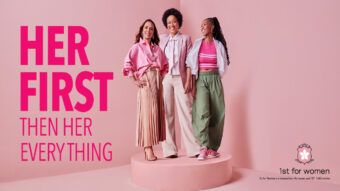
That’s the question at the heart of First for Women’s Her First, Then Her Every thing campaign.
Through national research and a poll of Bona readers, First for Women uncovered a reality many South African women know all too well: women are praised for their resilience, but quietly worn down by the pressure to always hold everything together.
The weight behind the ‘strong woman’ label
Insights from more than 4,000 women reveal a clear pattern. While women value independence, ambition, and courage, many feel burdened by the idea that they must always be coping. More than 90% say others assume they can handle everything because they’re resilient, and 68% admit they are far harder on themselves than anyone else is.
The poll echoed this sentiment. Most women said they rarely put themselves first. Their needs come last. Rest is postponed. Self-care is negotiated, if it happens at all. Strength is admired, but support often isn’t.
When strength comes at a cost
Financial independence remains central to women’s sense of security, with 88% saying it’s essential to their happiness. Yet more than six in ten lack the financial flexibility to pursue their goals confidently. In this context, strength becomes something women perform under pressure, rather than something that sustains them.
Emotionally, the load is just as heavy. Two-thirds of women say they’re expected to keep everything together daily, while 68% report that others rely on them emotionally, financially or socially every single day. Little space is left for rest, reflection or softness, not as luxuries, but as basic needs.
Still, a quiet shift is underway. Nearly 60% of women strongly agree that the right to exhale is just as important as the drive to achieve. Yet 43% say they rarely get uninterrupted time for themselves. The desire for balance exists; the permission to claim it often doesn’t.

Being seen, not simplified
The Her & Now Report also highlights a gap in representation. While some women feel reflected in entertainment, far fewer feel truly seen in advertising or South African media. Almost half say they feel only ‘somewhat’ represented – visible, but not fully understood.
When Bona readers were asked what it takes for a brand or service to truly see them, the answer was clear: respect, authenticity and recognition of their full reality, not just what they do, but who they are.
Her first, then her every thing
This is where First for Women’s Her First, Then Her Every thing campaign finds its purpose. It’s not about lowering ambition or redefining success. It’s about reordering the conversation.
Putting her first means acknowledging that strength includes rest, that resilience needs support, and that women can be both capable and tired. Built by women, for women, First for Women believes service goes beyond insurance; it’s about how women are seen, respected and supported. This commitment was recognised at the 2024/25 Ask Afrika Orange Index® Awards, where First for Women received Best Service in the Short-Term Insurance Industry.
The shift is already happening. Women aren’t asking to be seen as endlessly strong anymore. They’re asking to be seen fully. And when we start with her, her needs, her safety, her reality – everything else can follow.
Website: firstforwomen.co.za
Facebook: 1stforWomen
Twitter: @firstforwomen
Instagram: @1stforwomen
YouTube: @firstforwomen
Also see:
Picture: Supplied.