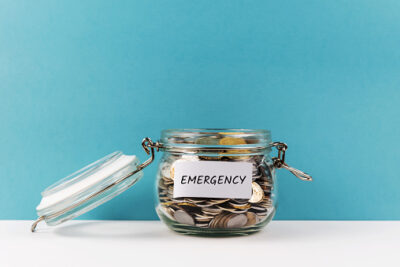
Unexpected expenses can happen at any time, whether it’s a medical bill, car repair or sudden job loss. That’s why building an emergency fund is one of the smartest financial moves you can make.
According to Old Mutual, saving money to cover the cost of emergencies is one of the best ways to manage your finances. Ideally, your emergency savings should cover three to six months’ worth of essential living expenses, but the key is to start with manageable goals and build momentum.
Also see: National Savings Month: Choose the right stokvel to maximise your savings
Set a realistic savings target
Rather than aiming for a large amount immediately, break your goal into smaller milestones. Saving your first R5,000 or R10,000 feels more achievable and keeps you motivated. Once you’ve reached that target, continue building towards a larger emergency fund.
Automate your savings
One of the fastest ways to grow an emergency fund is to make saving automatic. Schedule a transfer into a dedicated savings account as soon as your salary is paid.
According to Sanlam Advice, having a debit order set up for your emergency fund contributions is one of the best ways to ensure you will pay yourself first, before any other expenses. Treating savings like a monthly bill helps you stay consistent and reduces the temptation to spend the money elsewhere.
Cut back on non-essential spending
Review your monthly expenses and identify areas where you can temporarily reduce spending. Dining out less often, cancelling unused subscriptions or limiting impulse purchases can free up extra cash. Even small savings add up over time.
Also see: How your emotions are quietly wrecking your finances
Boost your income
If possible, consider taking on freelance work, selling unwanted household items or using a side hustle to generate extra income. Direct any additional earnings straight into your emergency fund rather than using them for discretionary spending.
Keep your emergency fund separate
Store your savings in an account that’s easy to access when needed but separate from your everyday banking account. This helps reduce unnecessary withdrawals while ensuring the money is available during genuine emergencies.
Building an emergency fund takes discipline, but every contribution brings greater financial security. Starting today, even with a modest amount, can make a meaningful difference when life’s unexpected costs arise.
Also see: National Savings Month: Why financial resilience has never been more important
Be the first to know – Join our WhatsApp channel for content worth tapping into. Click here to join!