
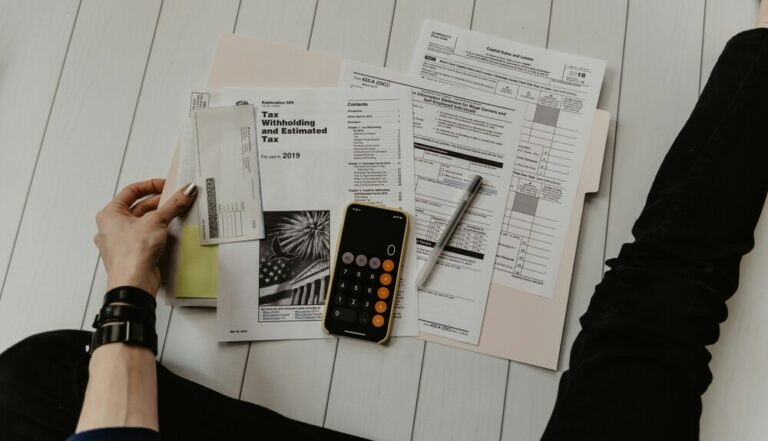
Financial anxiety is becoming increasingly common, especially as the cost of living continues to rise and income pressure affects households across South Africa. While money stress can feel overwhelming, building a few consistent financial habits can help create stability, confidence, and peace of mind over time.
Also see: Side Hustles South African Men Can Start With Little Money (2026 Guide)
Here are practical money habits that can help reduce financial anxiety and improve your relationship with money.
1. Create a simple, realistic budget
One of the biggest causes of financial stress is not knowing where your money goes. A basic budget helps you take control instead of guessing.
Start by dividing your income into three main categories:
- Essentials (rent, groceries, transport)
- Wants (entertainment, dining out)
- Savings or debt repayment
Even a simple structure can reduce uncertainty and give you clarity about your financial situation.
2. Track your spending regularly
Many people underestimate how small purchases add up. Tracking your spending helps you identify patterns and unnecessary expenses.
You don’t need complicated tools—notes on your phone or a basic budgeting app is enough. The goal is awareness, not perfection.
3. Build an emergency fund
Unexpected expenses are a major trigger for financial anxiety. Having even a small emergency fund can provide a sense of security.
Start small if needed—saving consistently, even in small amounts, builds momentum. Over time, this fund can cover emergencies like medical bills, car repairs, or temporary income loss.
4. Avoid lifestyle pressure
Social media can create pressure to spend beyond your means. Constant comparison often leads to unnecessary financial stress.
Focusing on your own goals instead of external expectations helps you make better financial decisions and reduces emotional spending.
Also see: Why a “money date” is a must-have
5. Automate your savings
If saving feels difficult, automation can help. Setting up automatic transfers to a savings account ensures consistency without relying on willpower.
This habit helps you build savings quietly in the background while reducing the temptation to spend.
6. Pay off high-interest debt first
Debt can be a major source of financial anxiety, especially when interest accumulates quickly.
Prioritising high-interest debt reduces long-term pressure and frees up more money for savings and essentials.
7. Separate needs from wants
Before making a purchase, pause and ask: Is this a need or a want?
This simple habit can reduce impulse spending and help you stay aligned with your financial goals.
8. Talk about money openly
Financial stress often feels heavier when kept private. Talking to trusted friends, partners, or financial advisors can provide new perspectives and reduce emotional pressure.
You don’t have to figure everything out alone.
9. Focus on progress, not perfection
Improving your financial health is a journey. Small, consistent steps matter more than drastic changes that are hard to maintain.
Even reducing one unnecessary expense or saving a small amount regularly is progress worth acknowledging.
Financial anxiety is real, but it can be managed with structure, awareness, and small daily habits. The goal is not to be perfect with money, but to build enough stability that you feel more in control and less overwhelmed. With time, these habits can shift your mindset from financial stress to financial confidence.
Also see: Ways to be money-wise in 2026
Be the first to know – Join our WhatsApp channel for content worth tapping into. Click here to join!