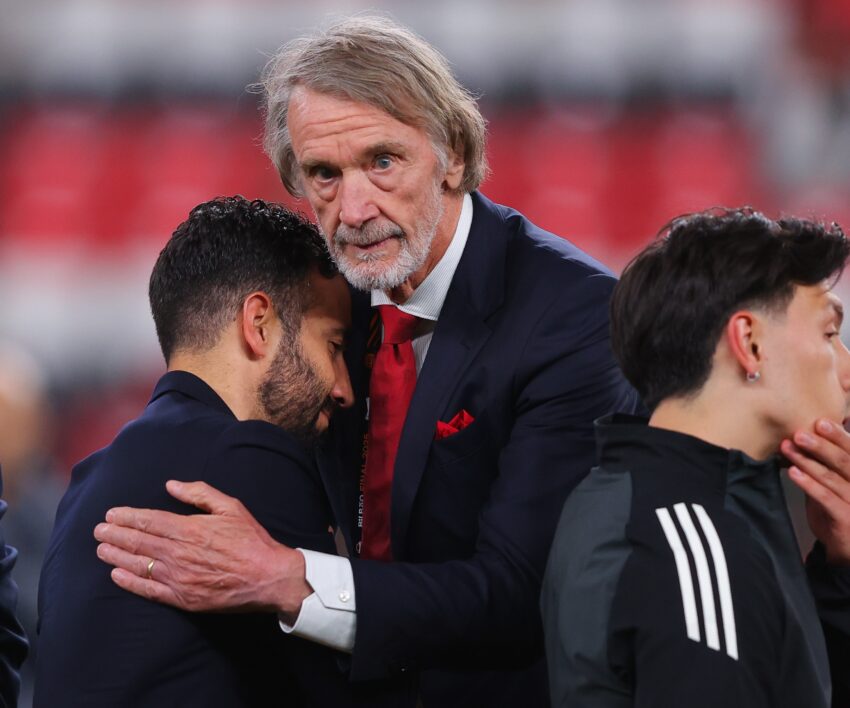
There was supposed to be a reset at Old Trafford. A clean break from years of drift, mixed messages, and mounting frustration. When Manchester United confirmed Jim Ratcliffe as co-owner with control of football operations, supporters spoke about “competence” and “long-term vision” again.
Less than two years later, that optimism feels fragile. The dismissal of Ruben Amorim has only sharpened the uncomfortable truth that United’s decline has not been halted, merely rebranded.
Another Manager, Same Old Problems
Amorim’s exit follows a pattern United fans know all too well. Since Alex Ferguson retired in 2013, the club has cycled through big names, bold ideas, and expensive promises, with little to show for it on the pitch.
Amorim was meant to be different. Young, modern, tactically sharp, and backed by a new football structure under Ratcliffe. Yet after 14 months, he departs with United still drifting, stuck in mid-table conversations instead of title debates.
On social media, the reaction was weary rather than shocked. Many supporters questioned whether another managerial change solves anything when the problems feel deeper and more structural.
Patience Promised, Then Abandoned
Ratcliffe had publicly insisted United would avoid knee-jerk decisions. Amorim, he said, would be given time. That message did not survive poor results and internal tension.
United managed just one win in their last five home league matches, and reports of disagreements with director of football Jason Wilcox over tactics and recruitment added pressure behind the scenes. By Monday, the promised patience was gone.
For fans, this felt uncomfortably familiar. Different ownership influence, same sense of panic when results dip.
From Mediocrity To Missed Targets
Ratcliffe has been blunt about the state of the club, once admitting United had become “mediocre”. The numbers back him up.
A 15th-place finish in the 2024/25 season marked the club’s lowest top-flight position since relegation in 1974. European football was missed for only the second time in 35 years, a financial and symbolic blow.
This season offered slight improvement, but Amorim leaves with United 17 points behind leaders Arsenal after 20 games. The gap to the top remains vast, even if the top four is still mathematically possible.
Recruitment Questions Refuse To Go Away
Transfers were meant to signal a new era, yet clarity remains elusive. Signings made before Ratcliffe’s arrival continue to underwhelm, while new additions have not transformed the side.
The summer attacking trio of Benjamin Sesko, Matheus Cunha and Bryan Mbeumo has delivered just 12 league goals between them so far. Financial sustainability rules now limit United’s ability to spend their way out of trouble, increasing pressure on every decision.
Online, fans have been vocal about recruitment strategy, with many arguing the club still lacks a clear football identity.
Off-Field Ambition, On-Field Reality
Away from the pitch, Ratcliffe’s vision is bold. Plans for a 100,000-seater stadium to replace Old Trafford promise the “world’s greatest football stadium”, but timelines remain uncertain.
At the same time, ticket price increases and job cuts have sparked criticism, especially when results continue to disappoint. For supporters starved of success, being asked to pay more has been a bitter pill.
A Familiar Crossroads
Manchester United have been here before. A manager gone, a project reset, and big questions about what comes next.
Ratcliffe’s ambitions are undeniable, but ambition alone has not been enough to restore United’s former dominance. Until results on the pitch begin to match the scale of the plans off it, this latest chapter risks blending into the long, frustrating story of post-Ferguson decline.
For now, the reset button has been pressed again. Whether it finally leads somewhere different remains the question haunting Old Trafford.
Source: Super Sport
Featured Image Source: United Stand MUFC on X
Read more: How Ruben Amorim’s Man Utd reign turned sour on soccermag