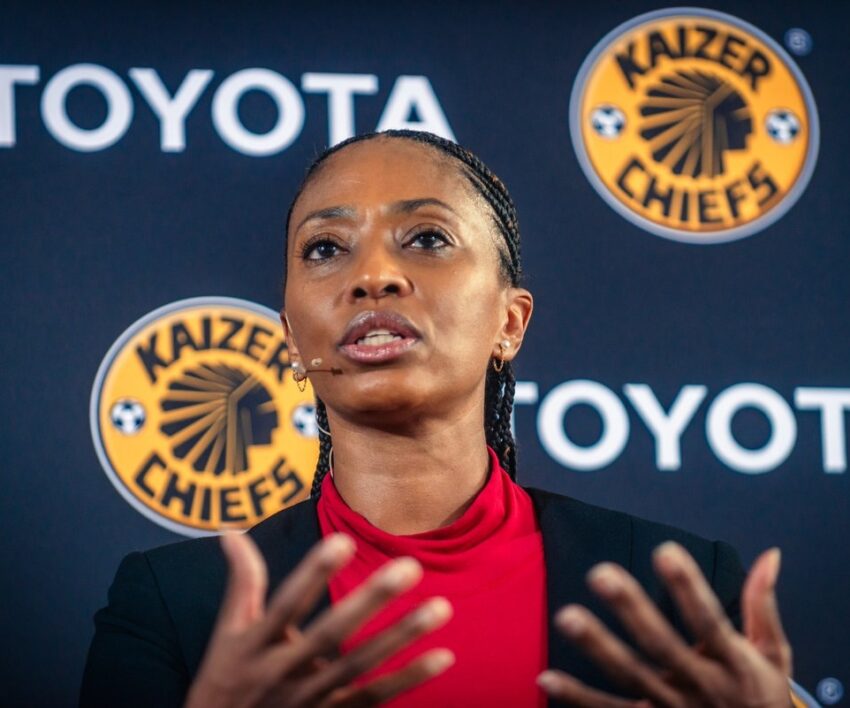
Kaizer Chiefs have always been more than just a football club. They’re a cultural powerhouse, a brand that carries decades of heritage, style, and star power. But with that influence comes a complicated modern reality: image rights. And according to marketing director and board member Jessica Motaung, this world is becoming more dynamic and legally sensitive than ever before.
Why Image Rights Matter in South African Football
In the Premier Soccer League, image rights have become a major talking point, especially as young stars turn into household names almost overnight. The rise of social media, player influencer deals, and digital campaigns has created new revenue streams. At the same time, it has brought new risks.
Motaung says Chiefs have had to adopt a tailored system that protects both the club and its players. For a brand as iconic as Amakhosi, this isn’t just paperwork. It’s safeguarding the club’s identity while giving players room to grow their own.
How Chiefs Structure Their Agreements
Instead of a one-size-fits-all model, Chiefs negotiate individual image rights agreements that outline exactly how a player’s likeness can be used.
“We take the image of a player, which includes their likeness and nickname, and we pay them a fee for using it commercially,” Motaung explained. Players also commit to appearances, promotional activities, and photo usage as part of the agreement.
The key, she says, is fairness. Chiefs never want a deal where the club benefits at the player’s expense.
Helping Young Players Navigate Brand Deals
In true South African football fashion, many Chiefs youngsters rise from development into stardom fast. Suddenly they are approached by brands, social media campaigns, and influencers who want to collaborate. That excitement can be overwhelming.
Motaung says Chiefs insist players disclose potential endorsement deals, partly to check for conflicts, but also to protect them.
“It’s an educational process,” she said. “There is a lot of ambush marketing happening, so we have to monitor our players.”
From boot sponsors to energy drink deals, young footballers often don’t realise how easily they could land in legal trouble if they sign the wrong contract. Chiefs step in early to guide them through the fine print.
The Taxman Is Watching
One element many fans may not realise is how tightly image rights are monitored by government. Motaung notes that SARS has taken a keen interest because player branding generates real money in modern sport.
“Image rights are taxed, and the government knows this is a key part of the sporting sector,” she said.
For players, that means greater responsibility. For Chiefs, it means maintaining a compliance system that avoids unnecessary risks.
A New Era of Football Business
As South African football continues to grow, image rights are no longer an afterthought. They’re becoming part of a player’s identity, career planning, and financial health.
Jessica Motaung’s message is clear: Chiefs want their players to thrive commercially, but they also want to protect them. And for a club with Amakhosi’s brand power, that careful balance might be the key to staying ahead in an evolving football landscape.
Source: SABC Sport
Featured Image Source: Unplayable ZA on X
Read more: Chiefs, Stellies target big CAF statement on soccer mag
Read more: CAF Confederations Cup – Chiefs, Stellies deliver prime betting value on africa picks