Hugo Broos sounds the alarm after AFCON exit
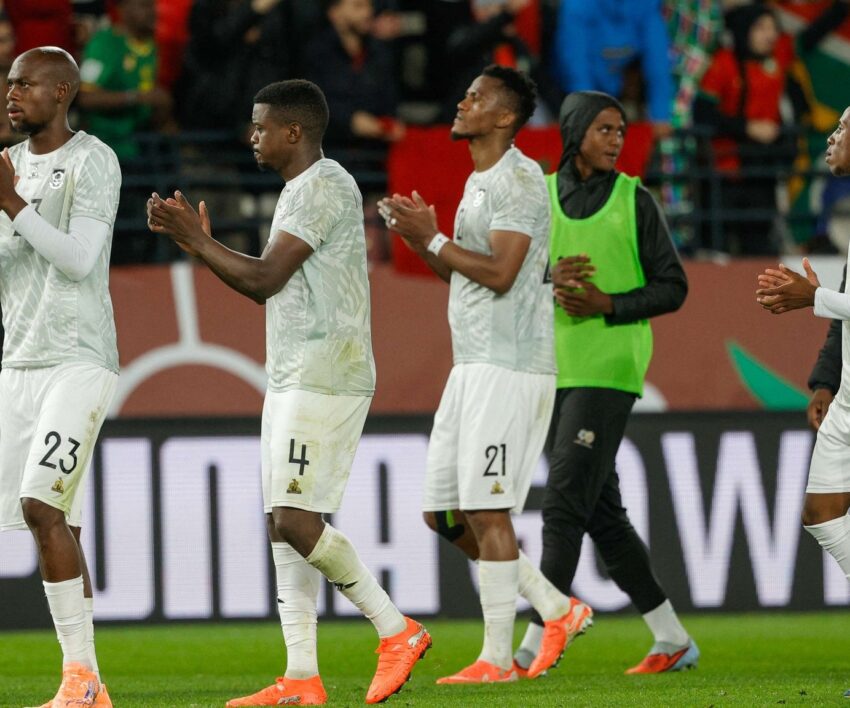
When Bafana Bafana’s Africa Cup of Nations journey ended at the hands of Cameroon, the post-match conversation quickly moved beyond tactics, substitutions, or missed chances. For head coach Hugo Broos, the problem runs much deeper and it starts at home.
Speaking candidly after South Africa’s elimination, Broos made it clear that the national team is fighting an uphill battle on the continental stage. His concern is not a lack of effort or commitment, but a structural disadvantage that continues to hold Bafana back when they face Africa’s heavyweights.
Why the PSL debate refuses to go away
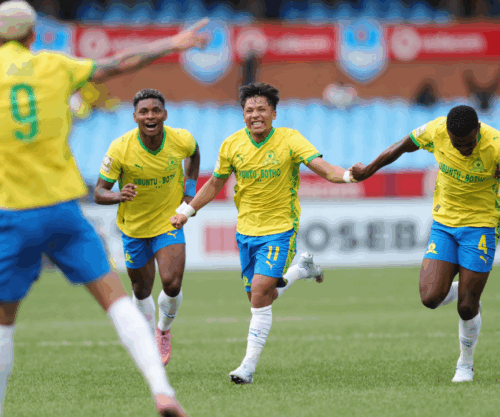
The bulk of South Africa’s AFCON squad was drawn from the domestic league, with players coming mainly from Orlando Pirates and Mamelodi Sundowns. While the Premier Soccer League remains one of the strongest competitions on the continent, Broos believes it does not consistently replicate the intensity and tactical demands found in Europe’s top leagues.
That contrast was highlighted sharply against Cameroon, a side filled with players competing week in and week out in high-pressure European environments. Broos pointed to teenage striker Christian Kofane, who is already on the books of Bayer Leverkusen, as an example of how early exposure to elite football can fast-track development.
The European gap Broos wants closed
South Africa did have a handful of Europe-based players at AFCON. Names like Lyle Foster at Burnley, Siyabonga Ngezana in Romania, and Shandre Campbell at Club Brugge added international experience to the squad. But Broos feels the numbers are simply not enough.
In his view, occasional exposure through international friendlies or tournament matches cannot replace the week-to-week grind of competing in tough overseas leagues. The gap, he argues, only narrows when players are constantly challenged at a higher level.
World Cup dreams and realistic expectations
With the 2026 FIFA World Cup on the horizon, co-hosted by the United States, Mexico and Canada, Broos has tried to temper expectations. His message is not one of pessimism, but realism. Progress, he insists, will not come through miracles or short-term fixes.
Instead, the long-term solution lies in creating pathways for more South African players to test themselves abroad, mature in demanding competitions, and return to the national setup sharper and more resilient.
Backing from the top
Despite frustration around the AFCON exit, Broos has received firm backing from Sports Minister Gayton McKenzie, who has publicly dismissed calls for a coaching change. McKenzie credited Broos with restoring structure and belief within Bafana Bafana and warned against the cycle of constantly replacing coaches.
For now, Broos remains firmly in charge, with his focus already shifting to World Cup preparations and a longer-term vision for South African football.
A crossroads moment for Bafana Bafana
Broos’ comments have once again reignited an uncomfortable but necessary conversation about the state of the local game. The PSL continues to produce talented footballers, but the question remains whether staying local for too long limits their ceiling at international level.
As South Africa looks ahead to 2026, the challenge is clear. If Bafana Bafana want to compete consistently with Africa’s best, more players may need to take the difficult step beyond local comfort zones and into the tougher testing grounds Broos believes are essential for growth.
Source: Goal ZA
Featured Image Source: Shakes Rampedi on X
Read more football news and updates on: soccermag and africapicks