SONA 2026: Seven moments that could shape South Africa’s next chapter
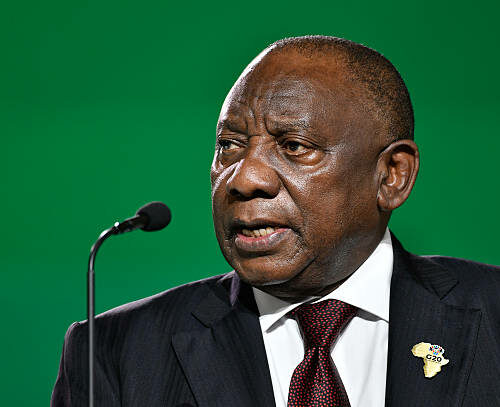
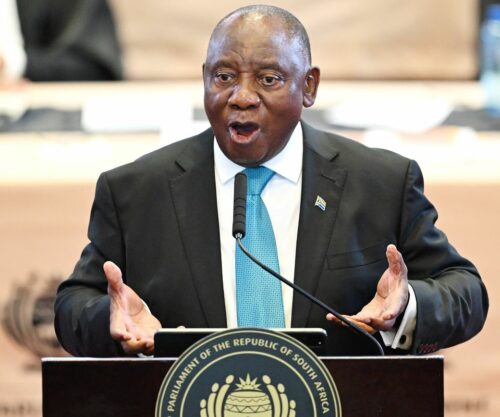
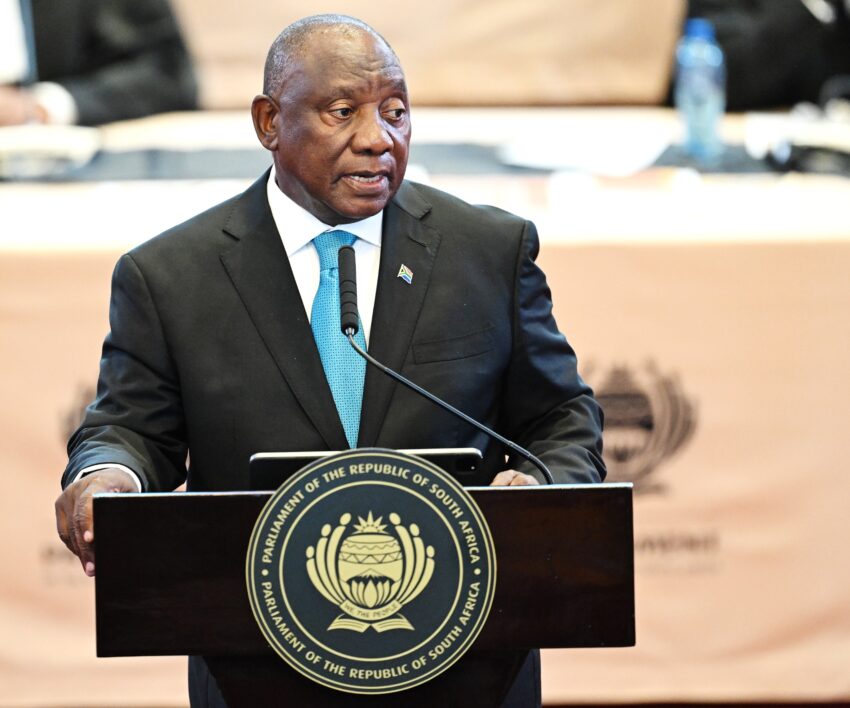
When Cyril Ramaphosa rose to deliver the State of the Nation Address on Thursday night, the mood in Parliament and across the country felt different.
This wasn’t just another speech filled with policy jargon. It came at a time when South Africans are measuring promises against lived reality: dry taps, rising food prices, safer streets that still feel unsafe, and an economy that’s technically improving but not yet transforming lives.
Here are seven key moments from SONA 2026 and what they really mean on the ground.
1. The economy is recovering, but not fast enough
Ramaphosa painted a cautiously optimistic picture. GDP growth has picked up. Inflation has eased. Investor confidence is strengthening. Credit ratings are improving.
Perhaps most significantly for ordinary households: load shedding has ended.
Reforms under Operation Vulindlela continue, and infrastructure investment is gaining momentum. But the President was clear, growth remains too slow to meaningfully dent unemployment and poverty.
For millions still job hunting, “recovery” is a word that hasn’t yet translated into paydays.
2. Three priorities for a new political era
With the Government of National Unity now in place, the administration outlined three strategic pillars:
-
Inclusive economic growth and job creation
-
Reducing poverty and the cost of living
-
Building a capable, ethical and developmental state
It’s a clear attempt to reposition government around delivery rather than ideology. Social media reaction overnight was mixed some praised the focus on practical governance, while others questioned whether coalition politics will slow decision-making.
The real test? Implementation.
3. Organised crime named as the biggest threat
In one of the strongest security statements of the evening, organised crime was described as the top threat to democracy and economic development.
Government plans include:
-
Stronger intelligence coordination
-
Specialised intervention teams
-
Increased police recruitment
-
Military deployment to support SAPS in gang-affected areas
-
Strengthened anti-corruption reforms
-
Enhanced whistle-blower protection
For communities plagued by extortion rackets, construction mafia disruptions and gang violence, this acknowledgment matters. But South Africans have heard tough-on-crime rhetoric before. What they’re watching for now is visible impact.
4. Water shortages officially declared a national crisis
Water, once seen as a municipal issue, is now firmly a national emergency.
Failing infrastructure, poor maintenance and governance breakdowns were identified as central causes of outages. A National Water Crisis Committee will coordinate interventions, alongside major infrastructure funding.
Importantly, Ramaphosa signalled stricter accountability. Municipal failures could lead to criminal charges.
In provinces like Gauteng and parts of the Eastern Cape, where residents have endured repeated water cuts, this was one of the most closely followed sections of the speech. Online, many welcomed the tougher stance but skepticism remains high.
5. Local government shake-up on the horizon
The President did not mince words: many municipalities are failing.
Structural reforms are planned, including stronger oversight, merit-based appointments and clearer division of responsibilities between municipalities.
National government will intervene faster where service delivery collapses.
This signals a more assertive central government approach something long debated in policy circles. If implemented effectively, it could redefine how local governance functions in South Africa.
6. A trillion-rand infrastructure push
One of the headline announcements: over R1 trillion in infrastructure spending over the next three years.
Priority sectors include:
-
Renewable energy
-
Logistics
-
Agriculture
-
Tourism
-
Mining
-
The green economy
Private investment and public-private partnerships will be key drivers.
In practical terms, this is about roads that work, ports that move goods efficiently, rail networks that unlock trade, and energy systems that keep the lights on. If delivered, this could stimulate jobs across supply chains.
The scale is ambitious and ambitious plans often define presidencies.
7. Betting on future industries and small businesses
Looking ahead, government is backing green manufacturing, digital infrastructure and critical minerals.
Tourism and agriculture are expanding export markets, while funding reforms aim to make it easier for small and medium businesses to grow and hire.
For entrepreneurs navigating red tape and rising operating costs, regulatory reform could be just as important as financial support.
There’s also a broader narrative here: positioning South Africa not just as a resource economy, but as a competitive player in emerging global industries.
Hope meets hard reality
SONA 2026 wasn’t short on vision. It presented a country stabilising after years of crisis economically improving, structurally reforming, and determined to clamp down on crime and corruption.
But South Africans have grown cautious.
Across WhatsApp groups and community forums last night, the recurring question wasn’t whether the plans sound good. It was whether they will be delivered differently this time.
The President has laid out a roadmap. Now comes the harder part: proving that the promises in Parliament translate into progress in people’s homes.
Because in 2026, optimism alone is no longer enough.
Source: Joburg ETC
Featured Image: X{@eNCA}