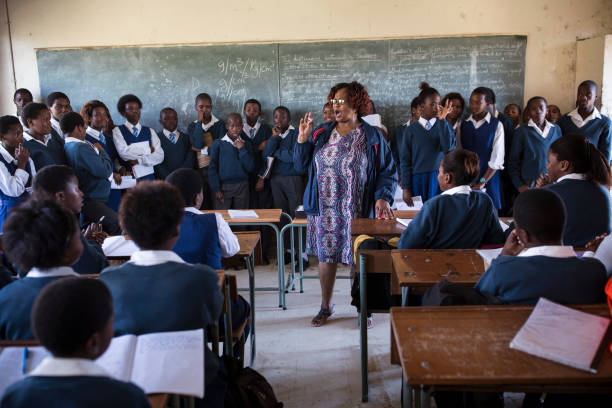
As schools have just reopened and learners are returning to the classroom, there is an important factor that needs to be acknowledged. Many schools across the country are facing a shortage of teachers.
This crisis isn’t always visible in matric pass rates or official press statements, but it shows up in classroom ratios, departures from the profession and workforce demographics. South Africa is facing a severe teacher crisis.
A 2024 study revealed that there were 31,462 vacant teacher posts across state schools, representing a 28% increase over three years. The figure included more than 7,000 vacancies in KwaZulu-Natal, over 6,100 in the Eastern Cape and nearly 5,000 in Limpopo.
PSA warns that growing SA teacher shortage could affect learning quality https://t.co/OYbfyiNXrx pic.twitter.com/4csxQXajKT
— Eyewitness News (@ewnupdates) October 6, 2025
These staggering numbers were a shock to a country that is facing so much unemployment. Putting it into perspective, these numbers translate into overcrowded classes, overextended teachers, and diminished learning time.
The Department of Basic Education’s own National Recruitment Database listed at least 12,700 qualified, unemployed educators in 2025, ready for deployment. Late last year, the current Basic Education Minister, Siviwe Gwarube, reported that over 30,000 teachers had either resigned or were dismissed from public schools over the past five years, approximately 6,000 departures a year. These are huge numbers and are a cause for concern.
Teacher union groups warn that burnout and poor working conditions are accelerating losses. Overcrowded classrooms and increased workloads are affecting the quality of teaching.
Associations also report that stress and burnout contribute to higher sick leave and reported absentee days, with teaching staff taking days off due to physical and mental fatigue.
Also see: Back-to-school budgeting: how South African parents are coping with rising costs
Feature Image: Gettys