Employers Urged to Support Women in National GBV Protest
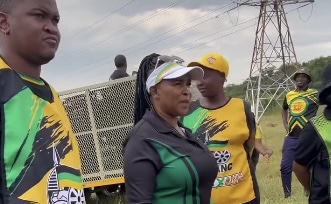
As South Africa continues to grapple with a gender-based violence crisis, activists are calling on employers to grant paid leave for women participating in the Women For Change (WFC) national shutdown on 21 November.
Songezo Zibi, leader of Rise Mzansi, emphasised that this is not a political issue. “This is about the safety and dignity of women and LGBTQI+ communities. South Africa is too violent for women. This is a crisis, a state of emergency, and we must respond. Men also need to take responsibility,” he said. Zibi urged all employers to support the initiative by providing paid leave, ensuring women can join the protest without jeopardising their income.
What the National Shutdown Involves
The WFC shutdown is a symbolic and powerful protest. Participants are asked to:
-
Withdraw all labour, whether paid or unpaid.
-
Refrain from spending money.
-
Take part in a 15-minute lie-down at noon, representing the average number of women murdered daily in South Africa.
This coordinated action aims to draw attention to the urgent need for government intervention and societal accountability in tackling femicide and gender-based violence.
Government Response: Sympathy or Action?
President Cyril Ramaphosa acknowledged the gravity of the crisis, describing it as “totally unacceptable” and urging citizens to participate. “We must respond because GBV is another pandemic,” he said, drawing parallels with the widespread impact seen during COVID-19.
However, WFC criticised the response as insufficient. “Why is it so hard to pull women and children into safety? Why is it so hard to declare GBV a national disaster?” they asked. The activists emphasised that women are demanding nothing extraordinary—simply the basic right to stay alive.
High-Profile Support Brings Visibility
The shutdown has received backing from national rugby captain Siya Kolisi, who encouraged fans to wear purple instead of green to show solidarity with women and highlight the urgency of the femicide crisis.
On social media, the campaign has gained momentum, with hashtags amplifying the message that GBV is a societal problem requiring collective action from all citizens, men and women alike.
A National Call for Accountability
South Africa’s femicide statistics remain alarming, and WFC’s shutdown represents a critical platform for awareness and action. Beyond symbolism, the protest calls for:
-
Structural change in government policy.
-
Community vigilance to protect vulnerable groups.
-
Workplace support so women can participate safely and without financial penalty.
Activists stress that tackling GBV requires societal commitment, urging employers, policymakers, and citizens to take the crisis seriously and ensure women are empowered to act without fear or disadvantage.
Source: Joburg ETC
Featured Image: X{@Supermarketmag}