Lesufi’s hotel shower remark ignites outrage in water-weary Gauteng
A comment meant to reassure has become a lightning rod
In a province where dry taps have become a weekly ritual, one sentence was all it took to tip public frustration into fury.
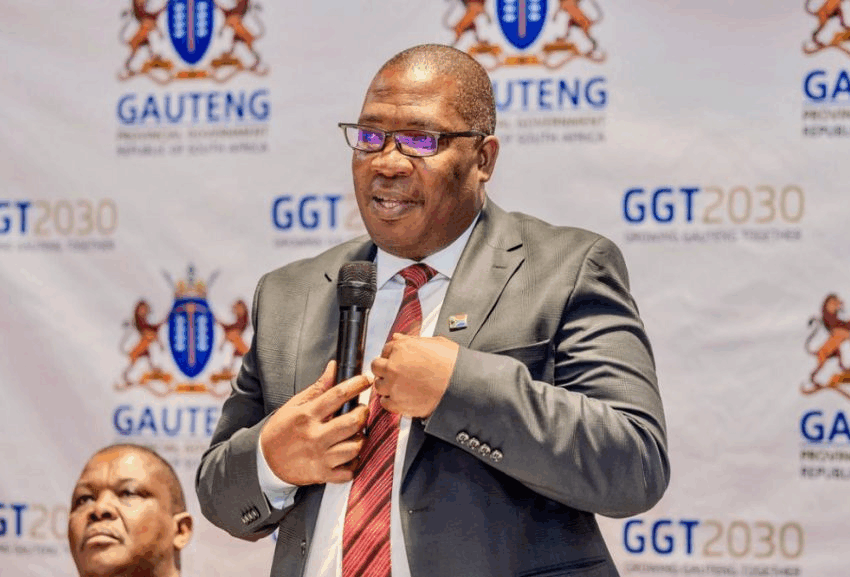
When Panyaza Lesufi told journalists that he sometimes goes to a hotel to shower during water cuts, just like any other resident trying to cope, he likely intended to show solidarity. Instead, the comment has become a symbol of what many see as political tone-deafness in the middle of a deepening service delivery crisis.
Yes, the premier apologised. But for many Gauteng residents, the damage feels lasting.
As political analyst Ntsikelelo Breakfast bluntly put it: what’s said cannot be unsaid.
“We suffer the same pain”, but do we?
Speaking during a media briefing on the ongoing water crisis in Johannesburg, Lesufi pushed back against the idea that political leaders are insulated from outages.
He said he and his family also endure water cuts and, in some cases, he has had to use a hotel shower before attending official engagements. Leaders, he insisted, “suffer the same pain.”
But that’s precisely where the problem lies.
For residents standing in long lines at communal taps, filling buckets from tankers or borrowing water from neighbours, a hotel shower isn’t a realistic coping strategy. It’s a reminder of the economic gap between those who govern and those who queue.
Political analyst Theo Neethling from the University of the Free State says remarks like this, even if unintended expose structural inequality. In a province where many cannot afford private backup water systems, let alone hotel stays, such comments amplify perceptions that leaders experience crises differently.
And perception, in politics, is everything.
Social media reaction: “Read the room”
Online, the reaction was swift and sharp.
On X (formerly Twitter) and Facebook, users described the remark as “out of touch” and “insensitive.” Some pointed out that even getting to a hotel requires transport money many families don’t have. Others questioned whether leaders truly grasp the emotional and financial strain of repeated outages.
Gauteng residents are not just frustrated about water. They’re exhausted, by rolling power cuts, rising food prices, crime and unemployment. In that climate, a comment that might once have passed unnoticed instead becomes a lightning rod.
The anger isn’t only about bathing. It’s about dignity.
A crisis of management, not scarcity
Another analyst, Gakwi Mashego, argues that the water crisis is less about physical shortages and more about governance failures.
Gauteng does not lack water in absolute terms, he says. The deeper problem is deteriorating river systems, insufficient infrastructure investment and sluggish responses to rapid urban population growth.
In other words, this crisis didn’t begin with taps running dry, it began years ago with neglected planning.
Mashego also frames the controversy within the shifting political landscape. The ANC no longer commands the dominance it once did in Gauteng or nationally. Voter rejection at the polls has already signalled dissatisfaction. Against that backdrop, casual remarks risk reinforcing the belief that political elites are disconnected from everyday realities.
Leadership in a province that decides elections
Gauteng is no ordinary province. It is South Africa’s economic engine and its most politically contested battleground.
When trust erodes here, it carries national consequences.
Neethling warns that during service delivery crises, leadership requires visible empathy and institutional accountability. When leaders highlight personal coping mechanisms instead of systemic solutions, attention shifts away from fixing the problem and toward questions of privilege.
That shift feeds cynicism and cynicism fuels voter disengagement.
In townships and suburbs alike, residents aren’t asking whether leaders can shower. They’re asking when infrastructure will be fixed, when communication will improve, and when outages will stop being the norm.
The deeper frustration beneath the outrage
There’s also a psychological layer to this backlash.
Water is basic. It’s not a luxury. When access becomes uncertain, it shakes a sense of stability. Over time, repeated outages create a feeling of abandonment that government systems are unreliable and promises temporary.
In that environment, even an innocent remark can sound like dismissal.
Lesufi may have intended to humanise himself. Instead, the image of a premier stepping into a hotel shower while residents juggle buckets has become political shorthand for inequality.
Can trust be rebuilt?
Apologies matter. But so do actions.
Political analysts agree that what happens next will determine whether this becomes a passing controversy or a lasting symbol of disconnect. Clear timelines, visible infrastructure upgrades and transparent communication could begin restoring confidence.
Because ultimately, this isn’t about one sentence at a press briefing.
It’s about whether residents of Gauteng believe their leaders truly share not just their inconvenience but their vulnerability.
And in a province that often decides South Africa’s political future, that belief may prove decisive.
Source: Joburg ETC
Featured Image: X{@SABCNews}