
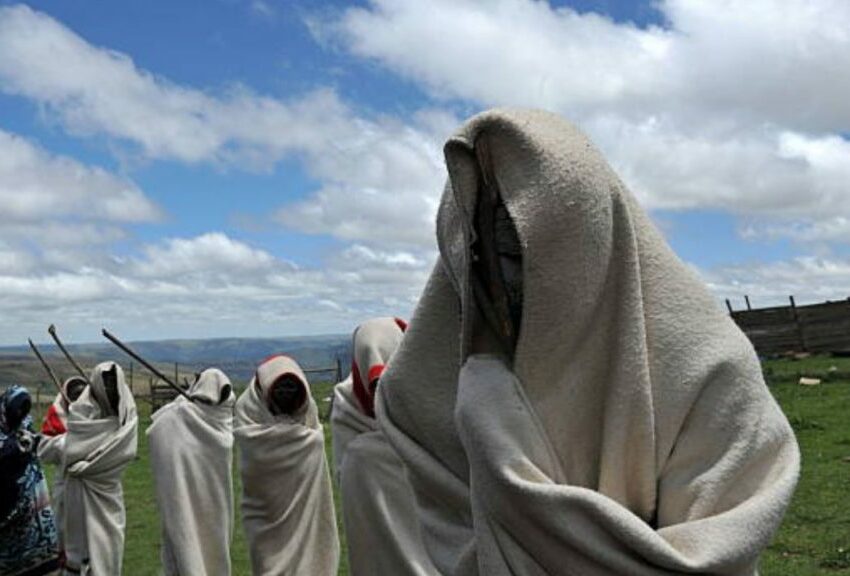
At least 41 young men have died during traditional circumcision ceremonies in South Africa over the past two months, authorities confirmed.
The fatalities occurred during initiation periods in November and December, which coincide with the summer school holidays, as reported by MSN.
The initiations are part of a long-standing cultural practice among Xhosa, Ndebele, Sotho, and Venda communities, where boys are isolated for weeks at initiation schools to learn discipline, cultural values, and social responsibilities. Circumcision is a key element of these rites of passage into manhood.
Despite legislation requiring all initiation schools to be registered and comply with health and safety regulations, illegal schools continue to operate widely.
According to reports, financial incentives drive many parents to enroll their children in unregulated schools or encourage the establishment of schools without trained staff.
Traditional Affairs Minister Velenkosini Hlabisa confirmed the deaths and stressed that negligence played a major role.
‘There is negligence in terms of meeting health standards in some of the initiation schools. If you take your child to an initiation school, you never make a follow-up, you do not monitor, you do not go there to see whether the child does drink water, you are placing your child at risk,’ Hlabisa said, as cited by Daily Mail.
Some initiates reportedly receive advice to avoid drinking water, based on unproven claims that it accelerates healing, a practice rejected by health experts.
The Eastern Cape province emerged as the most affected area this season, recording 21 of the 41 deaths.
Authorities have confirmed the arrest of 41 people in connection with illegal initiation schools, including parents who supplied false ages for their children to gain admission.
Under South African law, only boys aged 16 and above may attend initiation schools, with parental consent mandatory.
While traditional initiation remains an important cultural ritual, the recurring fatalities have raised serious concerns about safety and regulation.
Officials emphasise the need for strict adherence to medical and safety guidelines, as well as ongoing parental supervision during the initiation period.
Despite the risks, the practice continues across the country, often culminating in celebrations when initiates return to their communities.
Compiled by Lulama Klassen
First published on Cape {town} etc
Also see: Internet reacts to 41 year-old white man who returns from initiation school