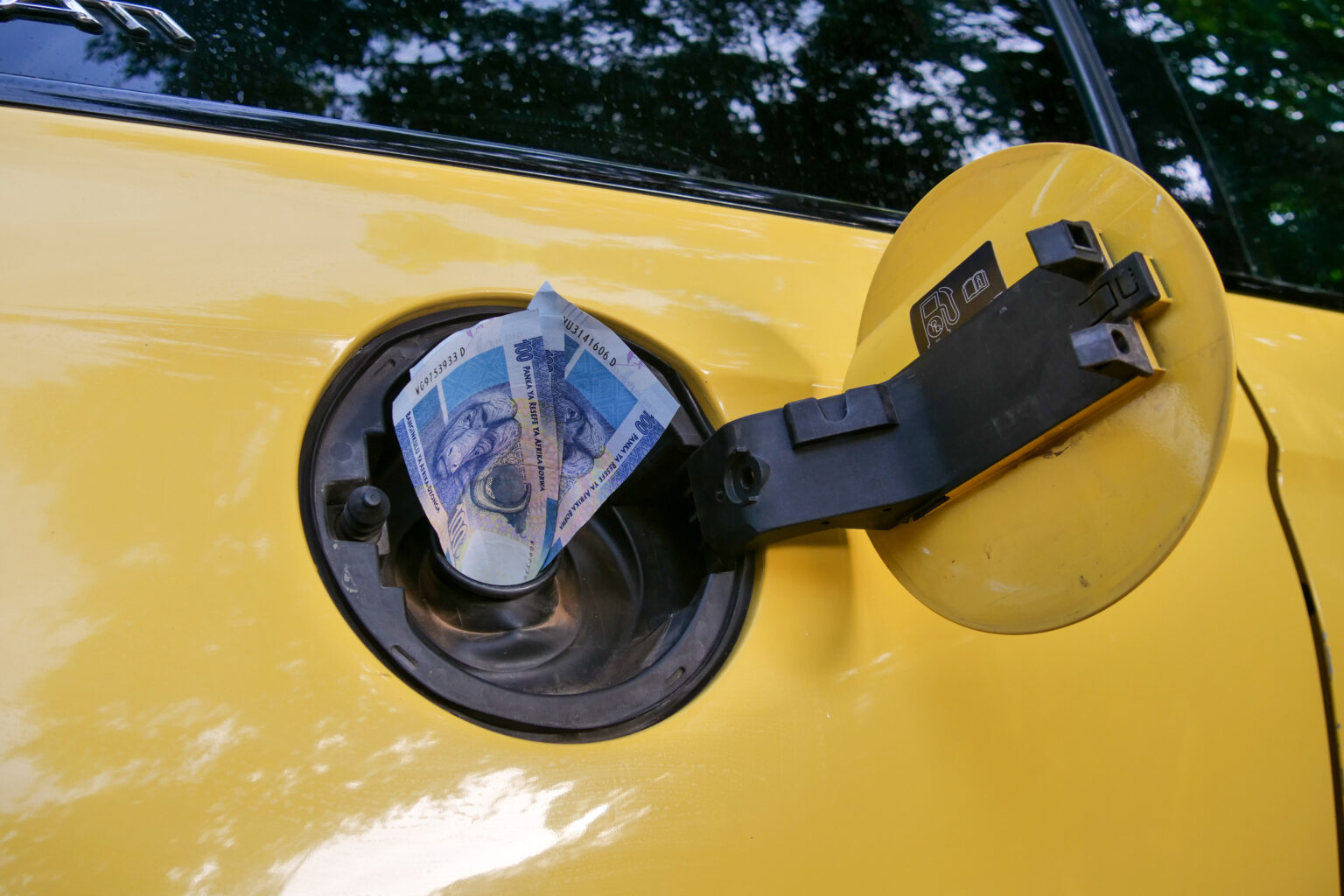
South African motorists and civil society groups have expressed widespread outrage following a proposal by the Road Accident Fund (RAF) to request a massive 33% increase in the RAF fuel levy.
Also see: FUEL LEVY HIKE LIKELY IN 2026 BUDGET DESPITE CHEAPER PETROL
The proposed adjustment would push the levy from its current rate to R3.00 per litre on petrol and diesel, as the state entity struggles to manage mounting liabilities and falling revenues.
Coming at a time when consumers are already burdened by historic fuel pump prices and broader cost-of-living pressures, the request has ignited intense public criticism regarding state expenditure and fund management.
Revenue deficits and operational strain
The RAF has attributed its financial difficulties to a combination of stagnant levy rates, rising inflation, and declining overall fuel consumption.
Having seen the fuel levy frozen at R2.18 per litre for several consecutive years, recent modest adjustments have failed to offset declining fuel sales volumes, which were heavily depressed by volatile global oil prices and ongoing Middle Eastern geopolitical conflicts.
With fuel levies accounting for approximately 99.4% of its total revenue, the fund reported a 4.6% year-on-year drop in net collections to R47.8 billion.
Management argues that without a substantial levy increase to R3.00 per litre alongside capital assistance from National Treasury, the fund cannot stabilise its critical insolvency position or cover its expanding lump-sum claims obligations.
@mybroadband 33% more on the RAF levy is a lot to swallow when every tank already hurts. Feels like motorists keep paying for the fund’s problems. Would be nice to see the claims backlog and admin sorted before they come asking for more.
— SA Facts🇿🇦 (@RealSaFacts) October 8, 2026
Also see: HOW TO CLAIM FROM ROAD ACCIDENT FUND
Public outcry and calls for systemic reform
The proposal has drawn sharp condemnation from consumer advocacy organisations, trade unions, and political parties who view the potential tax increase as an unsustainable burden on ordinary South Africans.
Critics contend that the financial distress of the RAF stems from chronic operational inefficiencies, legal backlogs, and structural mismanagement rather than a lack of public contributions.
Industry stakeholders have urged government leadership to reject the requested hike, advocating instead for comprehensive legislative reform, improved road safety enforcement, and alternative settlement models, such as periodic annuity payments, to restore fiscal sustainability without further taxing consumers at the pump.
Also see: RAF FINANCIAL STRAIN DEEPENS AMID R23.3 BILLION CLAIMS FROM FOREIGN NATIONALS
Be the first to know – Join our WhatsApp channel for content worth tapping into. Click here to join!