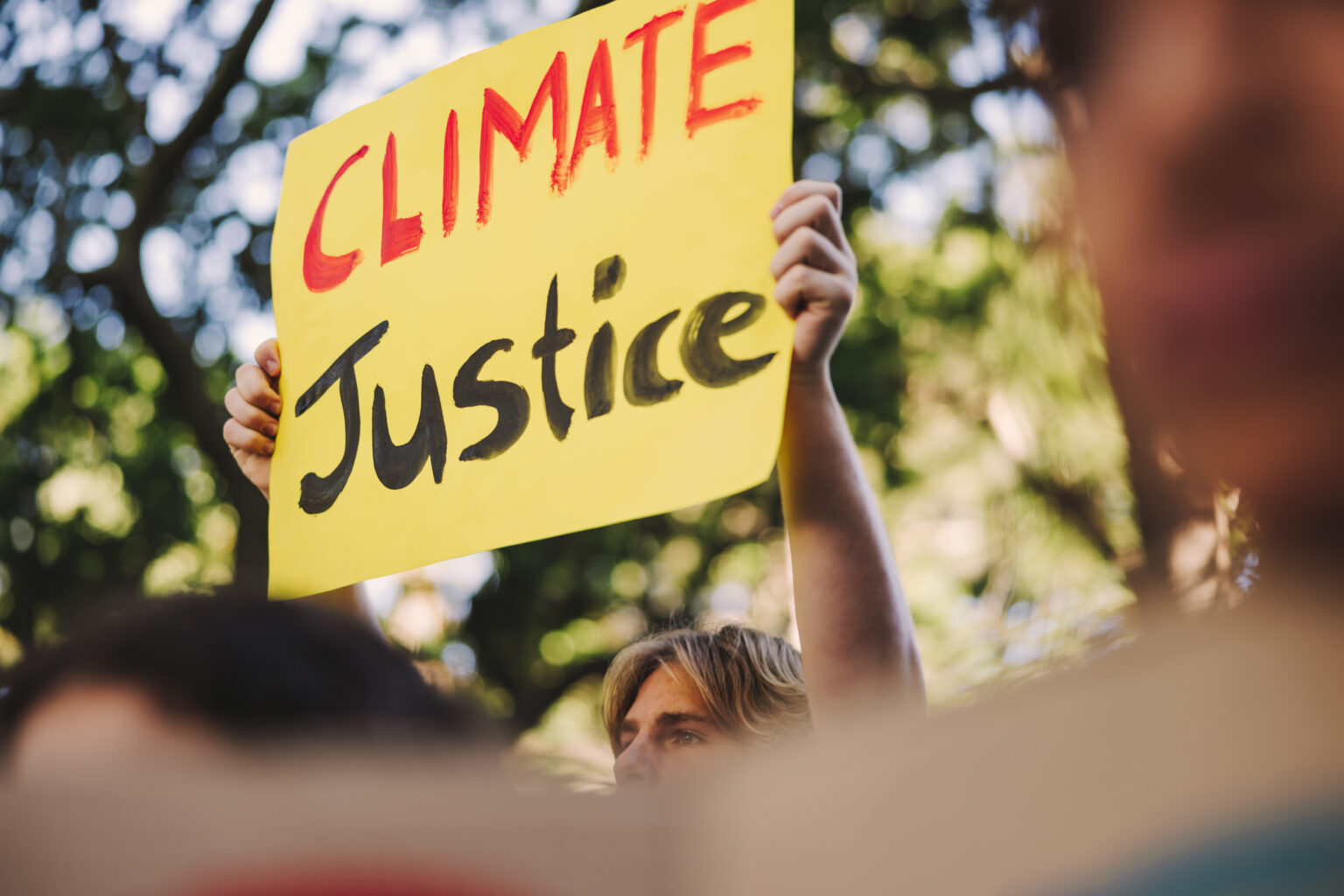
A groundbreaking research report titled ‘CO2lonialism, Ecocide and Reparations,’ launched at the University of Lagos (UNILAG), is reshaping the continental dialogue on historical justice.
Also see: Ramaphosa hails 7 million trees milestone amid public backlash over living costs
Presented by lead author Professor J.G. Nkem Onyekpe, the study investigates the long-term environmental consequences of British colonial rule across Africa.
It argues that international discussions on reparations and environmental accountability must include ecological damage.
Expanding the ledger of historical reparations
While traditional reparations conversations focus primarily on human exploitation and stolen wealth, this report highlights the devastating scale of ecological destruction.
Prof. Onyekpe noted that unequal resource appropriation from the Global South, valued at over $10 trillion in 2015, suggests cumulative colonial-era ecological damage across affected African nations could reach hundreds of trillions of dollars.
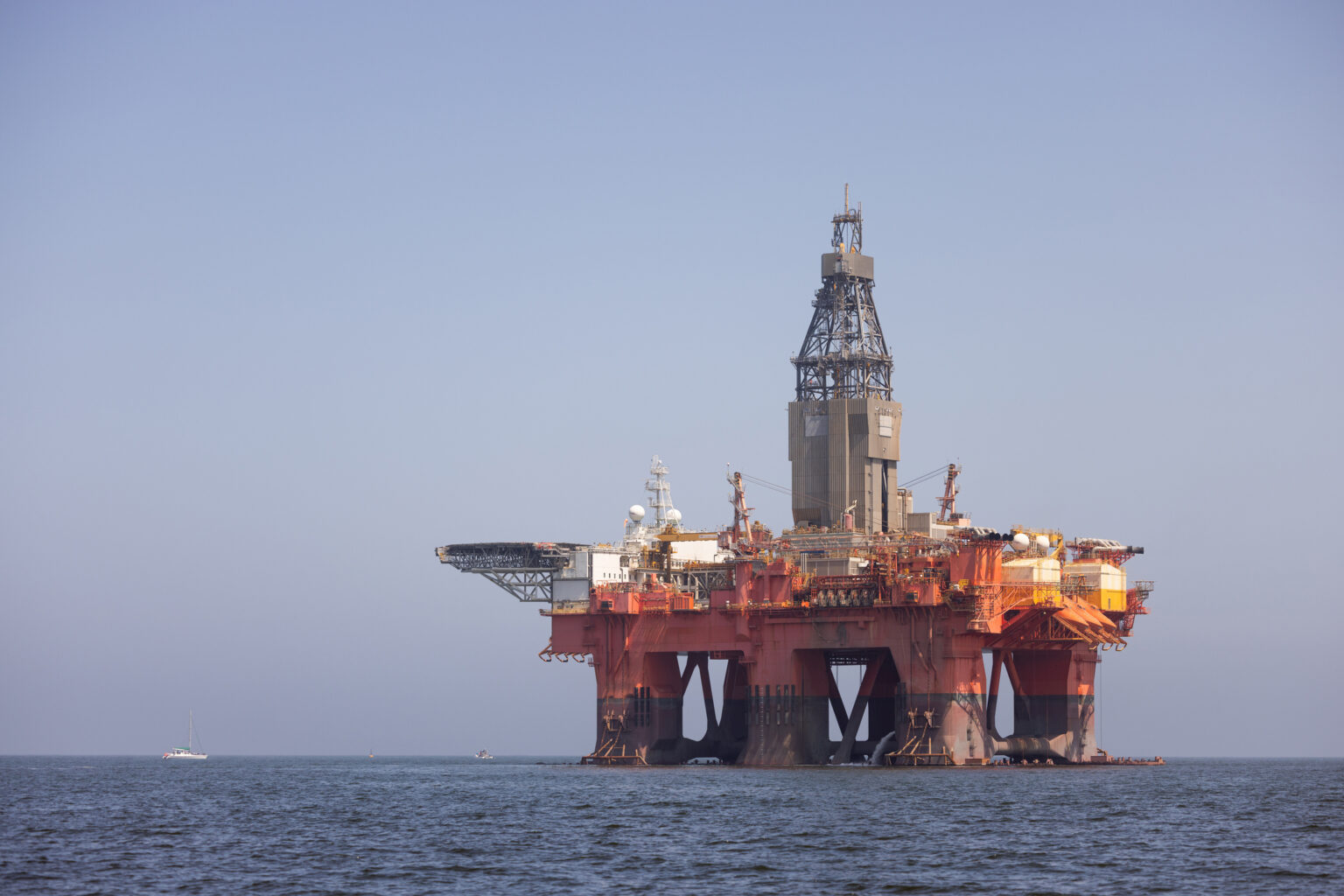
Furthermore, legal expert Dr Asikia Karibi-Whyte cited the International Court of Justice’s Nauru v. Australia case as a precedent, emphasising that a state remains legally accountable under international law despite leadership changes.
Also see: Inspiring young South Africans making a difference
Relevance for South Africa and Africa’s future
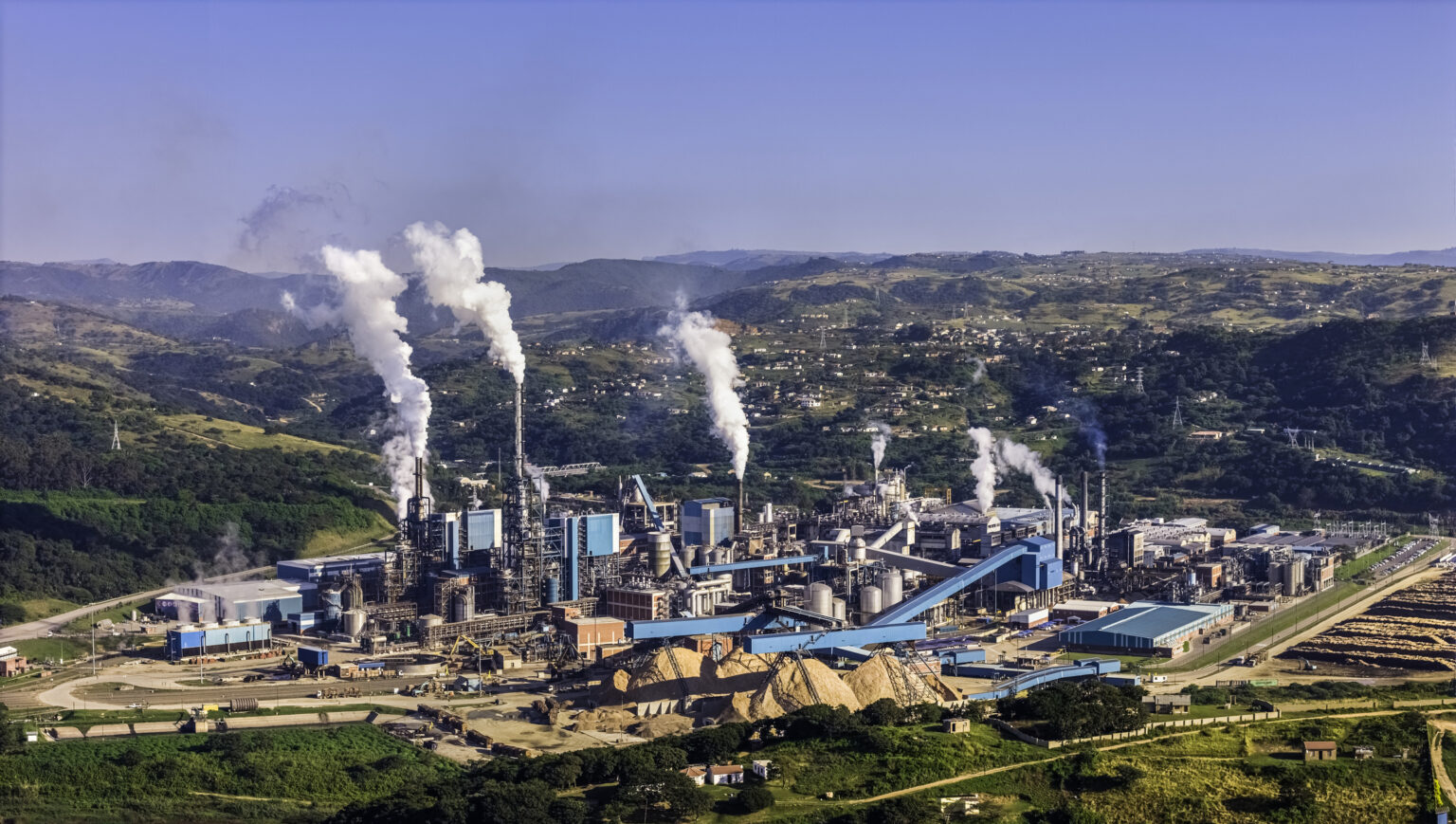
Amplifying these concerns, Prof. Nnagugwu Oscar Uluocha described colonial-era environmental damage as ‘colossal,’ driven by disruptive land-use and extraction policies.
Given South Africa’s own history of resource exploitation, land dispossession, and modern climate struggles, the study offers a crucial framework for regional audiences. The report has been formally submitted to African Union committees to support an African-led approach to ecological justice.
Featured image: iStock/jacoblund
Also see: Why youth voices matter more than ever
Be the first to know – Join our WhatsApp channel for content worth tapping into. Click here to join!