Period Poverty in South Africa: A Daily Struggle
For millions of women and girls across South Africa, managing menstruation is far from straightforward. Basic sanitary products like pads, which are essential for hygiene and comfort, have become increasingly unaffordable, with prices reportedly reaching R50 per pack.
For those living in low-income households or informal settlements, this reality means making difficult choices: buy expensive pads, rely on makeshift alternatives such as cloth or newspaper, or simply endure their periods without proper protection. The consequences are severe, missed school days, lost wages, and heightened risk of infections that affect reproductive and urinary health.
Public reaction on social media often highlights frustration at the government and retailers for not addressing the affordability gap, reinforcing that menstrual equity remains an ongoing social issue in South Africa.
Reusable Sanitary Pads: A Sustainable Solution
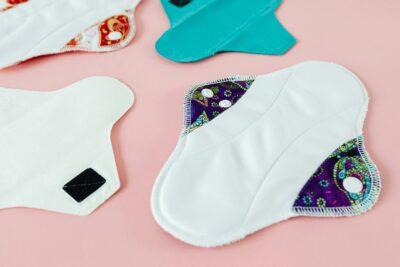
Enter reusable sanitary pads, a practical, eco-friendly alternative that is gaining attention worldwide but remains underutilized locally. Like conventional pads, reusable pads are worn inside underwear to absorb menstrual flow. The difference? They can be washed and reused for years, reducing both recurring costs and environmental waste.
The inner layers are typically made from absorbent, natural materials such as bamboo, organic cotton, or hemp, while the outer layers are crafted from cloth. In comparison, disposable pads contain synthetic materials, plastics, and chemicals that are harmful to both health and the environment.
Economically, reusable pads are a one-time investment. Buying a set of quality pads can save women substantial amounts of money over time, especially in a country where disposable pad prices continue to climb. Environmentally, reducing the billions of single-use pads discarded annually could significantly lower landfill waste.
The Challenges: Price and Accessibility
Despite their benefits, reusable pads are not without hurdles. A single reusable pad can cost between R50 and R70, and sets are often sold online, posing barriers for those without reliable Internet access or who live far from urban centers. Shipping costs can further inflate the price, making it less accessible for the very communities that would benefit most.
Some retail pharmacies, such as Clicks, stock reusable pads, but options are limited, sizes uniform, and lifespans shorter than premium online products. Social media conversations often echo frustration over this lack of availability, with users calling for broader retail distribution and government support.
Are Reusable Pads Worth It?
From an economic, environmental, and health perspective, the answer is a resounding yes. One upfront purchase can provide long-term benefits, reduce reliance on disposables, and empower women to manage their periods with dignity and confidence.
Increasing awareness and advocacy around reusable pads could also help destigmatize menstruation, promote sustainable living, and highlight reproductive health as a priority. For South African women and girls facing period poverty, these pads represent more than hygiene, they are a tool for independence, well-being, and self-respect.
As conversations about menstrual equity grow louder, reusable sanitary pads offer a pathway toward addressing period poverty while promoting sustainability. Wider access, better pricing, and public education could transform the lives of millions, making periods less of a financial burden and more of a manageable, empowered experience.
Social media users are already sharing tips, reviews, and experiences, showing that change is possible when communities rally around a solution that benefits both people and the planet.
{Source: The South African}
Featured Image: X {@TheBrandfathers}