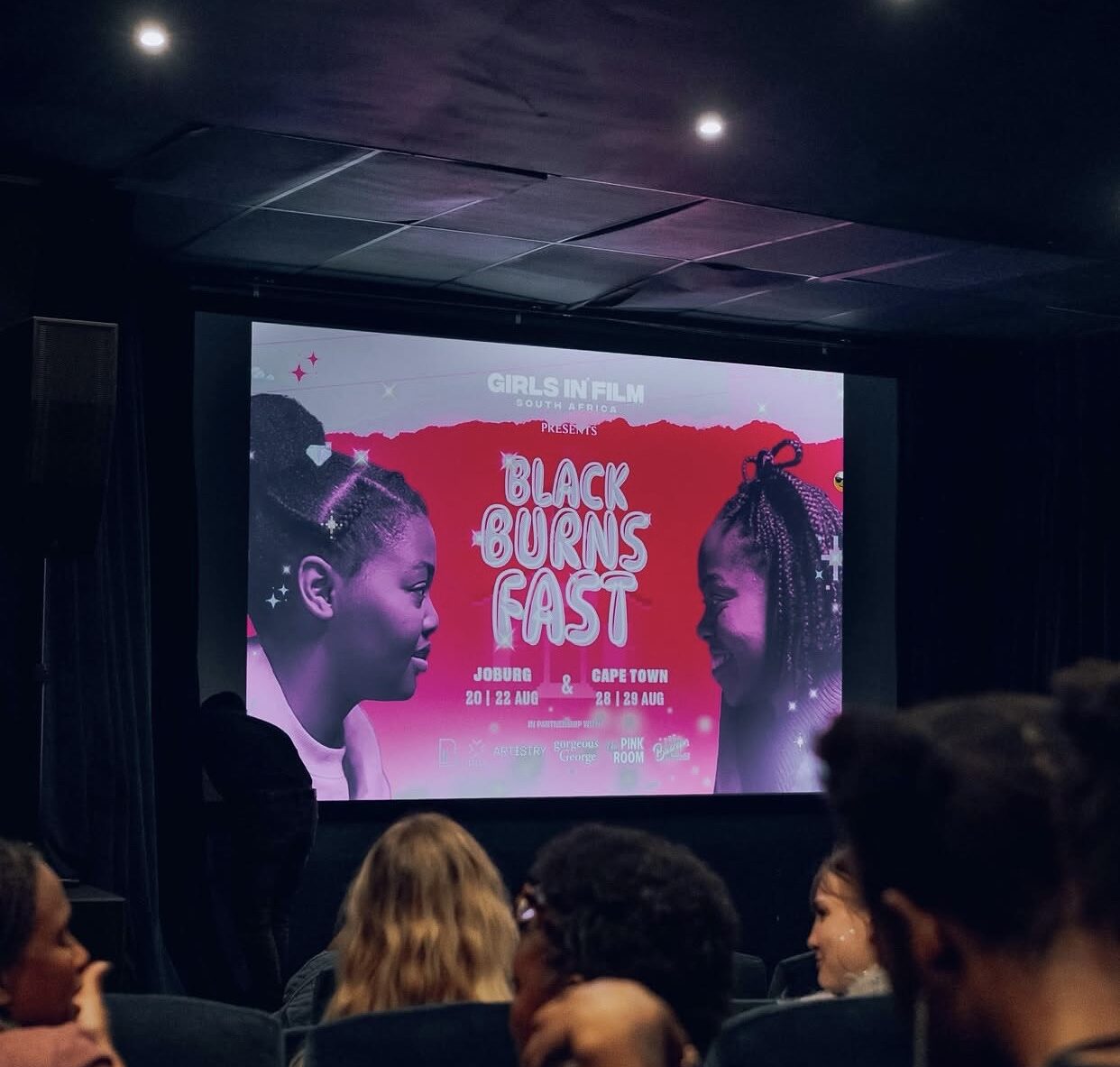
South African television and film have undergone a profound evolution over the past few years, moving away from flat caricatures toward increasingly complex, multifaceted storytelling.
Also see: FRAMING QUEER GIRLHOOD: SANDULELA ASANDA ON DIRECTING MZANSI’S BOLD NEW FILM ‘BLACK BURNS FAST’
For decades, local screens frequently relegated LGBTQ+ characters to narrow tropes, most notably as the punchline-driven ‘jokester,’ the flamboyant gay man, or simplified archetypes that completely sidelined the nuanced lived experiences of LGBTQ+ women.
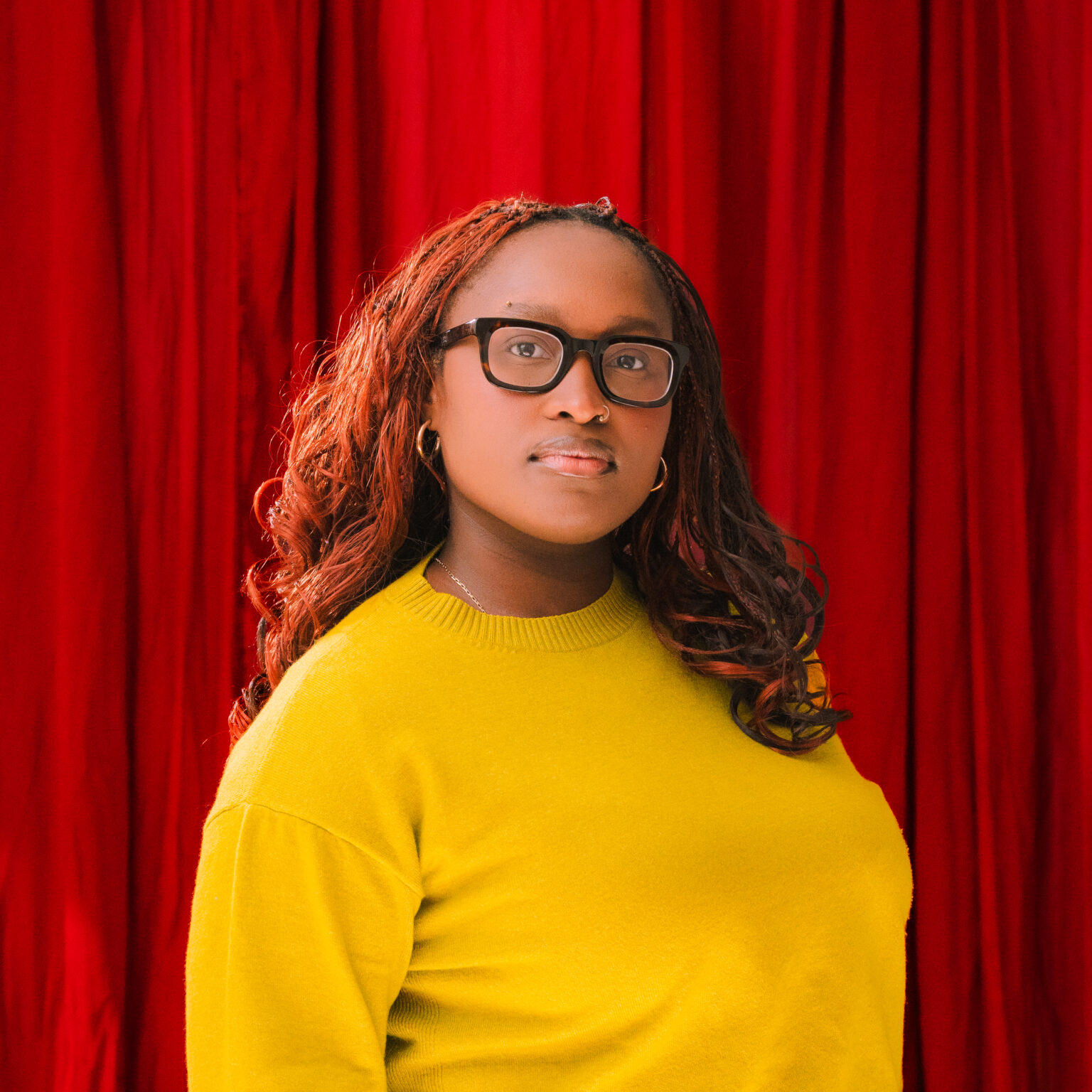
However, as filmmaker and director Sandulela Asanda highlights, a noticeable and encouraging cultural shift is underway across the nation’s creative sector.
Moving beyond outdated tropes
Reflecting on how the landscape has transformed, Asanda notes that the industry has seen a meaningful departure from one-dimensional representation over the past half-decade.
“In the past, at least like five years, we are seeing a lot more complex characters coming to the fore…even in like Yagelands[sic], but I still at times still see, and I also helped to ruin Christmas, but I still seeing kind of like the queer person as like the jokester, always like the effeminate gay man, or I’m very little honestly representation of like a queer woman… in general, but slowly but surely, I think it’s happening.”
This transition marks a turning point where creators are pushing past tokenism to introduce well-rounded individuals who occupy central, authentic spaces in dramas and lifestyle programming.
Also see: UNAPOLOGETICALLY QUEER: THE BILLIONAIRES DUO ARE REDEFINING SOUTH AFRICAN MUSIC WITH PRIDE
The power of diverse writers’ rooms
At the heart of this creative evolution is the shift in who holds the pen. Asanda points out that the transformation is heavily driven by the new generation of writers occupying the rooms—creators who are openly LGBTQ+ and actively invested in fighting for multi-layered storylines that reflect their true realities.
“I think it also has to do with the people who are now occupying the rooms as writers, who are interested in seeing these more complex stories, who are more openly queer and are willing to fight for storylines that represent the diversity of their experiences and the things that are seen on screen.”
While traditional networks have historically exercised caution out of concern for mainstream audiences, these visionary writers are championing authenticity and challenging outdated broadcast standards.
Expanding horizons through global platforms
When examining how contemporary distributors approach these narratives, Asanda observes that streaming platforms and forward-thinking filmmakers are currently at the forefront of mainstreaming complex LGBTQ+ stories, particularly those that move beyond themes of struggle.
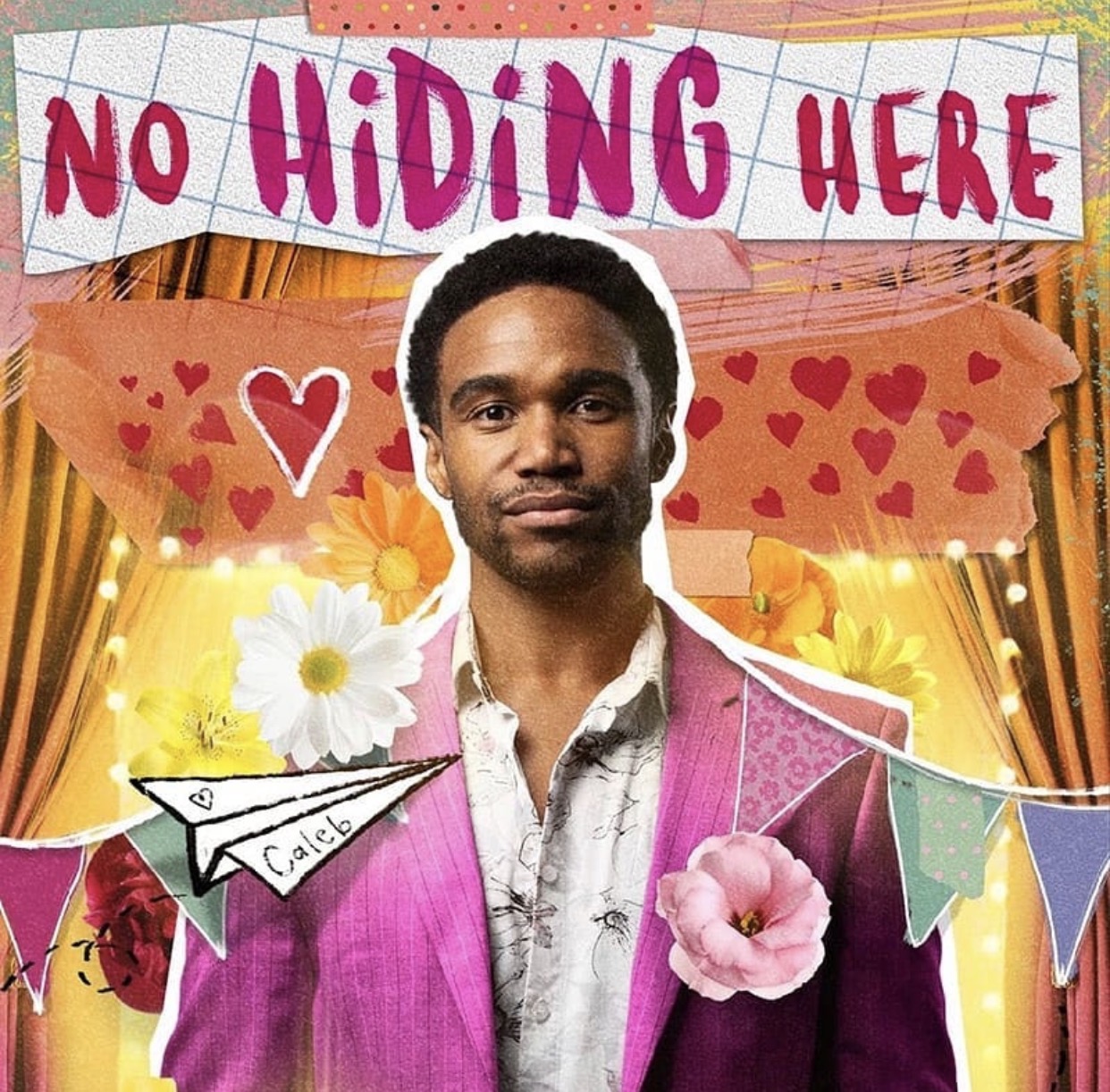
While local programmers and traditional local commissioners may sometimes remain cautious due to audience demographics and controversial perceptions, the rise of international streaming models has changed the game.
By connecting with global platforms that are more progressive and open to diverse narratives, independent South African filmmakers are empowered to take bolder creative risks.
As Asanda concludes, as these groundbreaking stories continue to circulate and gain distribution, they gradually pull mainstream local audiences into the same inclusive conversation, proving that authentic LGBTQ+ representation is a vital cornerstone of modern, progressive storytelling.
Featured image: Instagram/@blackburnsfast
Also see: PRIDE MONTH EXCELLENCE: YOUNG, GIFTED AND QUEER, A MUST-SEE AT THE JOHANNESBURG FILM FESTIVAL
Be the first to know – Join our WhatsApp channel for content worth tapping into. Click here to join!