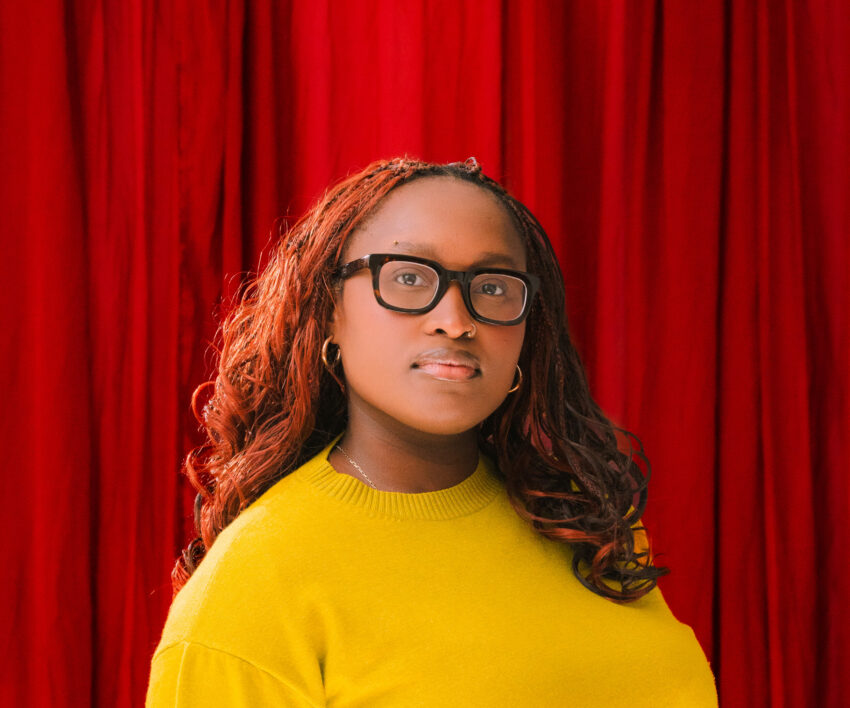
In a global and local cinematic landscape where queer narratives have historically been framed through the restrictive lens of trauma, fear, and societal limitation, South African director Sandulela Asanda is intentionally carving out a transformative new path.
Her debut feature film, Black Burns Fast, stands as a vibrant, tender, and deeply South African coming-of-age story that prioritises joy, expansive possibilities, and authentic human connection over conventional tropes.
Also see: Move over Euphoria, SA has Youngins – a teen telenovela delving into sex, fun and danger
Having recently secured a distribution partnership with global streaming giant Amazon following an internationally acclaimed, award-winning short film proof-of-concept, Asanda spoke to BONA about creating safe onset environments, overcoming industry funding hurdles, and why Mzansi’s queer youth deserve stories that centre hope.
Healing the 14-year-old self through cinema
For Asanda, the inspiration to write and direct Black Burns Fast stemmed from a personal lack of representation during her formative years growing up in South Africa.
“I had no tangible examples in both my high school and home environment that could explain to me the feelings of otherness that I came to understand in my twenties to be my queerness. Soon, I came to learn that this was the experience for many queer people too.
“As a lover of film and television, I set out to then make a film that spoke to this, and personally, spoke to my 14-year-old self who needed a film like this.”
Reflecting on existing portrayals of queer lives in media, Asanda emphasises the need to move past narratives that keep marginalised communities guarded or afraid.
“There’s so much about past presentations that start from a place of imposing limits first, before even exposing you to the possibilities,” she explains.
“My quest is to continue expanding and raising possibilities. If I can show us as more, then we believe we can be more, and we become more. This, for me, is the essence of the philosophy and politics of queerness.”
Reflecting on existing portrayals of queer lives in media, Asanda emphasise the need to move past narratives that keep marginalised communities guarded or afraid.
“My quest is to continue expanding and raising possibilities. If I can show us as more, then we believe we can be more, and we become more. This, for me, is the essence of the philosophy and politics of queerness.”
Building a collaborative, safe set
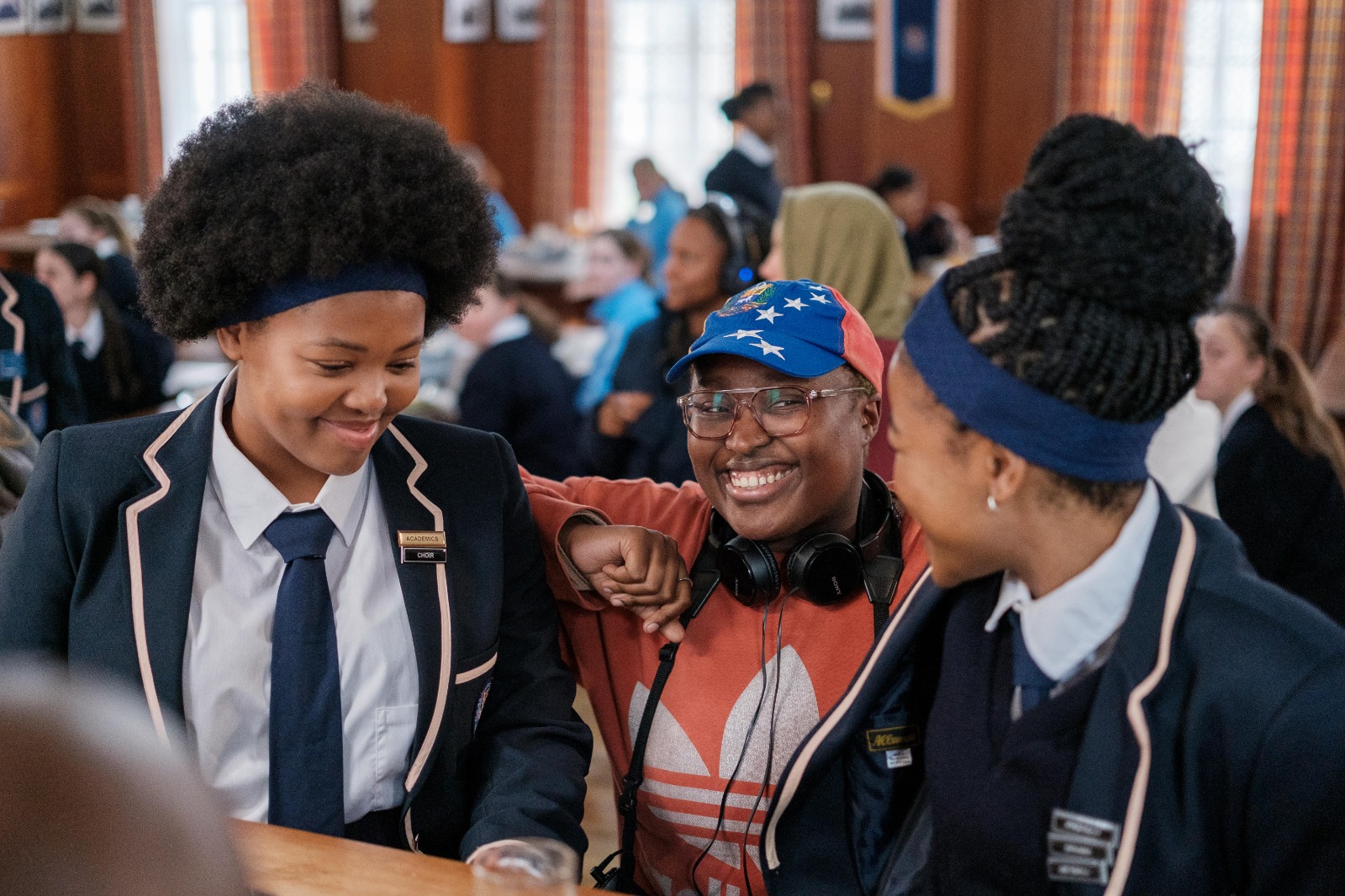
A core pillar of Asanda’s directorial philosophy is creating an environment built on mutual trust and safety, particularly when directing young actors through sensitive, intimate coming-of-age moments. During pre-production, the production team established strict on-set safety protocols, empowering cast members to advocate for themselves and pause takes whenever necessary.
“From the beginning, we stressed the importance of ensuring that the set was a safe and pleasant space for everyone involved,” says Asanda.
“In a recent radio interview, Basetsana Motloung, who plays Bassie, said that what also helped is that we treated them like they were professionals, and not based on their age. I think that probably goes far in them feeling that they are taken seriously as performers.”
Also see: Youngins actor shares how his role motivated him to learn a new language
Casting key roles
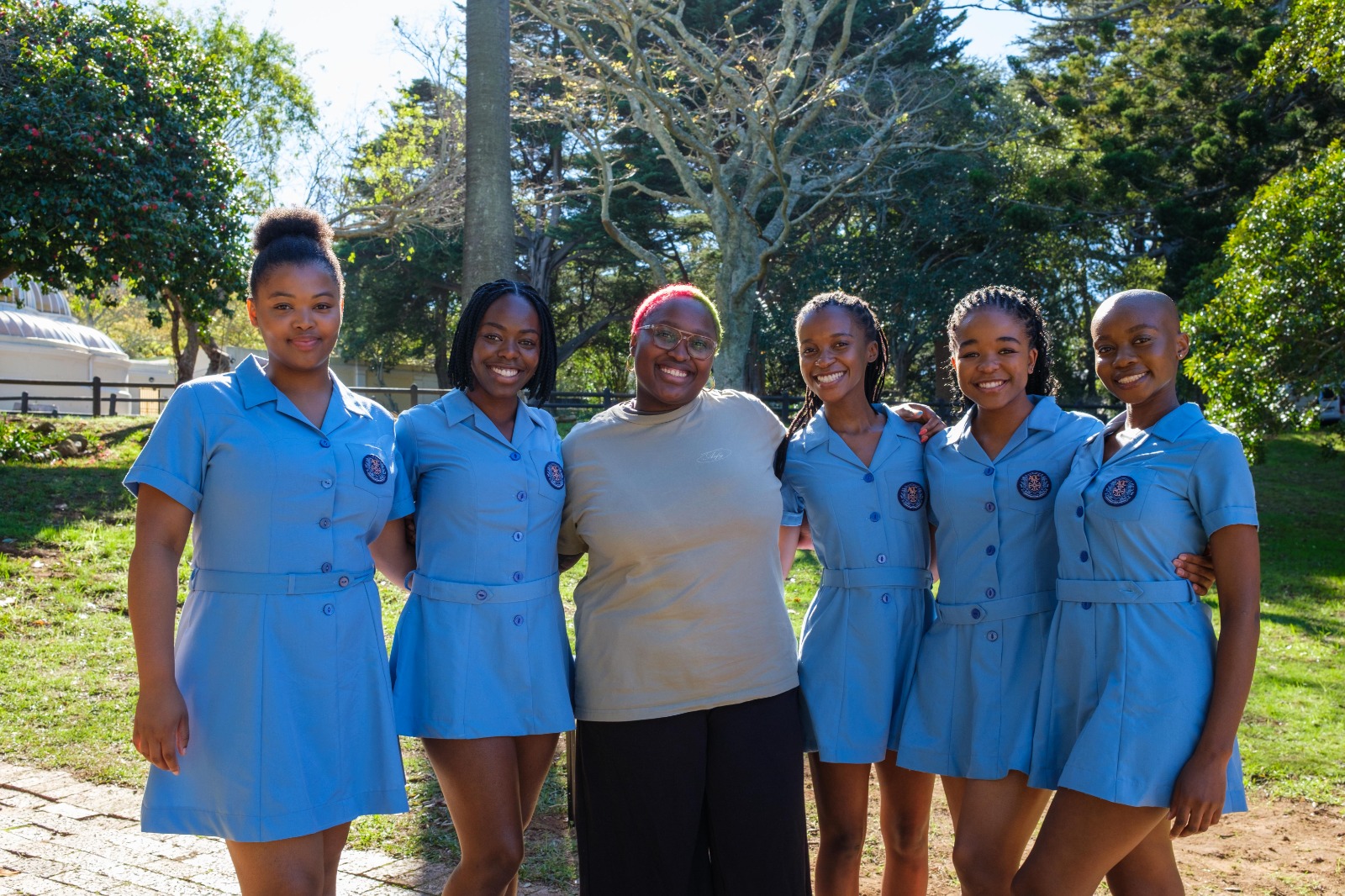
When it came to casting key roles, including lead performers Esihle, Muadi, and Mila (who plays Jodie), chemistry tests were crucial:
Embodied physicality
Esihle immediately stood out in her self-tape for Luthando due to her natural physical alignment with the character brief.
Effortless dynamics
Muadi’s callback and subsequent chemistry test with Esihle sealed her selection, while Mila completed the trio’s dynamic seamlessly.
Authentic off-camera bonds
By the end of their chemistry auditions, the young cast were already joking and jumping on each other’s backs, creating an authentic bond that translated directly onto the screen.
Visual influences, sonic identity, and future horizons
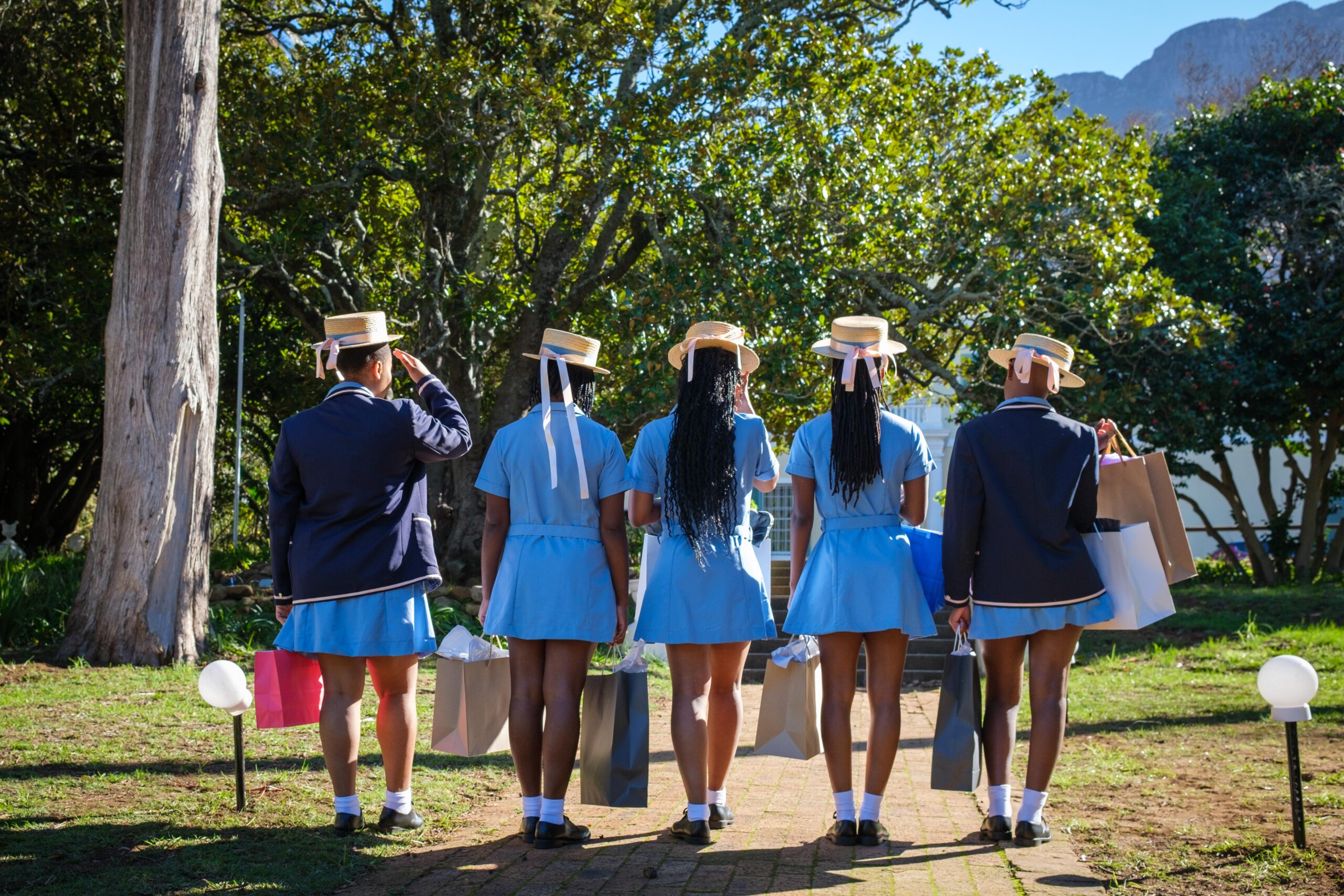
Visually and stylistically, Black Burns Fast draws from a rich, eclectic mix of global cinema and local South African music culture, influenced by the expressive, atmospheric lighting of Dee Rees’ seminal film Pariah.
Gamified, fantastical visual elements inspired by Edgar Wright’s Scott Pilgrim vs the World and the imaginative style of filmmaker Michel Gondry and anchored by iconic South African tracks, including Sondela by Tresor featuring Msaki and New Brighton by Nakhane.
Looking ahead, Asanda shows no signs of slowing down her creative output. She is currently developing a stage play, a political thriller series, a graphic novel concept, and her next feature film project.
Her message to emerging South African storytellers remains clear: “There is room for them in this industry, and in the world at large. Follow your gut, know that there is space for your voice, and work towards it.”
Also see: Fresh Mzansi faces stealing the show in TV and film
Be the first to know – Join our WhatsApp channel for content worth tapping into. Click here to join!