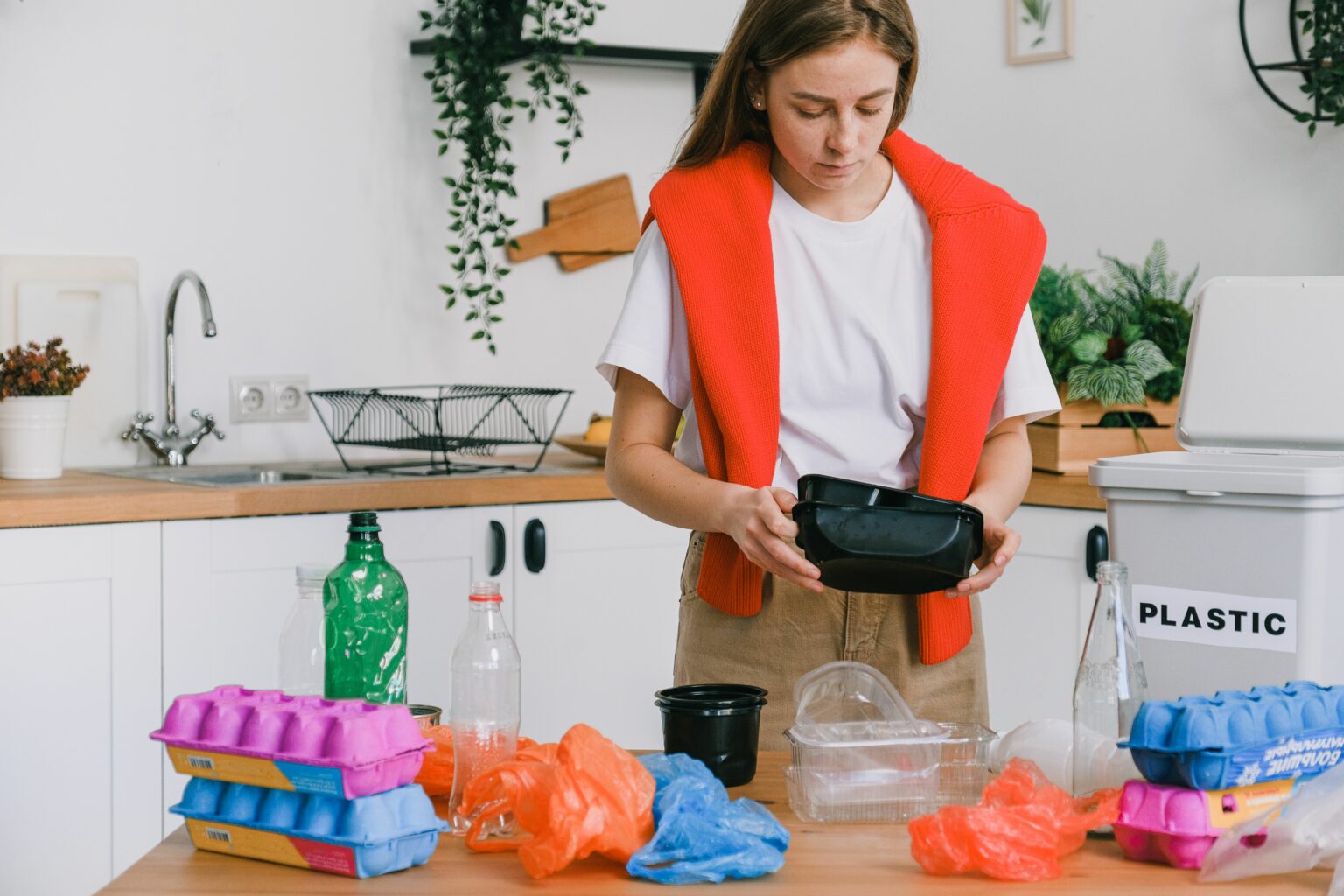
In a world where people consume more products than ever before, the amount of waste we create has become a major environmental challenge. However, not everything we throw away is truly useless.
Also see: Safe cleaning: Avoid these detergents if you have pets
With a little creativity, many discarded items can be repaired, reused, repurposed, or recycled into something valuable. This idea of turning “trash into treasure” is an important part of sustainable living and the circular economy.
Instead of following the traditional “take, make, use and throw away” model, circularity encourages people to reuse, repair, refurbish, repurpose and recycle.
The United Nations Environment Programme (UNEP) notes the following as some of the few examples of how you can repurpose old items:
Reuse glass jars and containers
Empty glass jars, bottles and food containers can have a second life. Instead of throwing them away, they can be cleaned and used to store spices, grains, homemade sauces, stationery, or small household items. Glass jars can also be repurposed as plant pots, candle holders or decorative containers.
Reusing an existing item prevents the need to purchase a new container and helps reduce the amount of waste entering landfills.
Turning old clothes into useful items
Clothing that is no longer fashionable or wearable does not necessarily belong in the trash.
Old T-shirts can be transformed into cleaning cloths, shopping bags or cushion covers. Jeans can be turned into bags, pencil cases or storage organisers, while fabric scraps can be used for crafts and decorations.
Repairing clothes is another valuable option. Repairing and reusing clothing extends its useful life and reduces demand for new resources.
Compost food waste
The programme also explains that not all ‘trash’ needs to become a new physical object. Food scraps can become part of your garden waste, which can be composted and transformed into nutrient-rich material for plants.
Composting keeps suitable organic waste out of disposal systems and returns nutrients to the soil.
Also see: The monthly home cleaning tasks most people forget about (and regret later)
Repurpose paper and cardboard
Old newspapers, magazines, boxes and sheets of paper can be used creatively instead of immediately being discarded.
Cardboard boxes can become organisers, children’s craft materials or storage containers. Newspapers can be used for wrapping, crafts and other household purposes.
When paper and cardboard can no longer be reused, they may be recycled according to local recycling rules.
Donate unwanted items
Sometimes an item is no longer useful to one person but could be valuable to someone else. Things such as books, clothes, furniture, toys and household goods can be donated, exchanged, or sold rather than thrown away.
This approach extends the life of products and reduces the need to manufacture new ones. Buying used products can also reduce waste and the environmental impacts associated with producing new materials.
Turning waste into useful products is more than a creative hobby. It can conserve natural resources, reduce pollution, save money and encourage more responsible consumption.
Also see: Furniture cleaning mistakes that could quietly ruin your favourite pieces
Featured image: Pexels
Be the first to know – Join our WhatsApp channel for content worth tapping into. Click here to join!