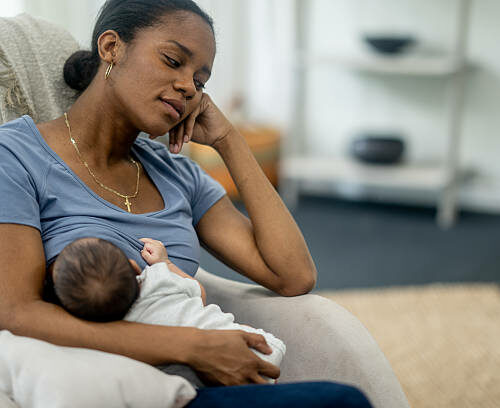

Many parents are unaware or don’t remember the moment they first hurt their child because, to them, it didn’t look like harm.
Years later, these “harms” do more damage than good. Children may remember them clearly not as one event, but as a feeling…a feeling of being small. This is the uncomfortable truth psychology keeps circling back to. Unhappy childhoods are often shaped by the dramatic trauma parents expose their children to.
According to IOL, “unhappy children are rarely the result of just one big mistake. More often, they are shaped by small, repeated parenting attitudes that quietly teach them how much of themselves is welcome”.
The emotional climate of a home can contribute heavily to how your child behaves. Things such as you sighing when they talk, jokes, comparisons, silences, treatments, all contribute to draining their joy.
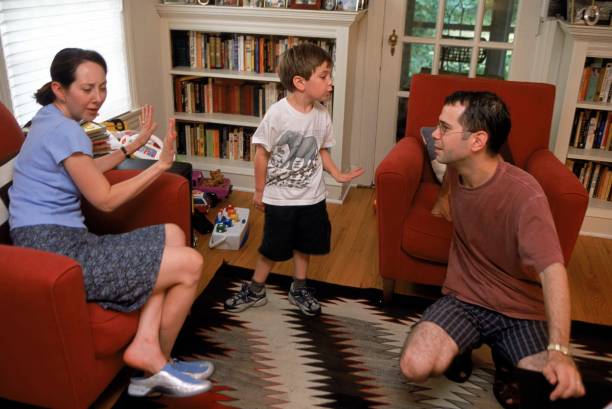
5 parenting patterns that create unhappy children
Psychologists all over the world have linked the unhappiness of children to these 5 parenting patterns:
- Constantly criticising your children: Flaws and imperfections are a life thing, and every child is different. Constantly pointing out flaws or mistakes erodes your child’s self-worth, especially when there is constant criticism amongst siblings.
- Overprotection: Protection is key, yes, but overdoing it can be a problem. Shielding your kids from every risk can stifle their independence and cause long-term effects on problem-solving skills.
- Comparing them with other children: Pitting siblings or other children against each other can cause insecurities and resentments in them.
- Emotional neglect: Failing to be emotionally present sends the message that a child’s feelings don’t matter.
- Invalidating your child’s emotions: Never dismiss your child’s feelings. Dismissing their feelings teaches them that their emotions are unworthy.
Also see: Critical advice for parenting children during puberty
Feature Image: Gettys