Why Everyone Is Suddenly Obsessed With Wellness Culture
Wellness used to mean going to the gym and maybe drinking more water.
Now it feels like an entire personality.
People are waking up at 5am for Pilates, tracking their sleep scores, drinking chlorophyll water, taking magnesium supplements, buying gut-health powders, journaling, cold plunging, meditating, deleting toxic energy, healing their nervous systems, and filming all of it for TikTok.
Somewhere between burnout culture, social media, rising anxiety, and the pressure to constantly optimise ourselves, wellness stopped being just about health and became a lifestyle movement.
And honestly? The obsession is everywhere.
The global wellness industry is now worth trillions, with trends increasingly centred around mental health, personalization, sleep, stress management, and emotional wellbeing.
People Are Burnt Out
A huge reason wellness culture exploded is simple:
People are tired.
Modern life feels overwhelming for a lot of people, especially younger generations dealing with:
- Economic pressure
- Hustle culture
- Digital overload
- Social media comparison
- Rising living costs
- Anxiety about the future
Experts increasingly say wellness trends are being driven by emotional exhaustion and the need for balance in an always-online world.
In South Africa, this feels especially relatable.
Many young adults are juggling demanding jobs, side hustles, family responsibilities, financial pressure, and social expectations all at once. Wellness becomes less about luxury and more about trying to feel emotionally functional again.
That’s why phrases like:
- “Protect your peace”
- “Soft life”
- “Healing era”
- “Rest is productive”
- “Romanticise your life”
Have become part of everyday online culture.
Wellness Became the New Status Symbol
A few years ago, luxury was mostly about designer bags, expensive cars, or flashy lifestyles.
Now?
Being “well” has become its own type of status symbol.
People show success through:
- Matcha rituals
- Pilates memberships
- Organic groceries
- Wellness retreats
- Morning routines
- Expensive skincare
- Fitness tracking devices
Experts say wellness culture is shifting toward highly personalised and curated lifestyles that combine beauty, mental health, fitness, and self-care.
Even social media aesthetics reflect this shift:
- Neutral-toned kitchens
- Vitamin shelves
- Ice baths
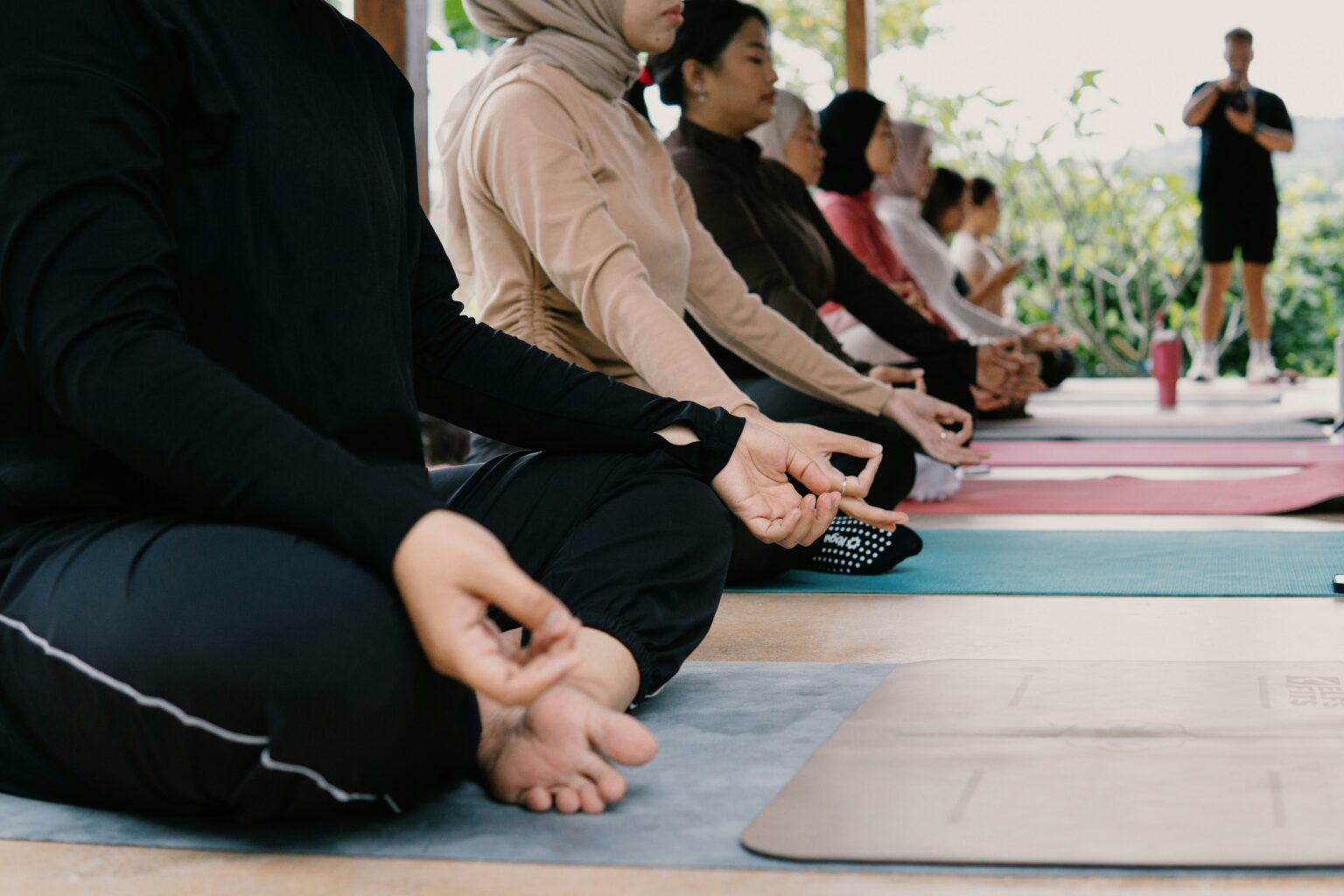
- Yoga studios
- Green smoothies
- “Clean girl” beauty routines
Wellness now looks aspirational online.
Social Media Made Wellness Feel Accessible
TikTok, Instagram, and YouTube completely changed how people learn about health and self-care.
Instead of only listening to doctors or fitness magazines, people now get advice from:
- Influencers
- Wellness creators
- Fitness coaches
- Therapists
- Nutrition creators
- “That girl” content creators
Suddenly everyone knows words like:
- Cortisol
- Gut health
- Dopamine
- Nervous system regulation
- Magnesium glycinate
- Cycle syncing
Even wellness experts say social media has pushed conversations about mental fitness, nervous system care, and personalised health into mainstream culture.
And unlike traditional wellness spaces that often felt exclusive or expensive, social media made wellness trends feel easier to access — at least visually.
Mental Health Became Part of Mainstream Conversation
One of the biggest cultural shifts is that mental health is no longer hidden the way it once was.
People now openly discuss:
- Anxiety
- Burnout
- Therapy
- Emotional regulation
- Depression
- Trauma
- Rest
That change helped wellness evolve beyond just weight loss and appearance.
According to wellness trend reports, mental fitness and emotional resilience are becoming central parts of modern wellness culture.
For many people, wellness is now less about looking perfect and more about:
- Feeling calmer
- Sleeping better
- Reducing stress
- Protecting mental peace
And honestly, after years of hustle culture, many people are craving slower, softer lifestyles.
Wellness Culture Is Also About Control
Life feels unpredictable right now.
The economy changes constantly.
Social media moves fast.
The world feels uncertain.
Wellness routines give people structure.
A morning routine, gym schedule, skincare ritual, or meal prep routine can create a sense of stability when everything else feels chaotic.
That’s partly why wellness habits became emotionally comforting for so many people.
Experts say the newest wellness trends focus heavily on personalization, self-tracking, and measurable self-improvement.
People want to feel more in control of their bodies, energy, emotions, and health.
But Wellness Culture Can Also Become Toxic
Not every part of wellness culture is healthy.
Sometimes wellness becomes another form of pressure.
People start feeling like they must:
- Eat perfectly
- Exercise constantly
- Track everything
- Buy expensive products
- Follow impossible routines
- Always be “healing”
Experts and online communities increasingly warn that self-care culture can become overwhelming and performative.
There’s also growing concern around:
- Wellness misinformation
- Extreme diets
- Obsession with flawless skin
- Overconsumption
- Pseudoscience trends
- Expensive “health” products
A recent discussion online criticised how some wellness trends confuse thinness, perfection, or expensive habits with actual health.
And honestly, not everybody can afford the version of wellness constantly promoted online.
The Meaning of Wellness Is Changing
Interestingly, wellness culture itself is starting to evolve.
Trend analysts say people are moving away from extreme optimisation and toward more realistic, sustainable wellbeing habits.
That includes:
- Simpler routines
- Community-based wellness
- Rest
- Hobbies
- Gentle movement
- Offline time
- Emotional wellbeing
Even things like gardening, cleaning, walking, cooking, or crafting are increasingly being described as forms of self-care.
Which honestly feels more realistic for everyday life.
Final Thoughts
People are obsessed with wellness culture because modern life feels exhausting.
Wellness promises:
- Control
- Healing
- Calm
- Better health
- Emotional relief
- A softer way of living
And while some parts of wellness culture can become excessive or performative, the deeper reason behind the obsession is understandable.
People do not just want to survive anymore.
They want to feel okay.
Also see: Denise Zimba shares emotional reflection on Mother’s Day without her children
Featured Image: Pexels
Be the first to know – Join our WhatsApp channel for content worth tapping into. Click here to join!