
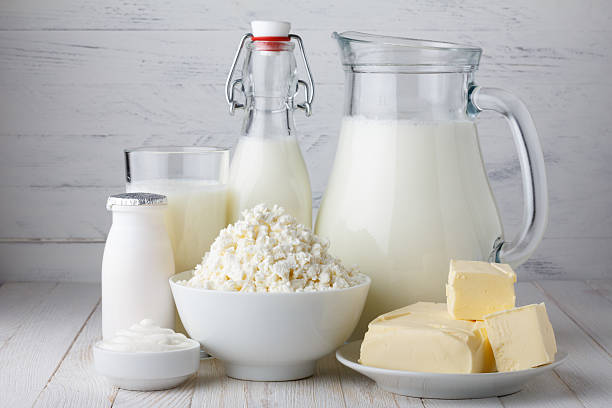
Making smart food choices is an important part of healthy ageing. Understanding the different food groups and how much of each should make up your diet can help you form healthy eating patterns.
As reported by BBC, the nutritional benefits of foods change as you age. As such, the most important thing as you grow is knowing the amount you should eat to maintain your weight and level of physical activity.
Also see: Nutritious foods that help limit eczema flare-ups
Why is consuming dairy so important?
According to Eating Well, dairy is ‘nutrient-rich’, meaning it contains a significant amount of essential nutrients, vitamins and minerals for the calories it provides.
True Love magazine reports that “growing old doesn’t mean slowing down, especially if you want to stay independent and stay healthy. But your body changes and so do its nutritional needs. The best thing is that small changes do help, providing you with healthier benefits at every stage of life. This is why consuming dairy helps older adults maintain strong bones and provides several vital nutrients.”
Milk and other dairy products contain vital vitamins that contribute to stronger older adults. These include calcium, potassium and vitamin D.
Also see: Foods you need for a healthier sex life
An advantage when it comes to dairy products is that there are many dairy alternatives to fit your needs. These include soy milk and yoghurt, which contain calcium, vitamin A and vitamin D, with nutritional content similar to that of normal dairy products.
Consuming dairy products comes with a number of benefits, with the most common one being strong bones. It is not only calcium that is working to strengthen bones. Milk also contains phosphorus, magnesium, zinc, bioactive peptides and high-quality protein, which also support a strong skeleton and overall health, according to research done by Fonterra dairy for life.
Also see: How to pair wine with spicy foods
Be the first to know – Join our WhatsApp channel for content worth tapping into. Click here to join!