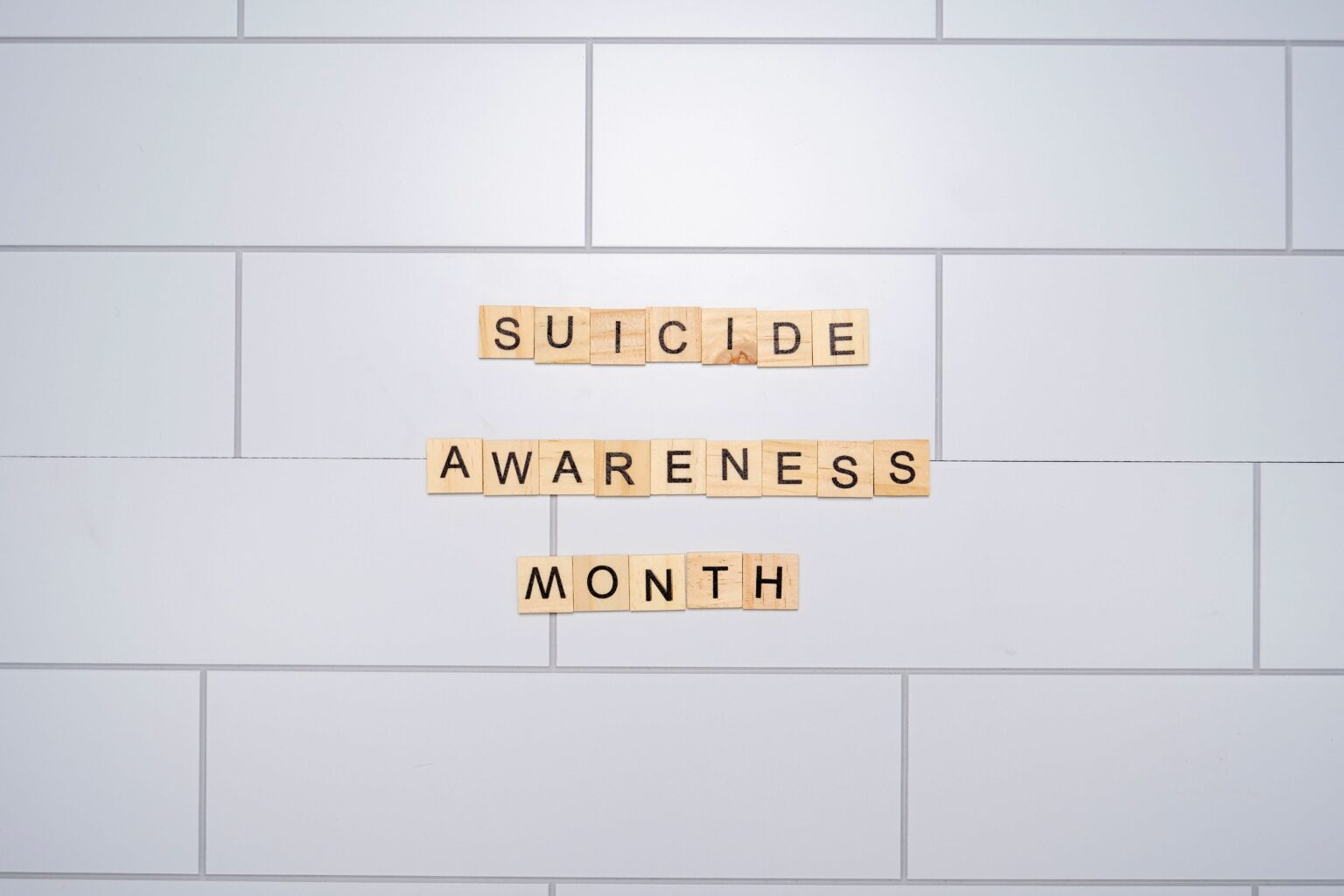
September is an important time to raise awareness about suicide prevention and mental health. It is an opportunity to have honest conversations, challenge the stigma surrounding suicide and remind people that help is available.
World Suicide Prevention Day is observed annually on 10 September. In 2026, the World Health Organisation (WHO) is continuing the theme ‘Changing the narrative on suicide,’ with a call to ‘Start the Conversation.’
WHO notes that suicide remains a major public health challenge, with more than 720,000 people dying by suicide globally each year.
Suicide can affect people from all walks of life. Sometimes, a person who is struggling may not openly say that they are thinking about suicide.
Family members, friends, colleagues and other people close to them may therefore be in an important position to notice changes in behaviour and offer support.
Also see: Discovery Health responds after veteran member shares hospital approval nightmare online
What are the warning signs of suicide?
There is no single sign that can predict whether someone will attempt suicide. However, certain changes in what a person says, does or feels may indicate that they are experiencing significant emotional distress.
According to the WHO, the Centres for Disease Control and Prevention and the 988 Suicide & Crisis Lifeline, warning signs can include:
- Talking about death or suicide, including saying that they want to die, kill themselves or no longer want to be alive.
- Expressing hopelessness, such as saying they have no reason to live or that things will never get better.
- Feeling like a burden.
- Talking about unbearable emotional or physical pain or feeling trapped with no way out.
- Withdrawing from family and friends or suddenly losing interest in activities they previously enjoyed.
- Major changes in mood, including extreme sadness, anger, anxiety, agitation or sudden mood swings.
- Changes in sleeping or eating patterns, particularly when these changes are new or significant.
- Increasing alcohol or drug use.
- Reckless or unusually risky behaviour.
These are just some of the many signs you need to take note of. It is particularly important to pay attention when a behaviour is new or becoming more frequent or intense.
Also see: Women’s health: Prioritising strength, wellness, and the right gear
How you can help
Talking about suicide can feel frightening or uncomfortable. You do not need to have all the answers. However, your role as the friend or family member is not to diagnose the person or solve all of their problems; just show up and offer support. These are some of the ways you can offer support, according to the WHO.
- Never dismiss comments about suicide.
- Listen without judgement.
- Take it seriously.
- Pay attention to changes, not just words.
This month of September, start the conversation about suicide prevention, as it starts with awareness, compassion, and connection. Learn the warning signs. Check in on the people you care about, and always remember that you do not have to know exactly what to say to make a difference.
Also see: Free mental health support now a click away for South Africans
Featured image: Pexels
Be the first to know – Join our WhatsApp channel for content worth tapping into. Click here to join!