
Sign Up to Our Newsletter
Subscribe
Primary Menu Search
  • Entertainment
    • Celebrity News
  • Fashion and Beauty
    • Hair
    • Beauty
    • Fashion
    • Weddings
  • Lifestyle
    • Love & Relationships
    • Parenting
    • Motoring
    • Food
    • Travel
      • Travel News
      • Property
  • Health & Wellness
    • Diet
    • Fitness
    • Health
  • Work & Money
    • Finance
    • Career
  • Sports
    • Soccer Mag
    • Sa Rugby Mag
    • Sa Cricket Mag
    • Compleat Golfer
    • American Sports
    • Multi Sport
  • Deals
    • Competitions
    • One Day Deals
    • Nationwide Deals
      • Deals in Cape Town
      • Deals in Johannesburg
      • Deals in Durban
      • Deals in Pretoria
      • Deals in Port Elizabeth
    • Accommodation Deals
    • Romantic Getaways
    • Food and Drink Deals
    • Experiences
    • Health and Wellness Deals
  • Pork Recipes
  • Africapicks

Are women over-supplementing? The wellness habit worth questioning

by Staff Bona
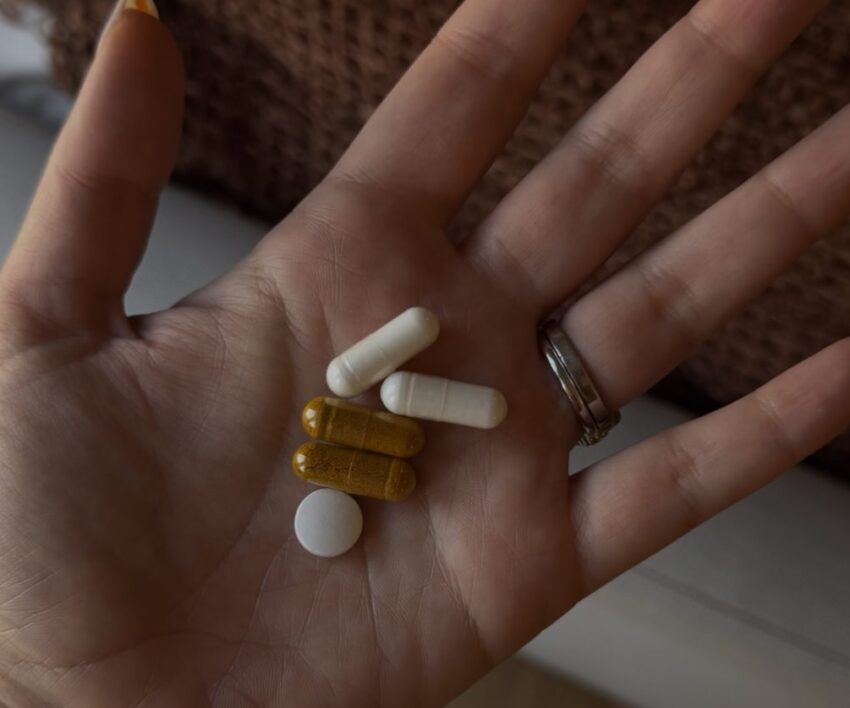
Picture: DupePhoto

Scroll through any wellness routine on social media, and you’ll likely see it as a neatly arranged lineup of capsules, powders, and tonics promising everything from glowing skin to balanced hormones. Supplement culture has become deeply embedded in modern health habits, particularly among women. But beneath the aesthetic morning routines and wellness checklists, an important question is emerging: are women over-supplementing?

Also see: Benefits of mushroom supplements for brain health

The answer isn’t entirely straightforward, but there are clear signs that for many, supplementation has shifted from supportive to excessive and sometimes, even counterproductive.

The rise of the “perfect routine”

Women today are more health-conscious than ever before. There’s a growing awareness around hormone health, gut health, stress, and longevity. While this shift is empowering, it has also created a subtle pressure to “optimise” every aspect of wellbeing.

Supplements are often marketed as quick fixes – magnesium for sleep, ashwagandha for stress, collagen for skin, probiotics for gut health, and so on. Individually, many of these can be helpful. But layered together without proper guidance, they can quickly turn into an overwhelming (and unnecessary) daily regimen.

Many women are taking 10–15 supplements a day without a clear understanding of what their bodies actually need.

Why over-supplementing happens

One of the biggest drivers is wellness overwhelm. With so much information available, it’s easy to feel like you’re always missing something. If one supplement improves energy, maybe three more will make you feel even better. This “more is more” mindset can lead to stacking products without considering interactions or actual deficiencies.

Another factor is targeted marketing toward women. The supplement industry often taps into specific insecurities – fatigue, bloating, hormonal imbalances, skin concerns – and positions products as essential solutions. Over time, these messages can make supplementation feel less like a choice and more like a requirement for feeling “normal.”

There’s also the influence of social media routines. When wellness influencers share their daily supplement stacks, it can create a sense of credibility and aspiration. But what works for one person based on their health history, lifestyle, and even genetics, won’t necessarily work for another.

The hormone health factor

Women navigating conditions like PMS, PCOS, or endometriosis often turn to supplements in search of relief. And in many cases, certain nutrients can be supportive. However, without testing or professional guidance, supplementation becomes a guessing game.

For example, taking iron without confirming a deficiency, or using multiple adaptogens at once, can disrupt the body’s natural balance rather than support it. Hormones are delicate, and more intervention doesn’t always mean better results.

When supplementing becomes a substitute

Another subtle shift is when supplements begin replacing foundational health habits. It’s easier to take a greens powder than consistently eat vegetables, or rely on sleep supplements instead of addressing stress, screen time, or bedtime routines.

Also see: Vitamins and supplements that boost energy

Supplements are designed to supplement – not replace nutrition, movement, and lifestyle. When they become the main strategy rather than a supportive addition, their effectiveness naturally declines.

The hidden risks

While many supplements are considered safe, over-supplementing can lead to unintended consequences. Fat-soluble vitamins like A, D, E, and K can build up in the body if taken excessively. Certain combinations can interfere with absorption, while others may strain the liver or digestive system over time.

There’s also the financial cost. Maintaining an extensive supplement routine can become expensive, often without delivering proportional benefits.

A more intentional approach

This doesn’t mean supplements are inherently bad or unnecessary. In fact, when used correctly, they can play a valuable role in supporting women’s health. The key is shifting from a reactive, trend-driven approach to a more intentional one.

Understanding your body through blood tests, professional guidance, or paying attention to symptoms can help identify what you actually need. Often, a simpler routine with a few targeted supplements is far more effective than a crowded shelf of products.

The modern wellness space has made it easier than ever to access tools that support our health, but it has also blurred the line between helpful and excessive. Over-supplementing isn’t about carelessness; it’s about trying to feel better, look better, and take control of their wellbeing.

But sometimes, the most powerful shift isn’t adding more – it’s doing less, with intention.

Because true wellness isn’t found in how many capsules you take each morning. It’s found in understanding what your body actually needs and trusting that it doesn’t require everything at once.

Compiled by Amy Steenkamp 

First published on Woman and Home 

Also see: Can Ashwagandha supplements help you stress less? Here’s what to know

Be the first to know – Join our WhatsApp channel for content worth tapping into. Click here to join!

More from Health & Wellness

Gut health obsession: Is it helpful or harmful?

International Whisky Day: Here are some benefits of drinking whisky

10 Daily Habits That Will Improve Your Mental Health Naturally

emotional burnout South Africa, strong one in the family, family pressure mental health, parentified child South Africa, eldest daughter burnout, hidden family caregiver stress, emotional exhaustion in families, South African family expectations, burnout and loneliness, women carrying family burdens, asking for help mental health, family responsibility stress, Bona Magazine

The emotional cost of being the ‘strong’ one in your family

    Primary Menu

    • Entertainment
      • Celebrity News
    • Fashion and Beauty
      • Hair
      • Beauty
      • Fashion
      • Weddings
    • Lifestyle
      • Love & Relationships
      • Parenting
      • Motoring
      • Food
      • Travel
        • Travel News
        • Property
    • Health & Wellness
      • Diet
      • Fitness
      • Health
    • Work & Money
      • Finance
      • Career
    • Sports
      • Soccer Mag
      • Sa Rugby Mag
      • Sa Cricket Mag
      • Compleat Golfer
      • American Sports
      • Multi Sport
    • Deals
      • Competitions
      • One Day Deals
      • Nationwide Deals
        • Deals in Cape Town
        • Deals in Johannesburg
        • Deals in Durban
        • Deals in Pretoria
        • Deals in Port Elizabeth
      • Accommodation Deals
      • Romantic Getaways
      • Food and Drink Deals
      • Experiences
      • Health and Wellness Deals
    • Pork Recipes
    • Africapicks

    • Contact Us
    • Terms and Conditions
    • Privacy Policy
    • Cookies Policy
    CAPE TOWN OFFICE: 15th Floor, The Box, 9 Lower Berg Street, Cape Town 8001, Western Cape > Telephone: (021) 416 0141
    © Copyright 2026 Bona Magazine
    ×

    SEARCH

    We only use cookies on this Site for particular features to work, the cookies do not collect and/or store any personal information about you.Ok