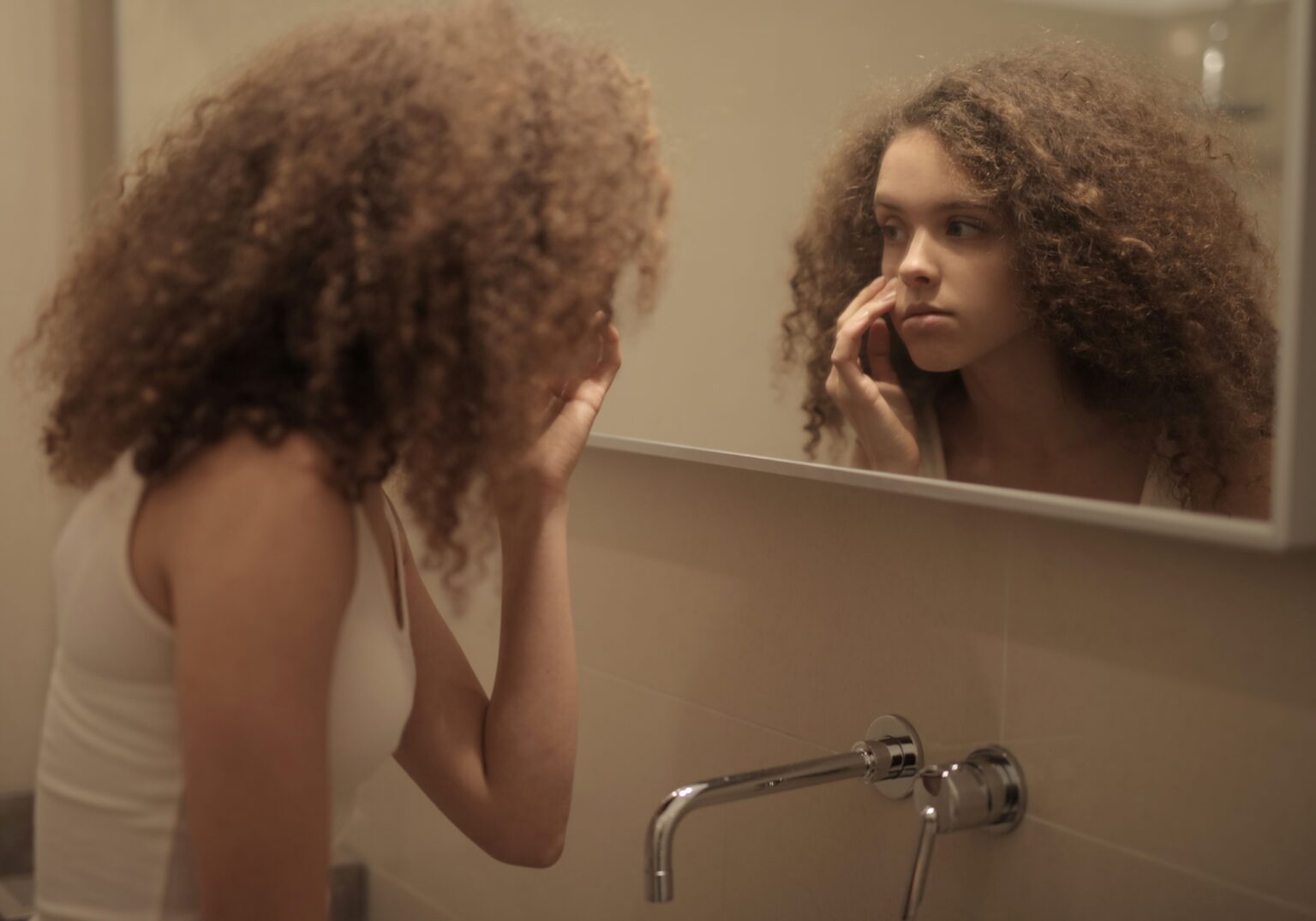
There has recently been a lot of media coverage about the increasing number of young children and teenagers using skincare products designed for adult skin. Social media is filled with videos of young girls (some as young as 8 or 9) showing off their latest skincare “hauls”, which often include serums packed with powerful active ingredients, chemical exfoliants, anti-ageing moisturisers, and more.
Experts have highlighted the dangers of applying adult skincare products to young skin, and parents are being urged to monitor their children’s and teenagers’ purchases and educate them about the risks. Dr Judey Pretorius, Biomedical Scientist & Founder of Biomedical Emporium Skincare, states that not only can these products cause skin sensitivity, redness, dermatitis, and breakouts on young skin, but they can also lead to long-term damage that is difficult to correct.
Also see: The rise of the bathroom selfie: How skincare became a signal of personal identity
What is cosmeticorexia?
But it’s not just the physical effects of anti-ageing skincare that parents should be concerned about. More and more young people are developing what experts are now referring to as “cosmeticorexia”, the unhealthy fixation or obsession with attaining flawless skin.
Although it is not (yet) a medically recognised condition, leading Italian researchers who studied the phenomenon and published a paper on the topic (read more about it here) suggest that cosmeticorexia “may represent a clinically relevant medical disorder.” One of the paper’s co-authors, Associate Professor Giovanni Damiani, noticed an increase in irritant and allergic contact dermatitis among young patients in his practice.
Not only did he notice that these young patients were using age-inappropriate skincare products, such as retinoid serums and alpha-hydroxy acids, but he also noticed a worrying behavioural trend. These patients were obsessed with skincare and beauty-related social media videos, and many of them displayed insecurities, such as not wanting to leave home without makeup.
This new obsession has now been compared to that of body dysmorphia. A well-known mental health condition, body dysmorphia sees patients obsess over bodily imperfections, often to a point where it has a damaging effect on their day-to-day lives.
Social media and beauty standards
It is widely believed that the cosmeticorexia phenomenon is fuelled by social media influencer culture, marketing campaigns targeting minors, and peer pressure. When children spend a lot of time online, and are presented with flawless faces and unrealistic beauty standards all day, it starts to affect their perceptions. Young people are, unfortunately, learning to fear imperfect skin and ageing.
If you spend time on social media, you may also have come across an internet subculture known as “looksmaxxing”. This trend focuses on maximising one’s physical appearance. The trend is categorised into “softmaxxing”, which refers to accessible self-improvement routines like dressing well, maintaining a good skin and hair regimen, and exercising, and “hardmaxxing”, which involves extreme and oftentimes drastic measures such as surgery, medical modifications, and the misuse of substances to alter body composition.
The term “looksmaxxing” originated on forums and online platforms that form part of the “manosphere”, a network of online communities that uphold strict and often aggressive definitions of traditional masculinity. In these communities, it is often communicated that physical attractiveness dictates success in life, resulting in a hyper-fixation on appearance in young people (mostly young men).
Cosmeticorexia is essentially the skincare-specific manifestation of the broader looksmaxxing culture.
Also see: Ingredients to look for in your skincare products
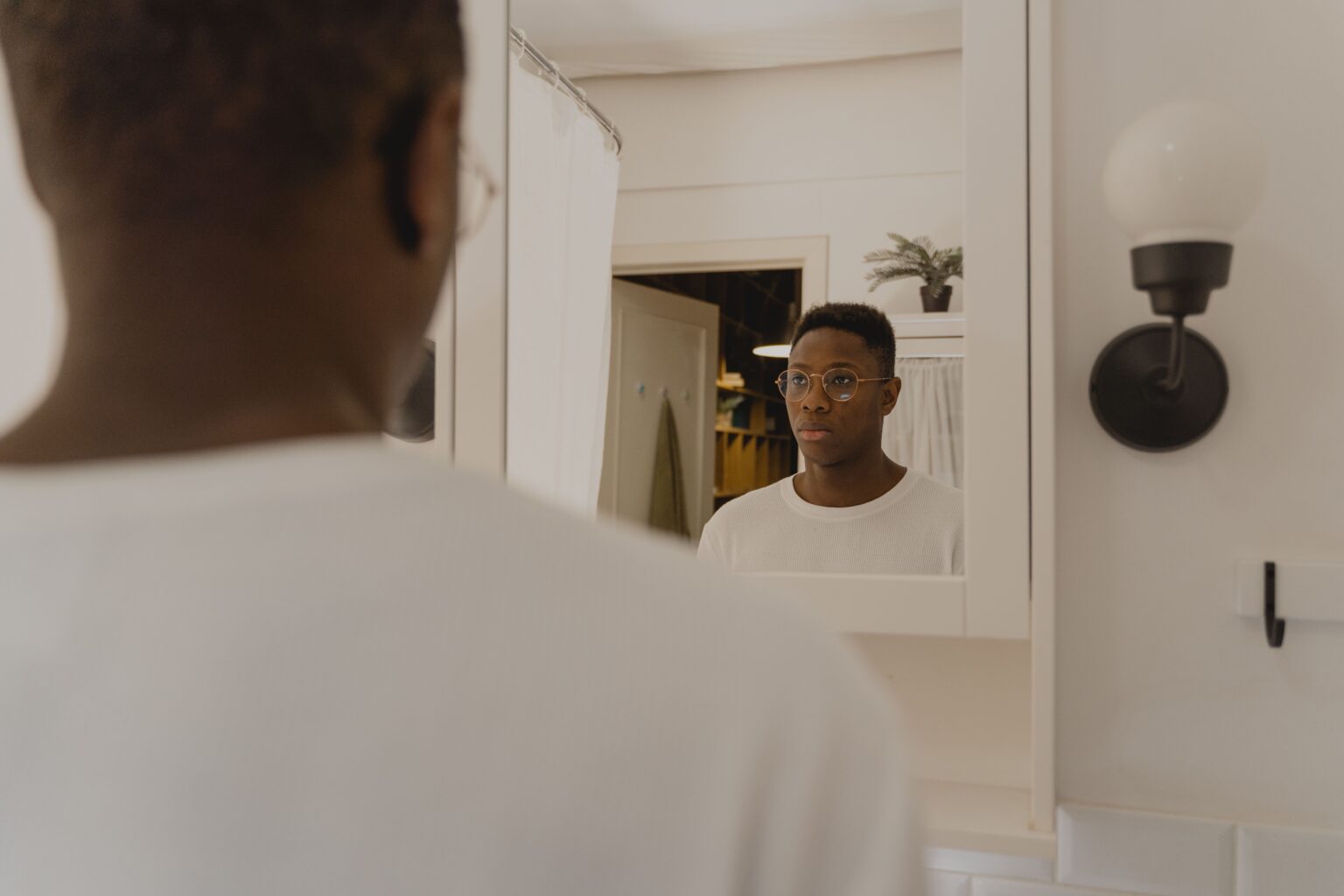
How does cosmeticorexia affect people of different ages and genders?
People of all ages and genders can be affected by cosmeticorexia. Among children and teenagers, this obsession with flawless skin often leads them to purchase and use age-inappropriate skincare products.
In adults, cosmeticorexia is equally dangerous and may lead to an obsession with invasive and non-invasive skincare procedures, including the over-use of injectables, or in extreme cases, an obsession with plastic surgery procedures.
No matter what your age or gender, the act of obsessing over your looks and skin imperfections can lead to unhealthy or extreme behaviour and have a lasting impact on one’s mental health.
What are some of the signs that parents can look out for?
Take note when your child or teen constantly checks the mirror and spends a lot of time examining their skin.
Be aware if they show distress over non-existent problems, such as fine lines, pore size, or freckles. They may also display signs of anxiety if their regimen cannot be followed or if they run out of a particular product.
Check what products they are buying and using. Spending large amounts of money on skincare or following an elaborate regimen may indicate an unhealthy relationship with skincare.
What can parents do to protect their children?
Education is the most powerful tool anyone can have in their arsenal. Parents need to educate themselves and then their children on the dangers of age-inappropriate skincare. Explain the risks to them, but also highlight the importance of maintaining a healthy skincare regimen from a young age. Tweens and teens should cleanse their skin with a gentle cleanser and apply an age-appropriate moisturiser and sun protection daily. Their skin does not need anything else.
Monitor their skincare purchases. When possible, accompany them to the store and help them to select age-appropriate products. If you see them using a product you are unfamiliar with, check the ingredients to ensure it is suitable for them.
Talk to your children openly about social media. They must understand that the flawless, filtered faces they are presented with are not real and that the unrealistic beauty standards showcased on these platforms should not be pursued.
Also see: Why are dermatologists concerned about social media skincare for teens?
Be the first to know – Join our WhatsApp channel for content worth tapping into. Click here to join!