
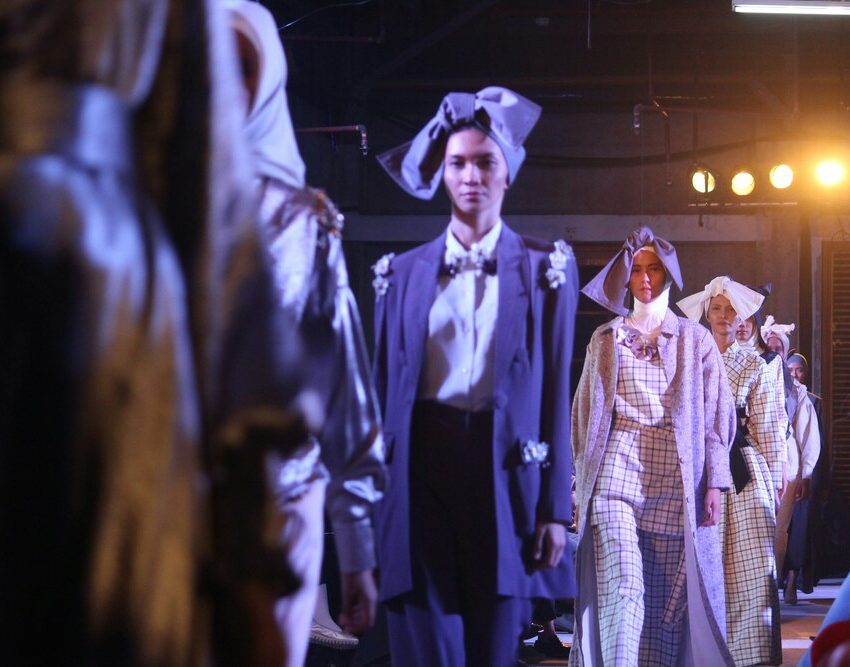
Every year on April 24, millions around the world mark Fashion Revolution Day—a global movement calling for greater transparency and accountability in the fashion industry.
In South Africa, the day carries particular significance, highlighting ongoing challenges within the local textile sector while encouraging more conscious consumer choices.
Also see: How designer Lukhanyo Mdingi merges heritage and luxury fashion
Fashion Revolution Day was born in response to the Rana Plaza collapse, a tragedy that exposed unsafe working conditions and exploitative labour practices in the global fashion supply chain. Since then, the movement has grown into a worldwide campaign urging consumers to ask a simple but powerful question: “Who made my clothes?”
In the South African context, that question resonates deeply. The country’s clothing and textile industry has long faced pressures from cheap imports, factory closures and job losses. Many garment workers continue to deal with low wages and limited job security, making the call for ethical production and fair labour practices especially relevant.
At the same time, South Africa has a vibrant community of local designers and manufacturers striving to build sustainable, homegrown fashion brands. Fashion Revolution Day provides an opportunity to spotlight these creatives and encourage consumers to support locally made products. Advocates argue that choosing local not only strengthens the economy but also promotes better working conditions and craftsmanship.
Local designers say the movement is crucial in shifting both industry standards and consumer mindsets. “South Africans have incredible talent, but we need more support at home,” said Thebe Magugu. “When people choose local, they’re investing in jobs, skills and the future of our industry.”
For designer Rich Mnisi, the focus is also on identity and storytelling. “Fashion is not just about trends—it’s about culture and history. When we produce locally, we tell our own stories in our own way, and that’s powerful,” he said.
Also see: Tyla turns heads with Y2K-inspired style at Paris Fashion Week
Sustainability is another key concern. “We can’t ignore the environmental impact of what we produce and consume,” added Laduma Ngxokolo. “Responsible fashion means thinking about the entire lifecycle of a garment—from the materials to how it’s worn and eventually discarded.”
Environmental concerns are central to the broader conversation. The rise of fast fashion has contributed to increasing levels of textile waste, with discarded clothing often ending up in landfills. By promoting recycling, upcycling and mindful purchasing, Fashion Revolution Day encourages South Africans to rethink their relationship with clothing and reduce their environmental footprint.
Beyond activism, the day also celebrates African identity and creativity in fashion. From traditional textiles to contemporary design, South African fashion reflects a rich cultural heritage that continues to influence global trends.
Across the country, individuals, organisations and designers mark the day through social media campaigns, workshops and community events. Hashtags like #WhoMadeMyClothes serve as a reminder that every garment has a human story behind it.
As the movement continues to grow, Fashion Revolution Day is becoming more than just a moment of reflection—it is a call to action. It underscores the power of consumer choices to drive change, supporting a fashion industry that is not only stylish but also ethical, sustainable and fair.
Also see: Rich Mnisi celebrates 10 years of impact in the fashion industry
Be the first to know – Join our WhatsApp channel for content worth tapping into. Click here to join!