
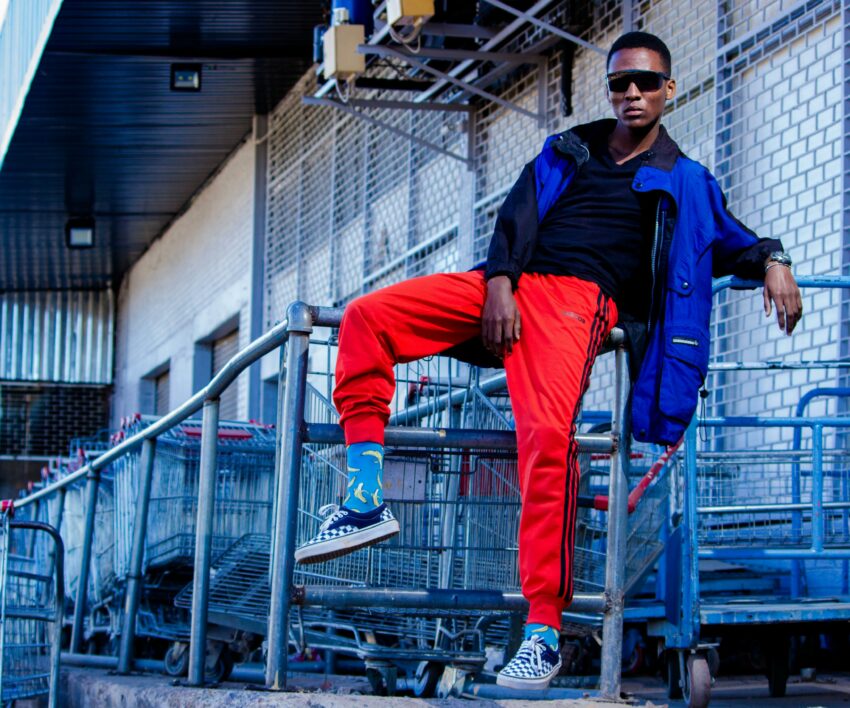
How Amapiano Changed South African Fashion and Youth Culture
Before Amapiano became a global sound, you could already see it in the clothes.
Long before international festivals, TikTok dance challenges, and sold-out tours, there was a very specific Johannesburg energy attached to the genre — a mix of township cool, luxury aspiration, streetwear confidence, and effortless style that felt uniquely South African.
And honestly, Amapiano didn’t just create a music movement.
It created a fashion identity.
Today, you can almost recognise “Piano fashion” instantly:
- oversized streetwear,
- designer sneakers,
- bucket hats,
- luxury sunglasses,
- cargos,
- clean white sneakers,
- matching sets,
- and that relaxed-but-expensive aesthetic Joburg youth culture became famous for.
The music changed how young South Africans dressed, posed, partied, and presented themselves online.
And the influence is still growing.
Amapiano Created Its Own Fashion Language
One of the reasons Amapiano fashion became so influential is because it never felt overly polished or forced.
Unlike older eras of celebrity fashion that relied heavily on stylists and international trends, Amapiano style grew organically from township culture, streetwear, and everyday youth fashion in Gauteng. (okayafrica.com)
It blended:
- local kasi culture,
- luxury fashion aspiration,
- dance culture,
- and social media aesthetics
into something that felt authentic to young South Africans.
Fashion commentators say Amapiano style reflects both accessibility and aspiration at the same time. (voguebusiness.com)
You didn’t need luxury designer clothing to participate in the aesthetic — but looking “clean” became part of the culture.
Sneakers Became a Status Symbol
If there’s one thing Amapiano culture made impossible to ignore, it’s sneaker culture.
Fresh sneakers became almost non-negotiable in many Amapiano social spaces, especially in Johannesburg nightlife and groove culture. (highsnobiety.com)
Brands like:
- Nike,
- Air Force 1,
- New Balance,
- Bathu,
- and Jordan
became heavily associated with the Amapiano lifestyle aesthetic.
But local sneaker culture also exploded because of the genre’s influence. South African brands like Bathu gained major visibility through musicians, influencers, dancers, and nightlife culture linked to Amapiano. (fashioncronical.com)
And honestly, “drip” became part of the music experience itself.
Looking good mattered almost as much as sounding good.
The Rise of Township Luxury Style
One of the most interesting things about Amapiano fashion is how it blurred the line between streetwear and luxury.
The genre popularised a style that mixed:
- designer brands,
- local fashion labels,
- streetwear,
- and township influences
without apology.
Luxury sunglasses, Louis Vuitton-inspired styling, oversized graphic pieces, and flashy accessories became heavily tied to the “Piano star” image. (okayafrica.com)
But unlike traditional luxury fashion culture, Amapiano style often feels more playful and expressive than formal.
It’s less about “quiet luxury” and more about visible confidence.
Women in Amapiano Changed Beauty Trends Too
Amapiano didn’t only influence clothing.
It completely reshaped beauty aesthetics among young South African women.
The rise of female DJs, influencers, dancers, and performers helped popularise:
- bold wigs,
- laid edges,
- long lashes,
- glossy lips,
- designer-inspired nails,
- matching two-piece sets,
- and hyper-feminine nightlife styling.
Beauty and nightlife culture became deeply connected to the visual identity of the genre. (okayafrica.com)
At the same time, many women balanced glam aesthetics with sporty streetwear, oversized jackets, sneakers, and relaxed silhouettes.
That mix became part of the “Amapiano girl” aesthetic online.
Social Media Made the Amapiano Aesthetic Global
TikTok, Instagram, and YouTube helped push Amapiano fashion far beyond South Africa.
Dance challenges, music videos, nightlife content, and influencer culture turned local Johannesburg and Pretoria street style into an international trend. (voguebusiness.com)
And unlike older music scenes, Amapiano’s visual identity spread almost in real time online.
People weren’t just listening to the music.
They were studying:
- outfits,
- hairstyles,
- dance moves,
- club aesthetics,
- and lifestyle culture too.
The genre became a full visual ecosystem.
Local Fashion Brands Benefited Too
One of the biggest positive effects of Amapiano culture is how much visibility it created for South African fashion brands.
Artists and influencers regularly wear local streetwear labels, sneaker brands, and designers in:
- music videos,
- performances,
- Instagram shoots,
- and nightlife appearances.
That visibility helped push South African fashion into global conversations alongside the music itself. (highsnobiety.com)
Amapiano made local fashion feel cool internationally.
And honestly, that cultural export matters.
Why Amapiano Fashion Feels So Different
Part of what makes Amapiano fashion so influential is that it feels lived-in rather than manufactured.
It reflects:
- Johannesburg nightlife,
- township ambition,
- youth creativity,
- social media culture,
- hustle culture,
- and South African confidence
all at once.
It’s expressive without trying too hard.
Flashy without always being formal.
Trend-aware without losing local identity.
And because the genre itself keeps evolving, the fashion keeps evolving with it.
Amapiano changed far more than playlists in South Africa.
It reshaped youth culture, nightlife aesthetics, beauty standards, and fashion identity in ways that are still unfolding today.
And maybe the reason the style resonates so strongly is because it feels unapologetically South African.
Not borrowed.
Not overly filtered.
Not trying to imitate anyone else.
Just local culture moving confidently enough for the world to finally notice it.
Also see: Rachel Kolisi lands in hospital: ‘All is well’
Featured Image: Pexels
Be the first to know – Join our WhatsApp channel for content worth tapping into. Click here to join!