

Across South Africa and the broader continent, a culinary and wellness renaissance is taking root as experts urge a return to traditional African ingredients. For decades, Westernised diets dominated by ultra-processed foods, refined sugars, and introduced crops have largely displaced indigenous staples.
Also see: WHAT TO KNOW ABOUT DEHYDRATION DURING HOT WEATHER
However, groundbreaking research from leading universities, global nutrition organisations, and visionary chefs is proving that reclaiming ancestral foodways is essential for combatting chronic lifestyle diseases and reclaiming optimal health.
The scientific powerhouse of indigenous grains and pulses
Traditional African small-grain cereals, such as sorghum, teff, and pearl millet, alongside drought-resistant pulses like Bambara groundnuts and cowpeas, are taking centre stage in modern nutritional science.
Research published by the Human Sciences Research Council (HSRC), under the leadership of agricultural development experts such as Professor Tafadzwa Mabhaudhi, emphasises that indigenous crops are vital to solving South Africa’s nutrition and health security challenges.
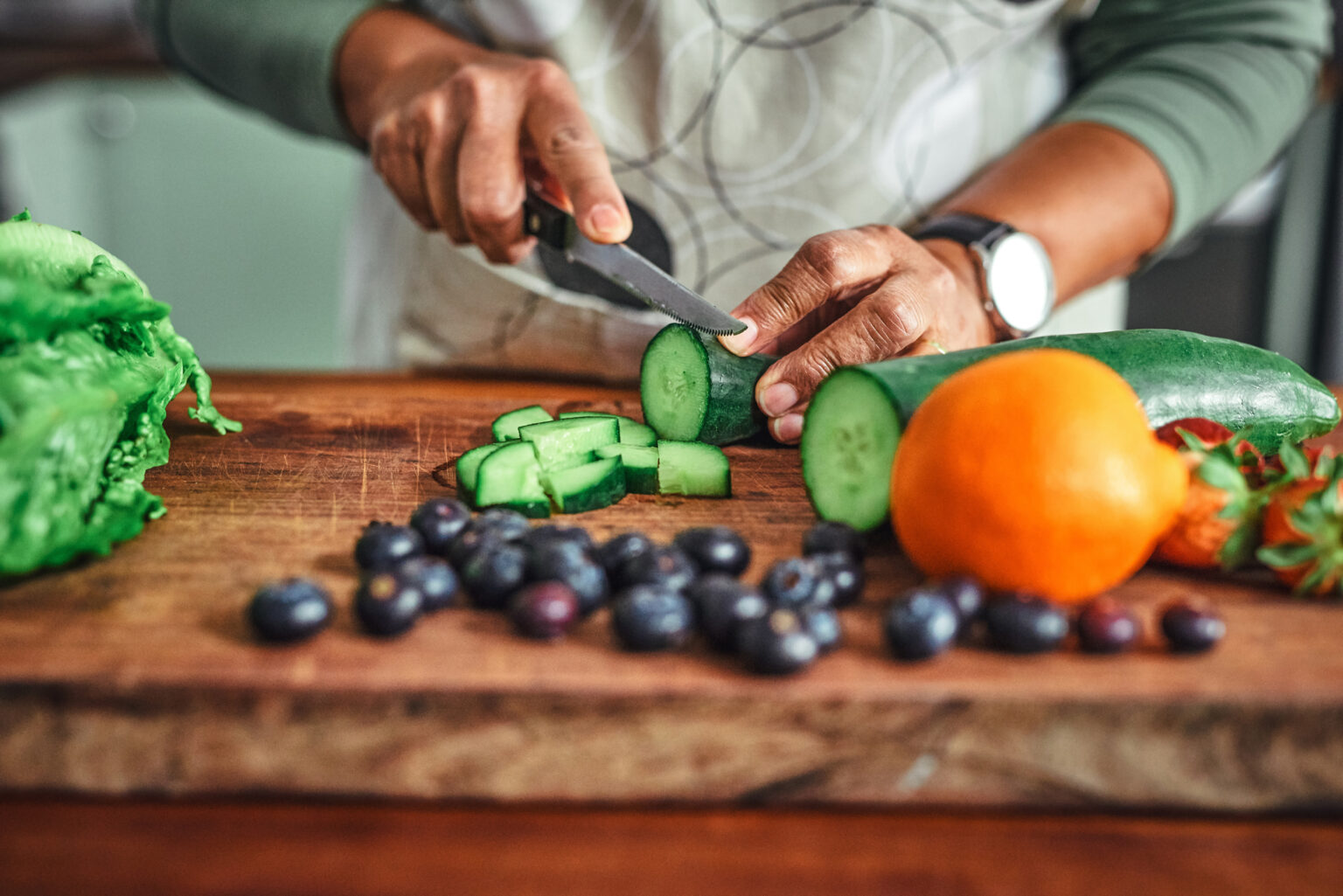
Unlike heavily refined grains, sorghum and pearl millet are rich in complex carbohydrates, dietary fibre, and polyphenols. Studies from global institutions, including research led by Dr Judith Okoth, highlight that these traditional grains possess low glycemic indices, making them natural powerhouses for managing type-2 diabetes, lowering serum cholesterol, and preventing cardiovascular disease.
Additionally, indigenous legumes like the Bambara groundnut deliver complete plant proteins, essential amino acids, and high iron levels without the inflammatory markers associated with heavily processed alternatives.
Wild leafy greens as modern superfoods
Dark, indigenous leafy greens, often referred to locally as morogo or imifino, alongside wild plants like Bidens pilosa (black jack), are being re-evaluated for their exceptional micronutrient density.
Academic reviews in the Journal of Ethnic Foods and local university agricultural faculties show that wild African greens far surpass introduced vegetables like iceberg lettuce or cabbage in beta-carotene, calcium, iron, and bioavailable vitamins.
Also see: 5 SIMPLE WAYS TO REDUCE FOOD WASTE IN THE KITCHEN
Dr Peter Jacobs of the HSRC notes that shifting back to local, nutrient-dense produce directly combats micronutrient deficiencies while offering potent anti-inflammatory and antioxidant properties.
Bioactive compounds found in wild greens act as natural free-radical scavengers, supporting gut microbiota, enhancing immunity, and protecting against cellular damage.
Culinary pioneers bridging heritage and modern wellness
The movement toward traditional ingredients is not confined to laboratories; it is actively thriving in modern kitchens. Culinary champions such as South African Chef Siphiwe Sithole, founder of African Culinary Heritage, and global advocates like Chef Pierre Thiam are championing ancient grains like fonio and sorghum on international stages.
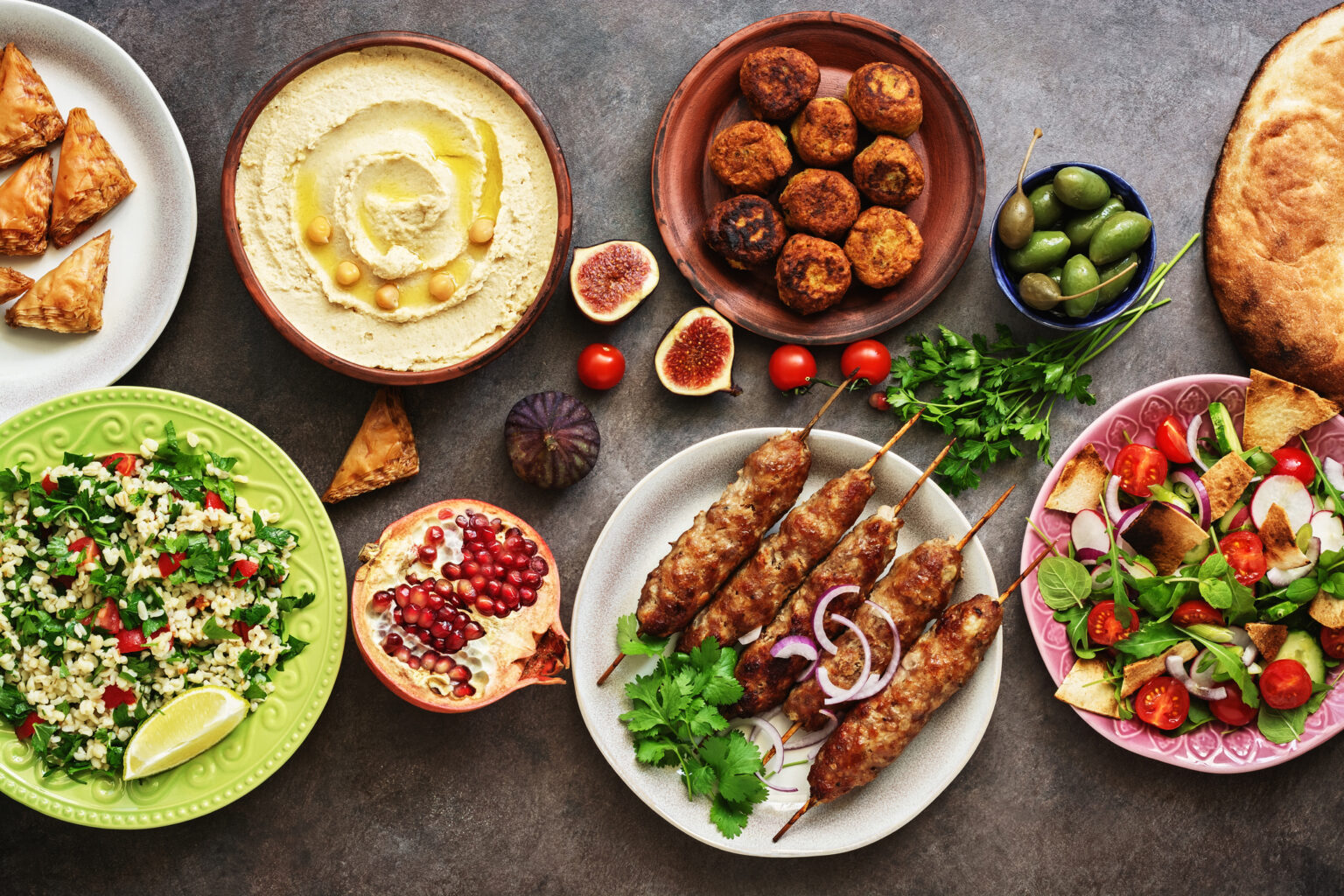
By transforming ingredients like amadumbe (taro root), cassava, and wild spinach into contemporary culinary masterpieces, these chefs demonstrate that ancestral ingredients offer both gourmet flavour and uncompromised wellness.
Global health organisations have taken note as well. The Boston-based food and nutrition non-profit Oldways established the African Heritage Diet Pyramid, an evidence-based framework designed by nutritionists and historians.
Oldways highlights that traditional African diets, naturally high in vegetables, tubers, legumes, and whole heritage grains, offer a protective blueprint against hypertension, obesity, and metabolic syndrome. Embracing these native staples honours rich cultural heritage while paving the path toward sustainable, lifelong vitality.
Featured image: iStock/golero
Also see: NUTRITIOUS FOODS TO HELP FUEL YOUR BODY AND BRAIN
Be the first to know – Join our WhatsApp channel for content worth tapping into. Click here to join!