In an increasingly competitive global film circuit, having a finished film or script is only half the battle.
Whether submitting a project in development to festival labs, co-production markets, or pitching for distribution at festival industry hubs, a compelling, professionally structured pitch deck is essential.
Also see: MAGLERA DOE BOY SHARES FIRST LOOK OF NEW SHORT FILM ‘MZANSI’
A great pitch deck translates your visual vision, narrative core, and commercial viability into a clean, digestible format that captivates festival programmers, lab curators, and potential executive partners.
Mastering the core story and narrative deck structure
According to industry guides published by organisations like the Writers Guild of South Africa (WGSA) and the Independent Filmmaker Project (IFP), a strong pitch deck should be visually striking, concise, and focused, typically spanning between 10 and 15 slides without overwhelming the reader.
The opening section must establish immediate artistic intent, starting with high-impact cover artwork, working title graphics, and core production contacts. From there, a crisp logline defines the protagonist, central conflict, and high-concept stakes in one or two engaging sentences.
Following the logline, the story synopsis breaks down the central narrative driving forces and emotional arcs without getting bogged down in minor subplots. Finally, character profile slides bring the world to life, detailing core motivations and visual presence using high-quality reference stills or cast attachments.
Also see: TIPS AND GUIDE: HOW TO WRITE AND PRODUCE A SHORT FILM
Articulating vision, tone, and cinematic style

Festival programmers at events like FESPACO, Cannes, and Toronto International Film Festival (TIFF) evaluate projects based on directorial voice and visual intent. Your deck must clearly demonstrate how your story will look, feel, and sound on screen through a dedicated director’s statement.
As research from the Tisch School of the Arts at NYU highlights, this personal statement shares the artist’s connection to the material, why the story needs to be told now, and the primary thematic message intended for global audiences.
Visual mood boards further solidify the film’s tone by using curated reference stills to establish cinematography style, lighting ratios, colour palettes, and spatial atmosphere. If the project features a distinct cultural environment or specialised locale, contextualising the world ensures the setting functions as its own vivid character.
Market positioning and creative team credentials
Beyond artistic vision, festival markets and lab panels require proof that a project is realistic, viable, and backed by a capable production team. Including comparable titles helps anchor the film’s market placement by referencing two or three existing successful films that share a similar genre, tone, target demographic, or budget scale.
The closing section highlights the creative team’s track record through brief bios for the director, writer, and lead producer, showcasing past festival selections, awards, or production credits. Concluding with a clear project status update and timeline, it outlines pre-production milestones, target festival premiere goals, and prospective distribution strategies.
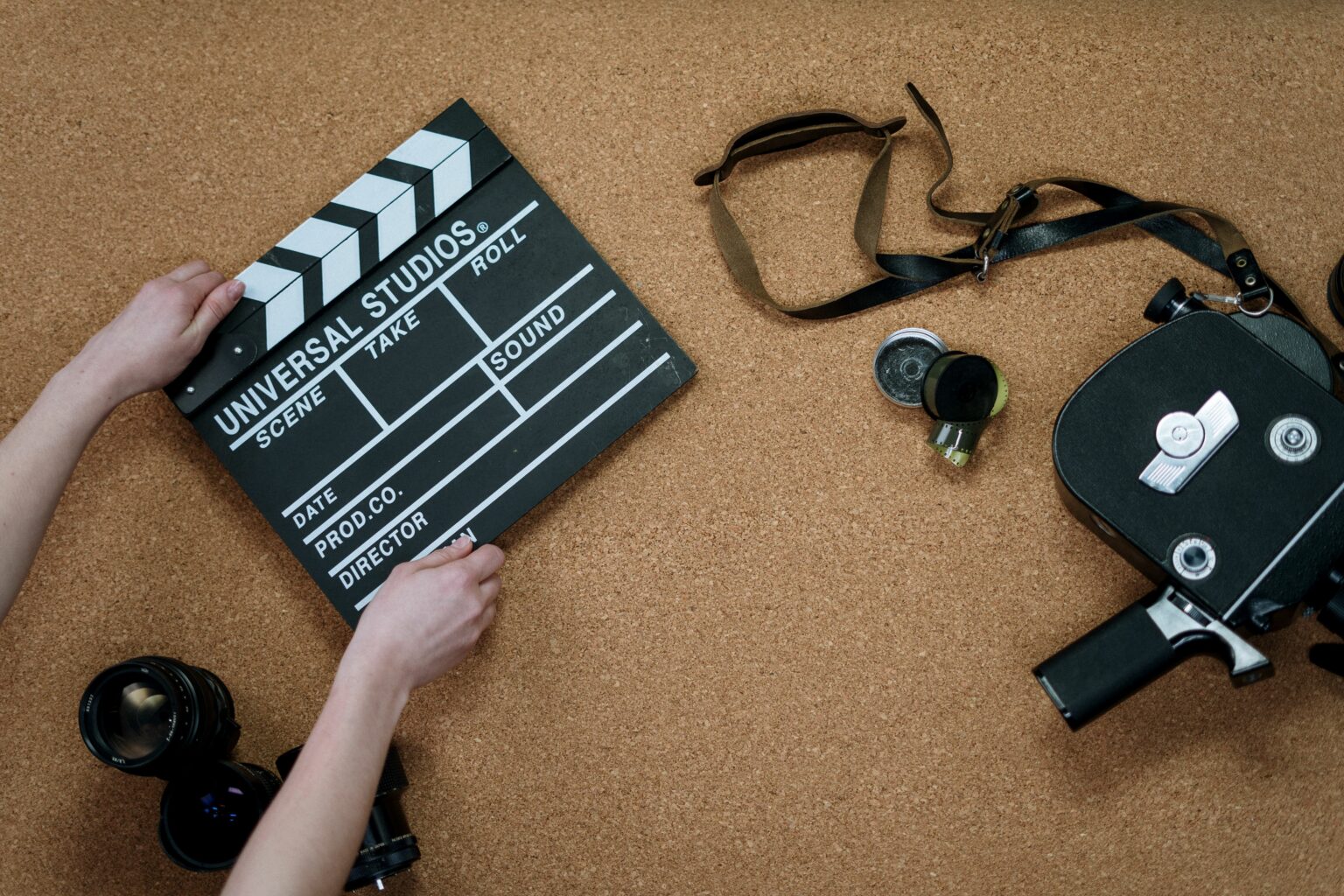
Featured image: Pexels/cottonbro studio
Also see: LUCKY ISIBAYA TEAMS UP WITH THOBANI NZUZA FOR NEW SHORT FILM ‘AMALOBOLO’
Be the first to know – Join our WhatsApp channel for content worth tapping into. Click here to join!