
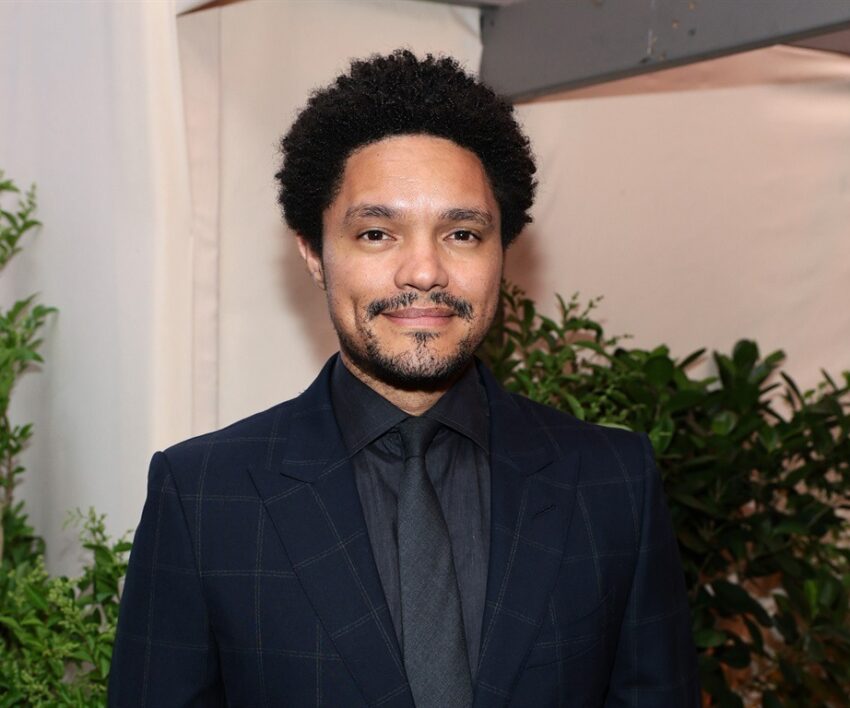
The end of an era: a South African on the Grammy stage
For millions of music and comedy lovers around the world, the first Sunday in February has become synonymous with Trevor Noah’s warm wit and sharp humour lighting up music’s biggest night. But this year, there is a special twist. On February 1, the South African comedian will step up on stage at the 68th Annual Grammy Awards for what promises to be his final time as host, closing out an unprecedented six-year run that has become part of Grammy tradition.
As fans across Mzansi and beyond buzz online, you’ll see a mix of pride and nostalgia. On social media, South Africans have been celebrating his achievement with hashtags and reminiscing about his early days growing up in Johannesburg and Soweto before he conquered global stages. For many, this moment isn’t just about the music; it’s about watching one of their own take centre stage on a global platform.
A run that became part of the show’s identity
Noah first took up hosting duties at the Grammy Awards back in 2021 and never looked back. That initial stroll down the red carpet marked the beginning of a run that would see him stand at the podium every year. Over time, his blend of observational jokes and effortless charm became part of the ceremony’s rhythm, sometimes playful, sometimes profound, and always honest. Looking back at his six years, you can see how his voice became a bridge between the world of comedy, music, and culture.
In Grammy history, only a handful of hosts have had such longevity. Old-timers might remember Andy Williams, who led the hosting pack in the 1970s. Now Noah stands just one step shy of that record, his name woven into the awards’ lore.
Behind the mic and behind the scenes
This time around, Noah isn’t just the face on stage. He also serves as an executive producer for the 2026 ceremony, helping shape the show’s creative direction. As viewers in South Africa settle in early morning hours to watch live on television or streaming, the moment carries extra weight. His professional evolution from stand-up stages to global television screens and now to major award production tells a broader story of his impact on entertainment worldwide.
The Grammys themselves are undergoing change, too. After decades of broadcasting on CBS, this will be the last year under that partnership before the show moves to new networks next year. That shift adds a symbolic layer to Noah’s farewell; it’s not just one host leaving, it feels like a changing of the guard for the entire event.
What’s on the night
This year’s nominations reflect the diversity of today’s music scene, with big names like Kendrick Lamar and Lady Gaga among favourites. Several African artists are also in contention as global music continues to embrace sounds from the continent.
Whether you’re tuning in for the performances or Noah’s final monologue, there’s a sense that this year’s Grammys will be more than an awards show. For many fans here in South Africa, viewers are planning watch parties and sharing memories of Noah’s funniest moments online, a testament to how deeply his presence has resonated with audiences everywhere.
Old clips of his most unforgettable jokes, his thoughtful reflections on culture, and celebrations of African artists have been circulating across platforms. It’s clear this farewell isn’t just a broadcast but a shared global event with a uniquely South African heart.
Trevor Noah’s final curtain call at the Grammy Awards on February 1 feels less like a goodbye and more like a full-circle moment, a celebration of laughter, music, and the unique voice of a comic from Johannesburg who made the world laugh.
Source: Briefly News
Featured Image: News24