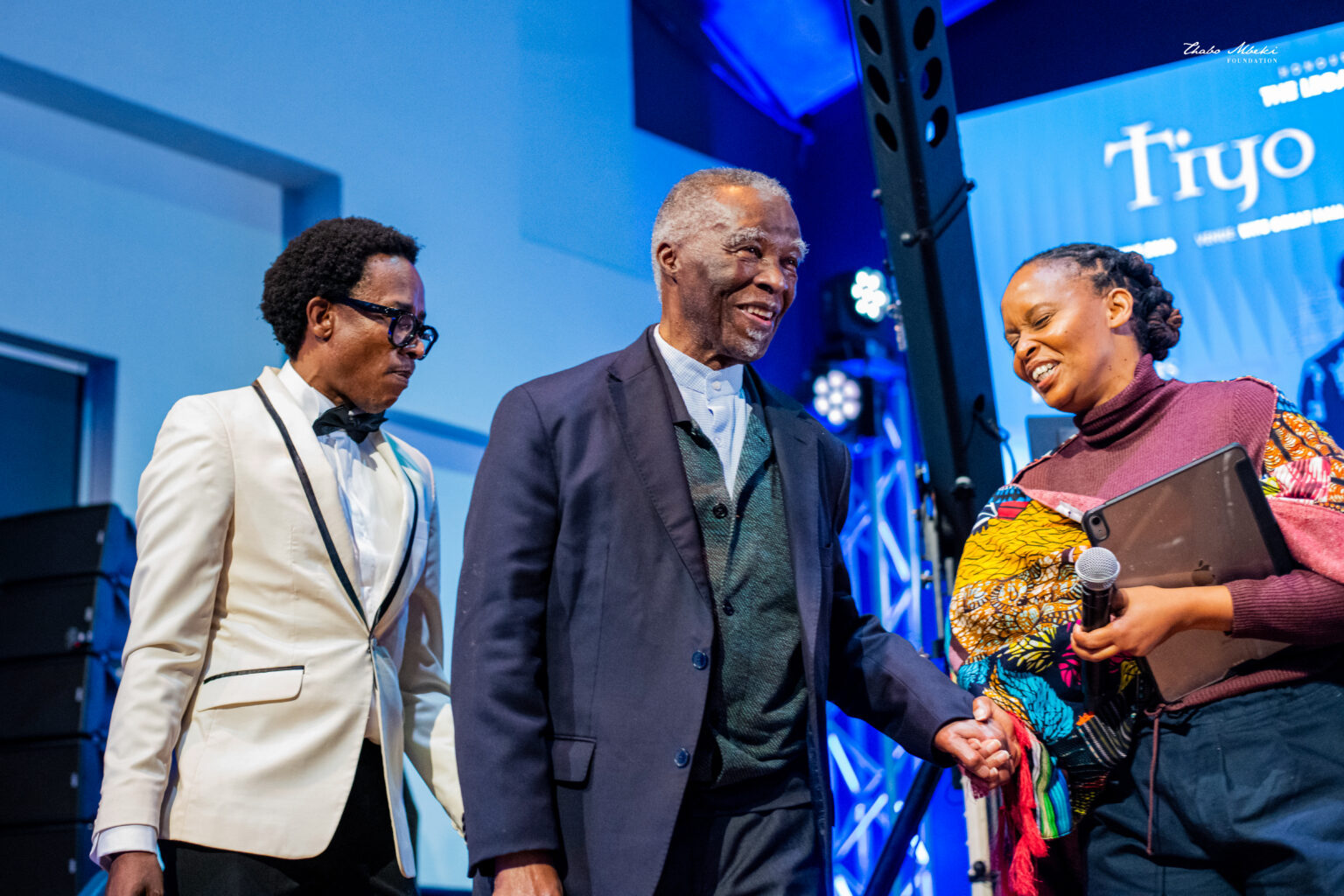
Most South Africans have sung Tiyo Soga without ever being told whose words they were singing. Lizalis’ idinga lakho, fulfil your promise, has carried congregations through funerals and steadied crowds at political gatherings for over a century and a half. The melody endured; the name attached to it did not. On Saturday, 20 June 2026, the Thabo Mbeki Foundation and Classics on Turf put that name back in the room.
Also see: 5 minutes with musician Mandisi Dyantyis
The concert billed as ‘Honouring the Legacy of Tiyo Soga’ was held at the Wits Great Hall, Johannesburg, marking the eighty-fourth birthday of Foundation Patron President Thabo Mbeki.

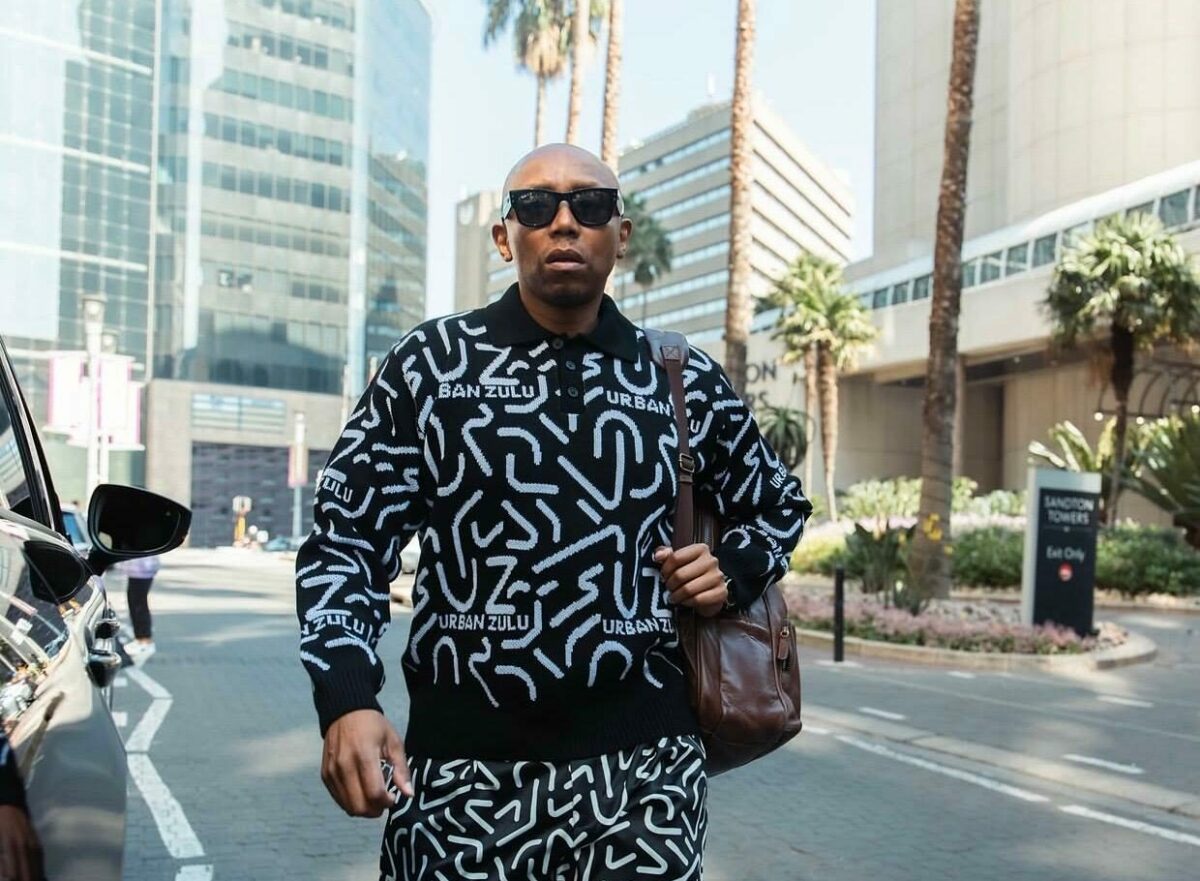
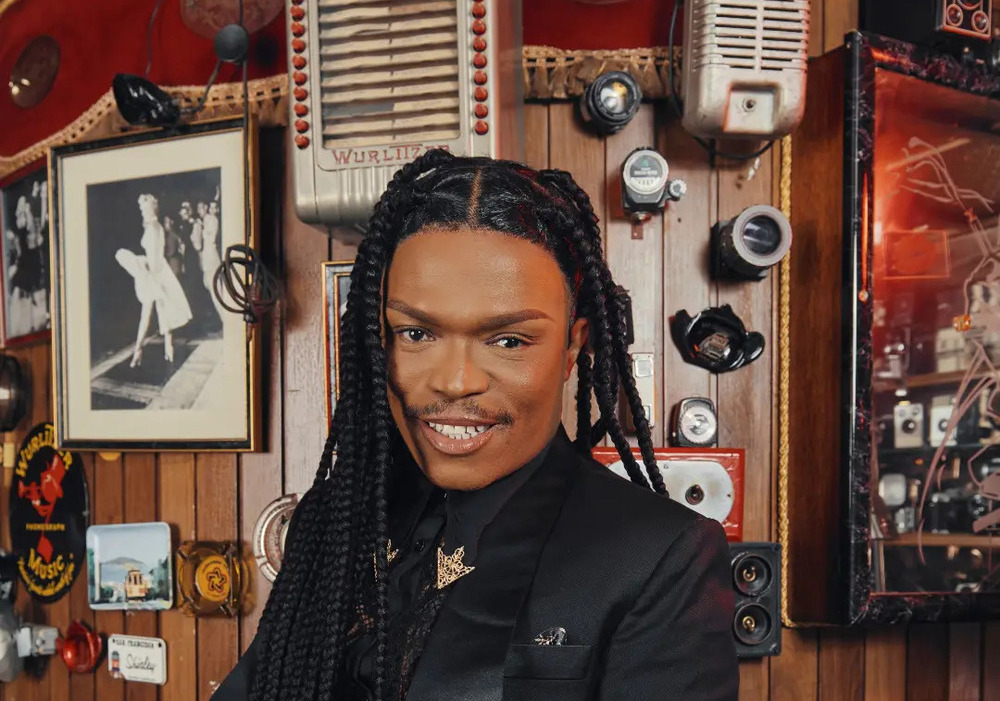
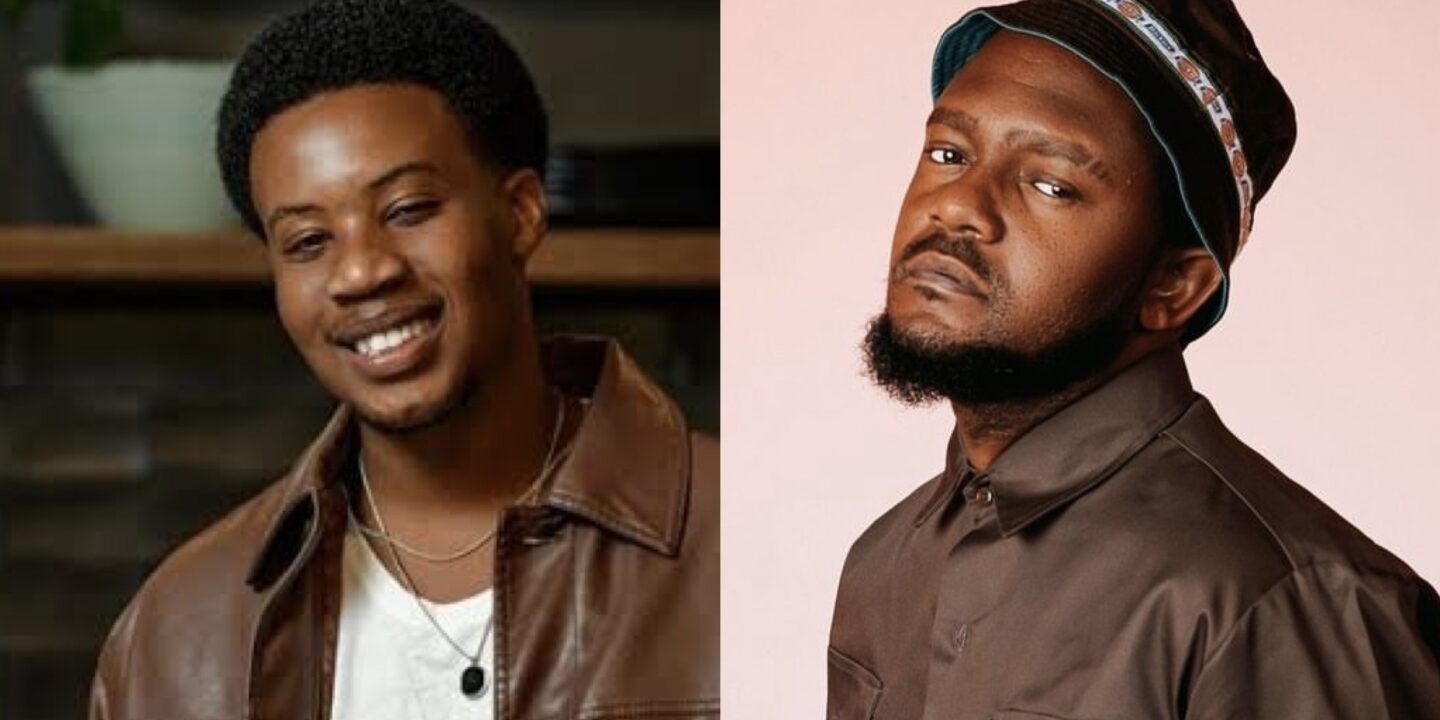
The evening featured Afro-soul and jazz musician Mandisi Dyantyis as creative director and lead performer, joined by the Chamber Orchestra of Johannesburg and the Renaissance Singers under conductor Kutlwano Masote.
More about Tiyo Soga
Tiyo Soga was born in 1829 near Alice in the Eastern Cape. He became the first ordained black minister this country produced, translator, essayist, journalist and composer of more than thirty hymns.
In August 1862, he founded the Xhosa-language newspaper Indaba, writing under the name Nonjiba waseluhlangeni, the Dove of the Nation. In its opening issue, he called the paper a container: into it, he urged, the elderly should pour their knowledge, and every story, custom and remembered deed should be kept, because the deeds of a nation are worth more than its cattle and its money.

His most celebrated composition, Lizalis’ idinga lakho, became the unofficial anthem of resistance to colonial oppression long before Nkosi Sikelel’ iAfrika was written. Other hymns; Khangelani nizibone, Vuthelani ixilongo, together with his 1866 isiXhosa translation of John Bunyan’s Pilgrim’s Progress, remain celebrated as groundbreaking works in the African literary and spiritual canon.
Also see: Musical legends honoured at The Rebirth of Ubuntu concert
Honouring President Thabo Mbeki
President Mbeki has long held that the African Renaissance did not begin in his generation. It has deep roots in the lives and labours of African thinkers who, long before us, refused the erasure of African humanity and insisted on the dignity of African thought, faith, and culture.
The Foundation has chosen to honour him by lifting up the figure he has long named as something close to the father of the African Renaissance, not with applause alone, but by doing the very work he believes in.
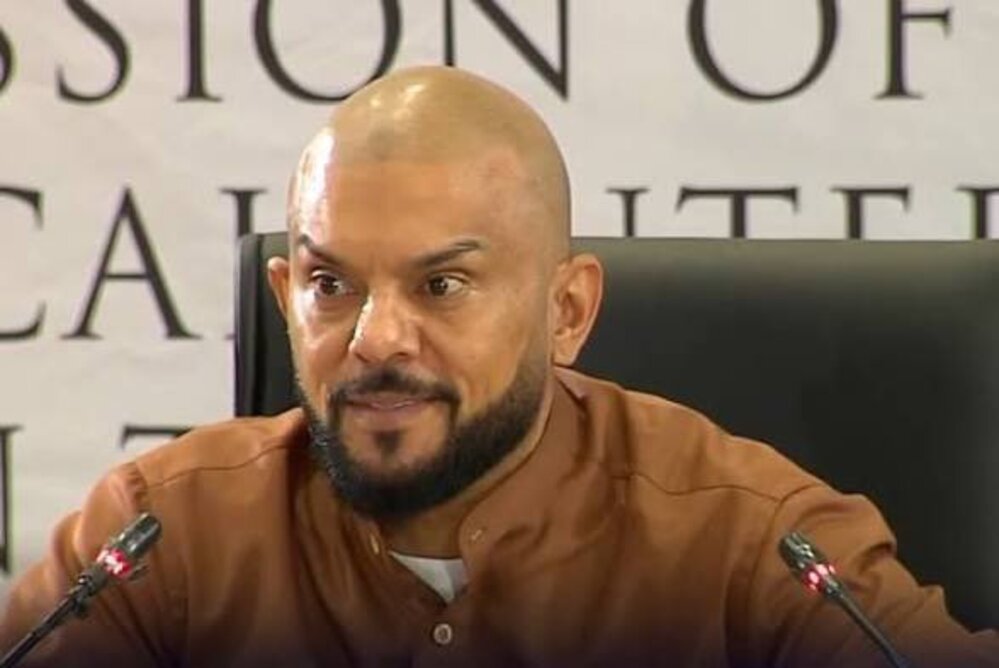
Max Boqwana, Chief Executive Officer of the Thabo Mbeki Foundation, situated the tribute within this longer intellectual lineage:
“To honour President Mbeki on his 84th birthday by returning Soga’s voice to the public stage is, for the Foundation, the most fitting tribute we could offer. It is a tribute that places our Patron within the very tradition he has spent his life recovering and advancing.”
For the concert, Dyantyis and Masote were not embalming Soga. They were doing to his music what every living tradition does to its inheritance, handling it, turning it over, making it speak in old, new and different ways. The concert took from the granary and added to it in the same motion, the cycle on which the Renaissance depends.

The concert was built on the collaboration between the Thabo Mbeki Foundation and Classics on Turf, building on their successful celebration of President Mbeki’s birthday in June 2025.
Soga wrote at a time when colonial voices predicted, with great confidence, that the African would wither and disappear. He refused the prophecy.
Rather than accept a fate dictated by someone else’s convenience, he championed his people’s enduring right to belong and author their own futures. He pressed for unity across the lines that divided black people from one another, holding that for a people pressed from every side, union above all things is strength.

Also see: Thabo Mbeki turns 84: Facts about South Africa’s former president
Be the first to know – Join our WhatsApp channel for content worth tapping into. Click here to join!