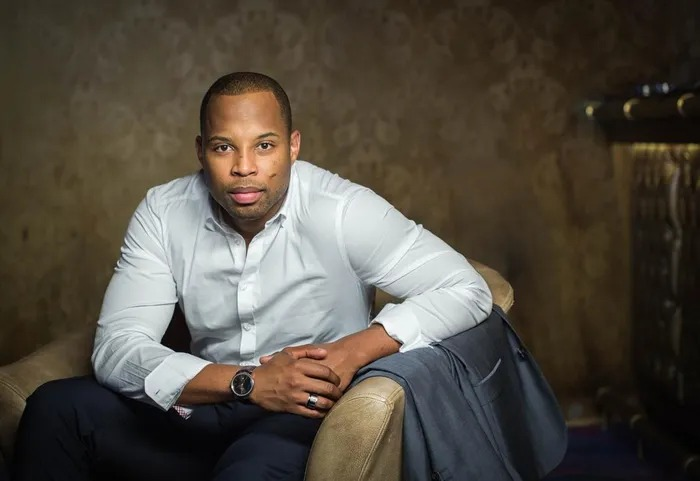
It started like many social media moments do in South Africa: a quick exchange, a sharp reply, and then suddenly, everyone had an opinion.
Media personality Sizwe Dhlomo found himself trending after a heated interaction with a social media user sparked widespread criticism, with some accusing him of crossing the line into poverty-shaming. Within hours, timelines were flooded with reactions, hot takes, and a familiar question that often follows public figures online: when does a clapback go too far?
A moment that spiralled
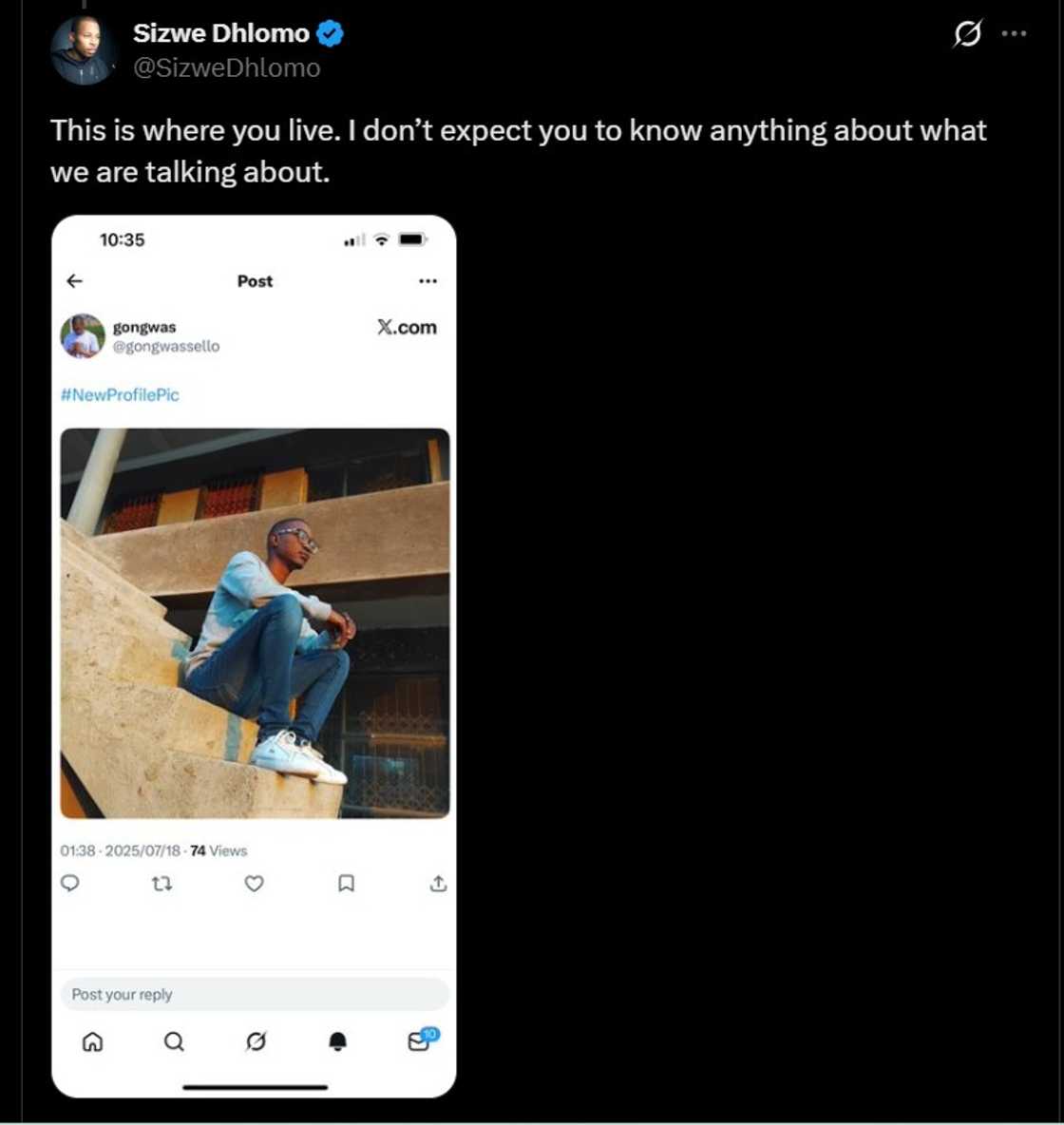
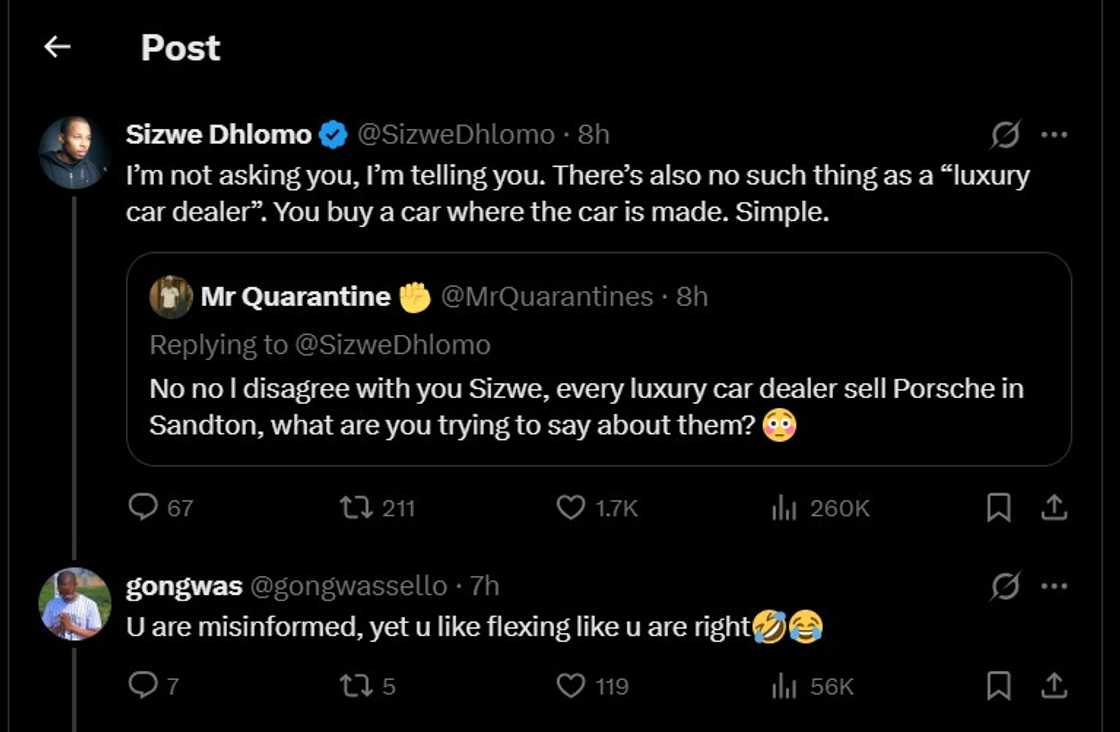
The exchange itself unfolded on social media, where Dhlomo is known for his outspoken and often unfiltered views. During the interaction, his response to a fan did not sit well with many users, who felt the tone and wording came across as dismissive and insensitive.
Screenshots began circulating almost immediately, pulling more people into the conversation. What may have started as a one-on-one disagreement quickly turned into a national talking point, with users dissecting every word and intention behind the response.
Public reaction: divided, but loud
South Africans did not hold back. Some users came out strongly against Dhlomo, labelling his comments as tone-deaf and calling him out for what they interpreted as mocking someone’s financial situation. Phrases like “out of touch” and “vile” began trending alongside his name.
At the same time, others pushed back against the criticism, arguing that social media users often provoke celebrities and then play victim when responses are sharp. For this group, Dhlomo’s reply was blunt, but not necessarily unjustified.
This split reaction reflects a broader cultural moment in South Africa’s online spaces, where conversations about class, respect, and accountability are becoming more visible and more heated.
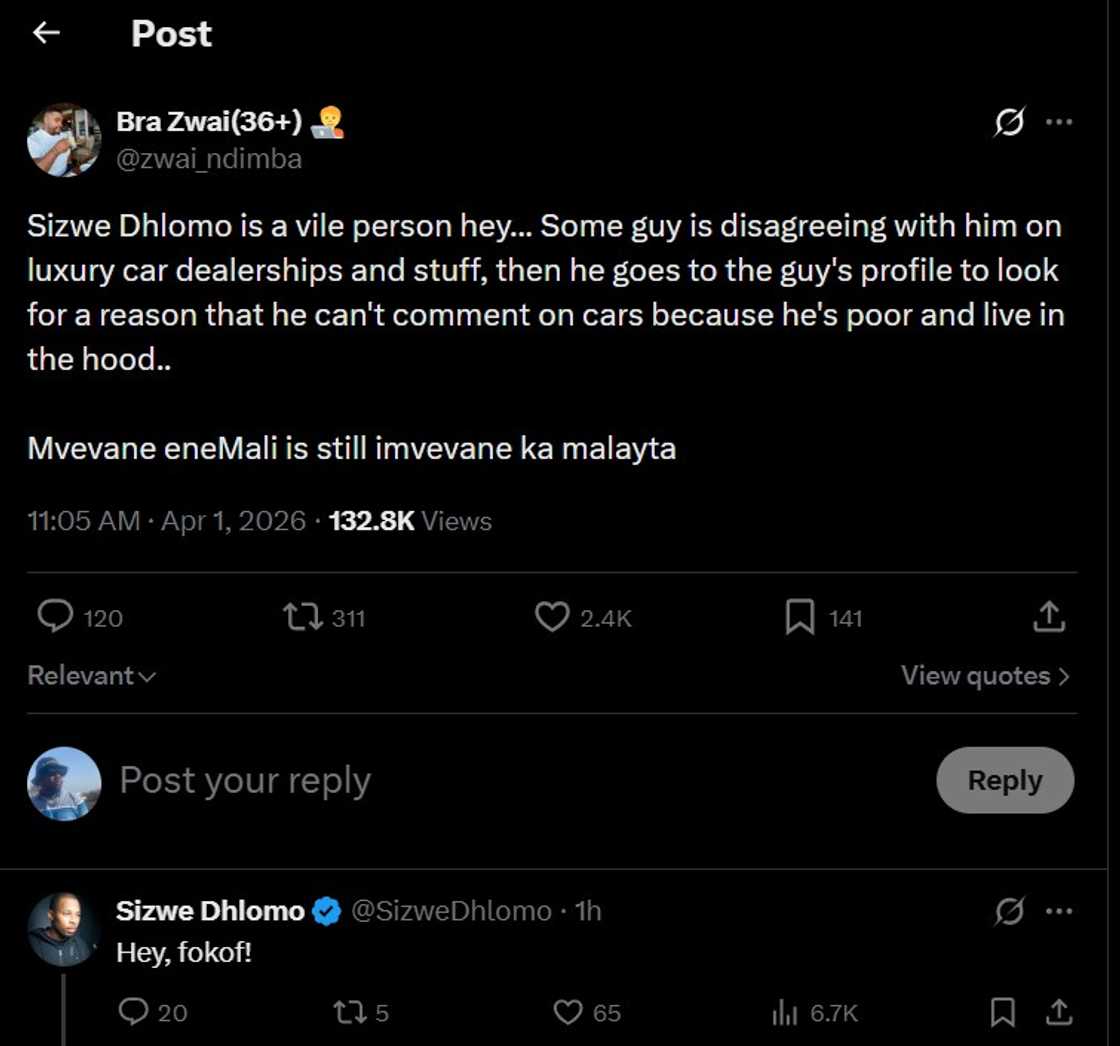
Sizwe Dhlomo is a vile person hey… Some guy is disagreeing with him on luxury car dealerships and stuff, then he goes to the guy's profile to look for a reason that he can't comment on cars because he's poor and live in the hood..
Mvevane eneMali is still imvevane ka malayta
— Bra Zwai(36+) 🧑💻 (@zwai_ndimba) April 1, 2026
Why it struck a nerve
In a country where economic inequality is a daily reality for millions, even a hint of class-based commentary can hit hard. Social media has become a space where these tensions play out in real time, often without the filters that traditional media once provided.
For many South Africans, the issue was not just about one comment. It tapped into a deeper sensitivity around how wealth, privilege, and public influence are expressed, especially by well-known figures.
Dhlomo, who has built a reputation as a confident and outspoken voice in local media, often leans into debate. That same boldness, however, can easily be interpreted differently depending on who is listening and what context they bring to the conversation.
The bigger picture
Celebrity culture in South Africa has shifted in recent years. Audiences are no longer passive fans; they are active participants, critics, and sometimes challengers. Social media has blurred the lines between public and private, turning everyday interactions into a public spectacle.
Moments like this are no longer isolated incidents. They form part of an ongoing conversation about how public figures engage with their audiences and where the boundaries should lie.
For Dhlomo, the controversy is just the latest reminder that every post, every reply, and every tone choice can carry weight far beyond the original conversation.
Also read: South African celebs share how they’re spending Easter weekend
Source: Briefly News
Featured Image: Daily News
Be the first to know – Join our WhatsApp channel for content worth tapping into. Click here to join!