It started as a simple online push from fans. Within hours, it turned into one of the most talked-about conversations in the country.
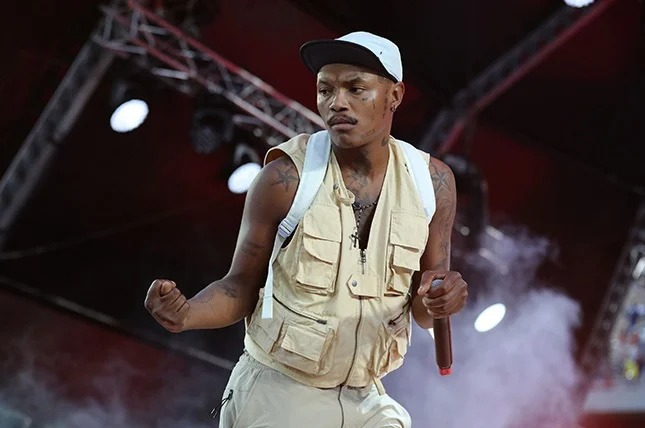
A petition calling for the release of popular Limpopo artist Shebeshxt has taken over social media timelines, but not in the way his supporters may have expected. Instead of quiet backing, it has triggered a loud, often emotional debate about accountability, celebrity culture, and where the line should be drawn.
Fans rally behind their favourite
Shebeshxt has built a loyal following over time, particularly among younger audiences who resonate with his raw, unfiltered persona and street-rooted sound. For many of his fans, the petition is about loyalty. It is about standing by someone they feel represents them and their lived experiences.
Supporters have been sharing the petition widely, urging others to sign and help secure his release. Some argue that public figures should not be abandoned in difficult moments, especially when they have a strong connection with their audience.
A country pushes back
But outside that fan base, the response has been far less sympathetic.
Across platforms, many South Africans have questioned the idea of using petitions to influence legal matters. The phrase “this is not BBMzansi” quickly began trending in conversations, with users drawing a sharp distinction between entertainment voting culture and the justice system.
For many, the issue is not about the artist himself but about principle. There is a growing sentiment that fame should not translate into special treatment, especially when legal processes are involved. Some users have expressed frustration that energy is being directed at petitions rather than allowing the law to take its course.
Shebe Maburna’s fans are challenging the law 🤣 pic.twitter.com/n6cVk2UiOk
— N’wa Mucanyi 🫶🏾 (@KhananiShingan1) March 26, 2026
Celebrity culture meets real-world consequences
This moment highlights something deeper about South Africa’s evolving digital culture. Fans today are more organised, more vocal, and more willing to mobilise around their favourite personalities. Petitions, hashtags, and viral campaigns have become powerful tools.
But this situation has also exposed the limits of that influence. While fan support can shape narratives, it does not override legal systems. The tension between online power and real-world consequences is becoming increasingly visible.
— Charlie (@CharlieExec) March 26, 2026
The bigger conversation
Beyond the noise, this debate is tapping into broader questions. What responsibility do public figures carry? Should fans defend their favourites at all costs? And where does loyalty end when serious issues are involved?
In a country where celebrity culture continues to grow rapidly, moments like this are shaping how audiences engage with fame. It is no longer just about music or entertainment. It is about values, accountability, and the kind of society people want to see.
For now, the petition remains active, and the conversation shows no signs of slowing down. Whether it leads to any real outcome is uncertain, but one thing is clear: South Africans are paying attention, and they are not all on the same page.
Also read: MaKhumalo shares how her marriage has affected her family
Source: Briefly News
Featured Image: News24
Be the first to know – Join our WhatsApp channel for content worth tapping into. Click here to join!