
Are Our Farms Harming Our Children? New Research Raises Alarming Questions About Pesticides in South Africa
South Africa’s farms feed the nation — and, in many ways, define it.
From the grape-laden valleys of the Western Cape to the family-run orchards that line rural backroads, agriculture is stitched tightly into our economy, traditions and identity.
We buy fruit that looks glossy, crisp and safe.
But behind the perfectly packed produce lies a lesser-known world, one filled with the chemicals we depend on to protect crops, and the invisible risks those chemicals may pose to the very children growing up around them.
A new study has dropped a heavy stone into this quiet pond.
A Local Study With Global Implications
Researchers from the University of Cape Town (UCT) and the Swiss Tropical and Public Health Institute have found early evidence that routine, low-level exposure to agricultural pesticides may be undermining children’s brain development.
The study, published in Environmental Research as part of the long-running CapSA project, followed 445 schoolchildren aged 9 to 16 across three farming hubs in the Western Cape:
-
Hex River Valley (table grapes)
-
Grabouw (pome fruit)
-
Piketberg (fruit orchards and wheat)
The data, collected between 2017 and 2019, paints a troubling picture. Twelve out of the thirteen pesticides tested were detected in the children — including well-known chemicals like chlorpyrifos, pyrethroids, mancozeb, hydroxy-tebuconazole and 2,4-D.
Most appeared in over 98% of children.
What’s more concerning is what these chemicals seem to be affecting:
the very brain functions responsible for learning, attention, emotional control and social behaviour.
What the Study Found and Why It Matters
According to lead author and UCT PhD candidate Paola Viglietti, higher levels of certain pesticides — including chlorpyrifos, profenfos and pyrethroids, were strongly associated with:
-
Lower cognitive flexibility
-
Poorer inhibitory control (the ability to focus and follow instructions)
-
Difficulty regulating behaviour
These findings echo growing international evidence from respected institutions like The Lancet Neurology and the U.S. National Institutes of Health.
Children’s brains go through intense growth, pruning and restructuring during childhood and adolescence. Even minimal exposure to neurotoxic chemicals during these periods can have lasting effects.
And unlike adults, children are exposed in multiple ways most of us never consider:
-
Dust inside the home
-
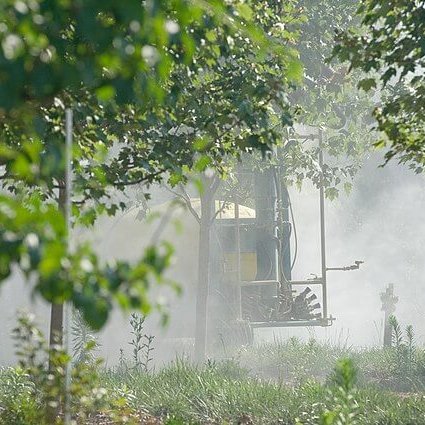
Pesticide drift from fields
-
Contaminated food or water
-
Playing outdoors in treated soil
-
Higher hand-to-mouth contact
-
Breathing more air relative to their small bodies
As Viglietti puts it, this is the age when the brain is “most vulnerable”.
South Africa’s Unique Pesticide Problem
While South Africa’s farming sector is celebrated globally, it comes with a heavy caveat:
we use more pesticides than any other country in Sub-Saharan Africa.
With over 3,000 registered formulations, many known to affect hormones or nerve function, the risks are amplified in rural communities where:
-
Protective infrastructure is limited
-
Homes sit close to farmlands
-
Oversight and enforcement are often weak
-
Children spend more time outdoors
A 2017 Western Cape case study found that some farms used up to 96 different active ingredients in a single season.
To make matters worse, most scientific data on pesticide neurotoxicity comes from wealthier countries, despite African children often facing significantly higher exposure.
Professors Aqiel Dalvie (UCT) and Martin Röösli (University of Basel) emphasise an important point:
Pesticide exposure is a modifiable risk.
In other words — this is not inevitable. It can be changed.
The Human Side: What Communities Are Saying
As news of the study spread, social media filled with worried parents, many from farming towns themselves:
“We live right next to the orchards in Grabouw. My children wake up to the smell of spray trucks. This is terrifying.” – Twitter/X user
“Farmworker kids deserve the same protections as kids in the suburbs.” – Facebook comment
“This isn’t anti-farming. It’s pro-child.” – Instagram parent blogger
Community WhatsApp groups in the Hex River Valley have also reportedly been sharing photos of spray planes flying close to homes, reigniting old fears about exposure.
A Bigger Question for South Africa
This research doesn’t attack farmers, it highlights a system that places families, especially children, at risk.
South Africa’s agricultural strength is essential.
But so is the cognitive, emotional and developmental well-being of the next generation.
If these early effects ripple into adulthood, we may be looking at long-term consequences for:
-
Learning outcomes
-
Workforce readiness
-
Emotional health
-
Social stability
The study is a wake-up call — not only to policymakers, but to every South African who cares about the food we grow and the children who grow up feeding the nation.
Where to From Here?
What we do now matters.
Researchers say this isn’t a hopeless situation. Exposure can be reduced with:
-
Stronger enforcement
-
Buffer zones around schools and homes
-
Better protective gear for farmworkers
-
Community awareness
-
Updated pesticide regulations
-
Investment in safer alternatives
For now, the CapSA team continues its work and this story is far from over.
Source: IOL
Featured Image: X{@TheNatureFund}